
Een waterput met raderwerk en trekezel — History & Facts
What if silence could speak through light? In the quiet embrace of this artwork, the interplay of shadow and illumination whispers the story of creation itself. Look to the left at the intricate wheelwork, where gears and levers are rendered with precise detail. The soft glow highlights the craftsmanship, revealing both the functionality and beauty of this humble water well. Notice how the earthy tones ground the piece, while a hint of luminous white dances across the surface, suggesting the presence of sunlight, glistening upon the mechanisms in motion. Amidst the stillness, there is a profound tension between the industriousness of human invention and the serenity of nature.
The well, a symbol of sustenance and life, contrasts with the engineered structure surrounding it, evoking a dialogue between the natural and the artificial. Each element speaks to the delicate balance of creation, illustrating how human hands shape the world while also being shaped by it. Otto Howen painted this piece during a time when the Industrial Revolution was reshaping landscapes and lives. Although the exact date of creation remains unknown, his work reflects a period ripe with innovation and transformation in the art world, where the merging of technology and landscape began to challenge traditional forms.
Howen’s focus on such machinery encapsulates both the promise and peril of progress, an echo of his contemporary milieu.
More Artworks by Otto Howen
Browse all →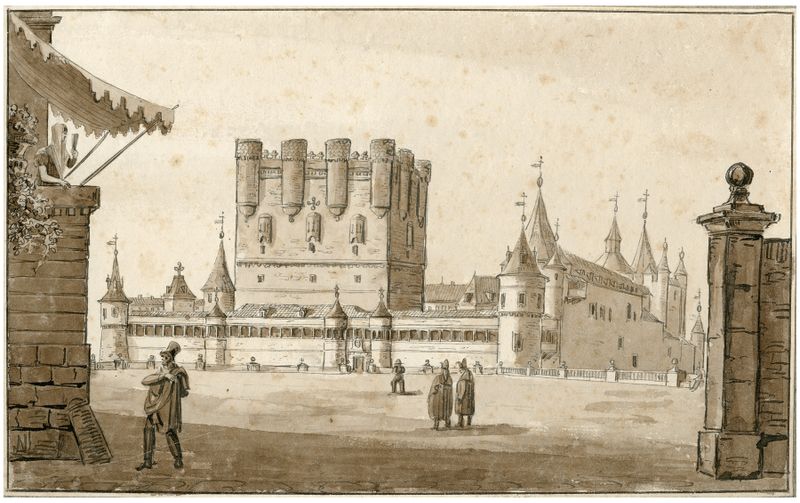
Het Alcazar te Segovia
Otto Howen
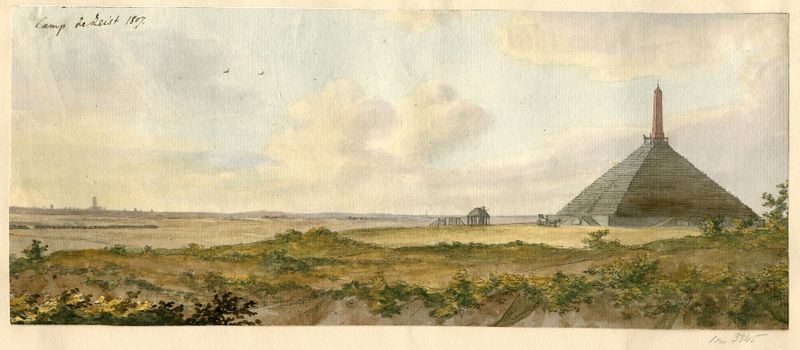
De piramide van Austerlitz bij Zeist
Otto Howen
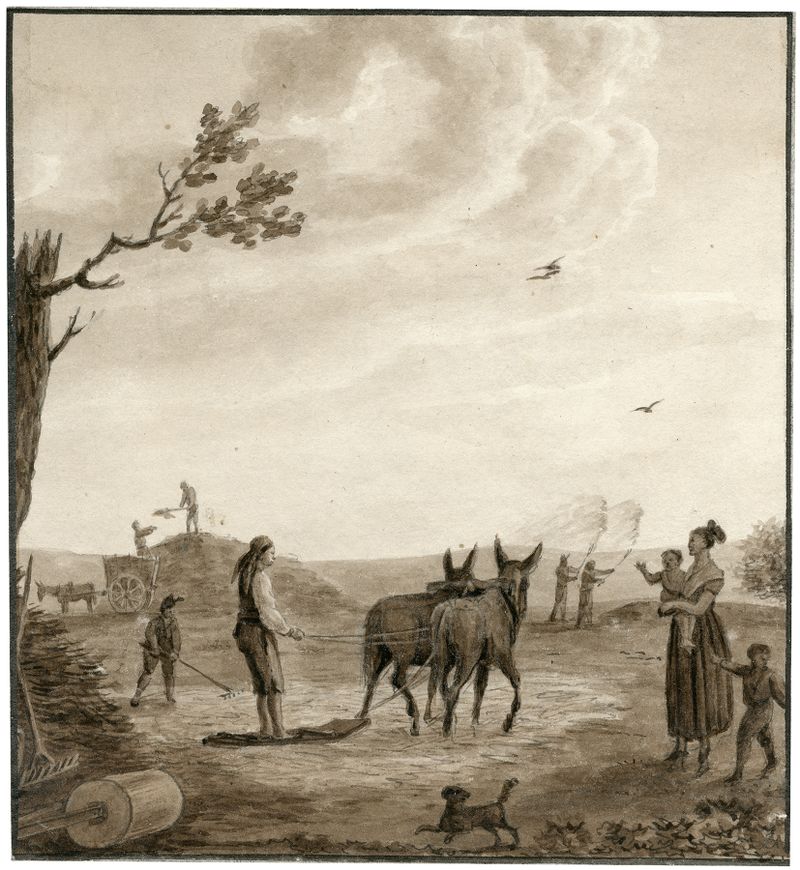
Het dorsen van het graan
Otto Howen
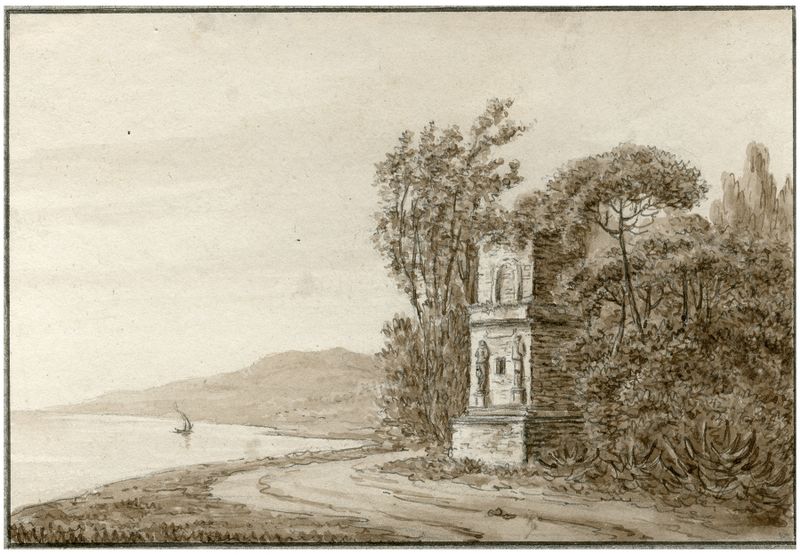
Een antiek monument in de omgeving van Taragone
Otto Howen
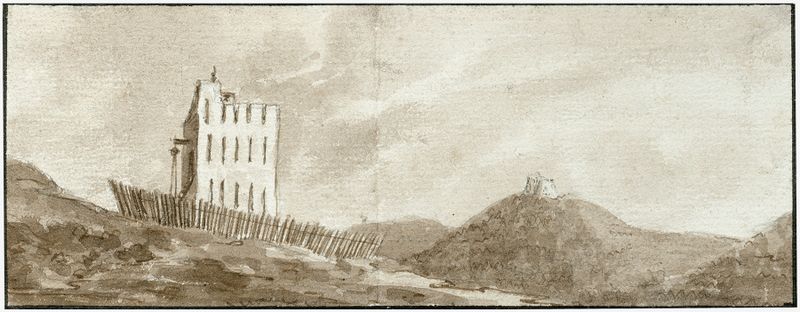
Gezicht in de omgeving van Gerona
Otto Howen
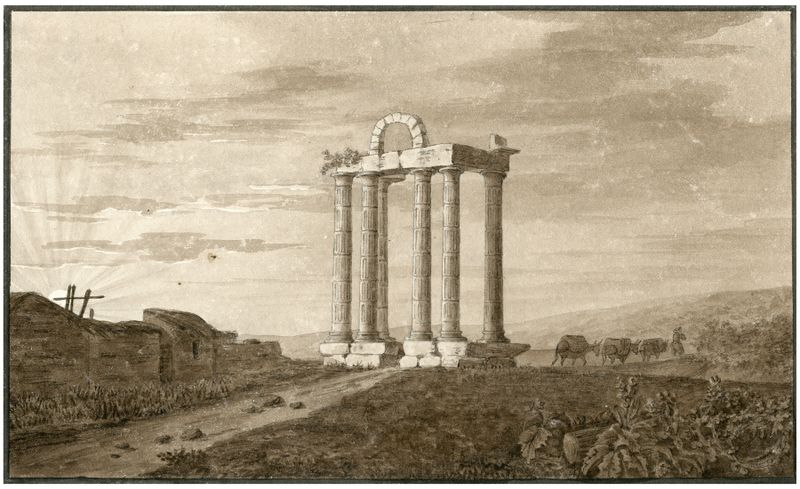
Antieke Ruïnes bij Talavera in Castillie
Otto Howen
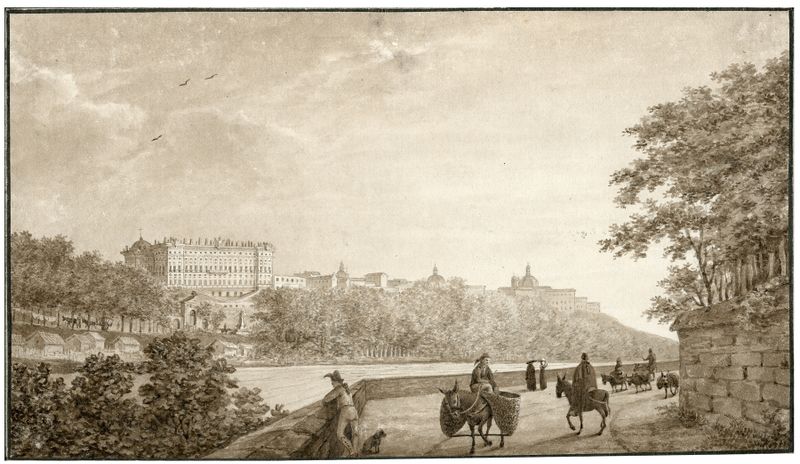
Het Koninklijke Paleis te Madrid
Otto Howen
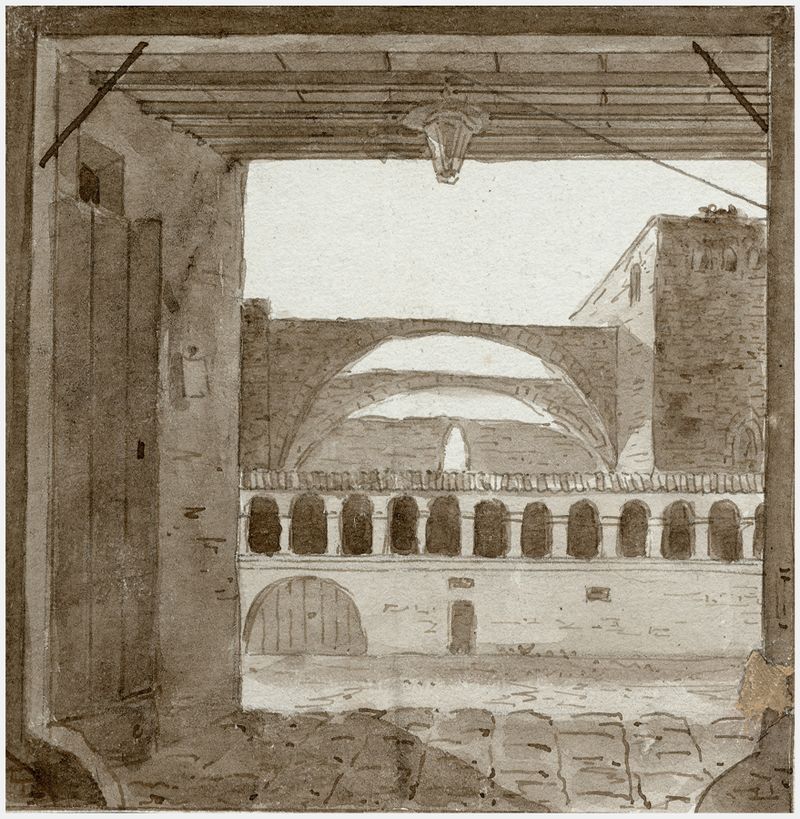
Ruïne van een klooster te Barcelona
Otto Howen
Een havenplaats in Spanje, Port de Passage
Otto Howen
Een landhuis in de omgeving van Madrid
Otto Howen





