
Saanum, Mandal — History & Facts
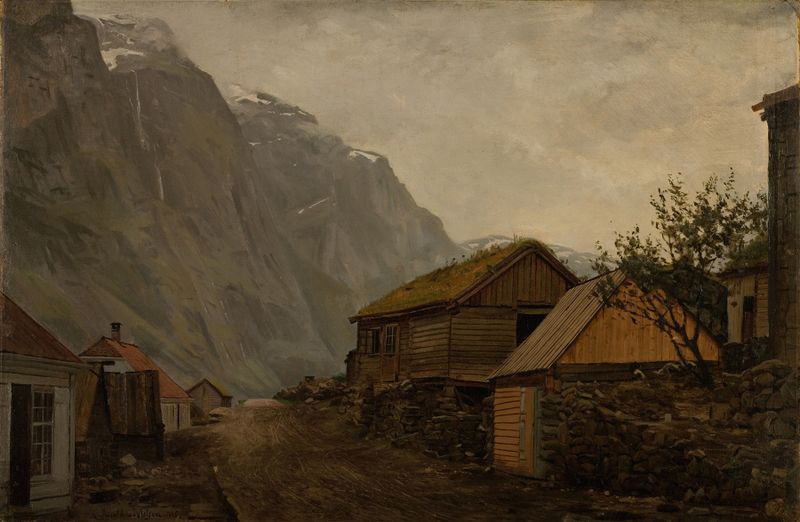
Could a single brushstroke hold eternity? In Saanum, the ephemeral beauty of mortality is captured with a poignancy that lingers long after one has stepped away. Look closely at the horizon where the soft, muted colors blend seamlessly, creating an almost dreamlike atmosphere. The gentle brushstrokes render the landscape in a way that feels both alive and fleeting, inviting you to explore the nuances of light and shadow. Notice how the sky, a cascade of blues and grays, envelops the earth below, casting a serene yet somber veil over the distant mountains.
The careful composition draws your eyes toward the interplay of nature and the human experience, suggesting a deeper connection beyond mere representation. Delve deeper into the contrasts that emerge within this tranquil scene. The lush greenery at the forefront, vibrant yet fading, speaks to the inevitable passage of time, while the distant mountains loom like steadfast reminders of permanence amid the transitory. Each element in the painting reveals both beauty and fragility, evoking a complex emotional landscape where joy and sorrow coexist.
What lies beneath this serene exterior is a meditation on existence itself — a reminder that all things must inevitably change. In 1858, Amaldus Nielsen was navigating the vibrant art scene of the Romantic period, a time characterized by a fascination with nature and individual emotion. Working in Norway, he embraced the natural world around him, reflecting both personal and collective feelings of longing and introspection prevalent in the era. Saanum stands as a testament to this exploration, capturing the tension between the ephemeral and the eternal within the canvas.
More Artworks by Amaldus Nielsen
Browse all →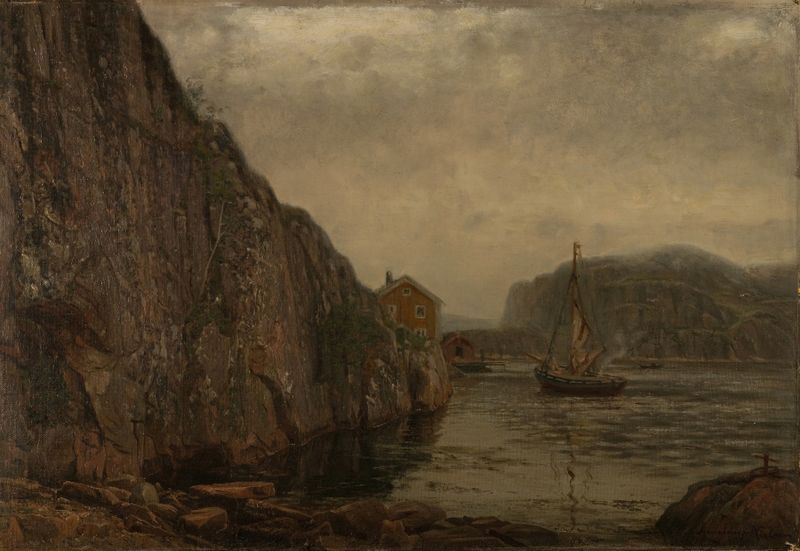
Skjærgård, Ny-Hellesund
Amaldus Nielsen
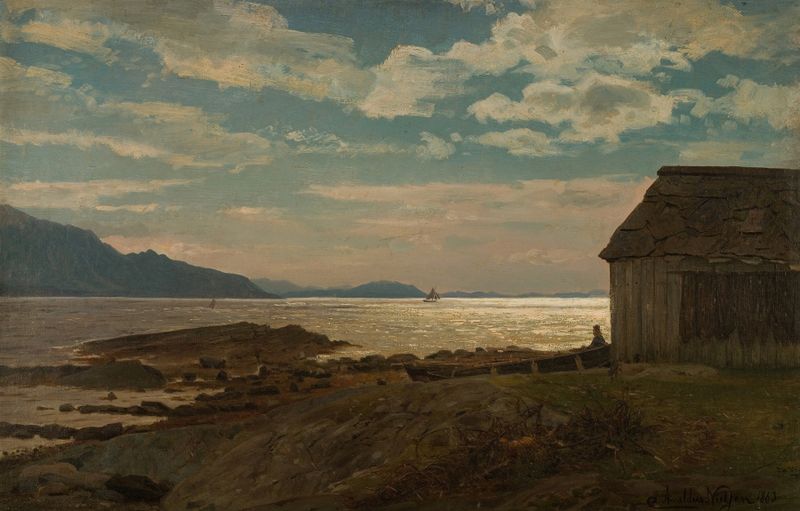
Fra Ølvestranden, Hardanger
Amaldus Nielsen
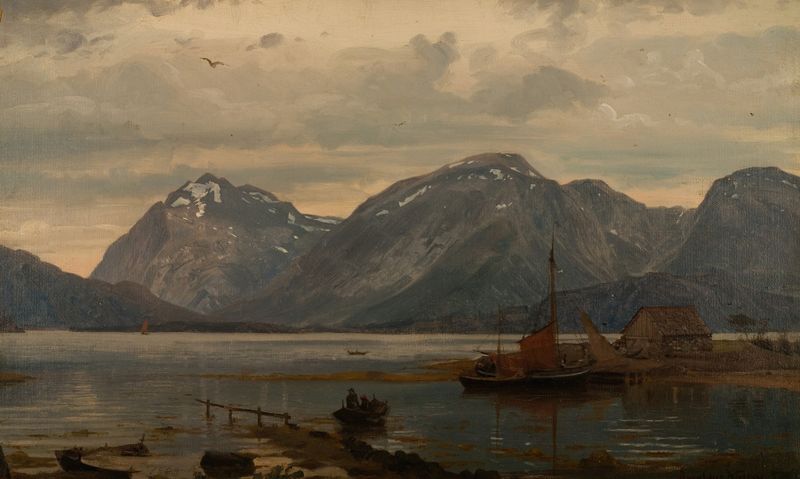
Fra Englafjellene, Hardanger
Amaldus Nielsen
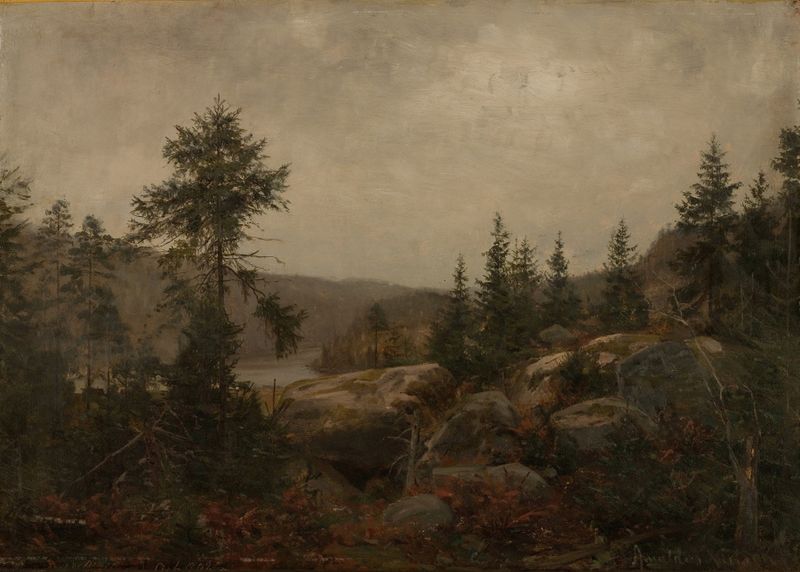
Duskregn . Gården Foss, Mandalselven
Amaldus Nielsen
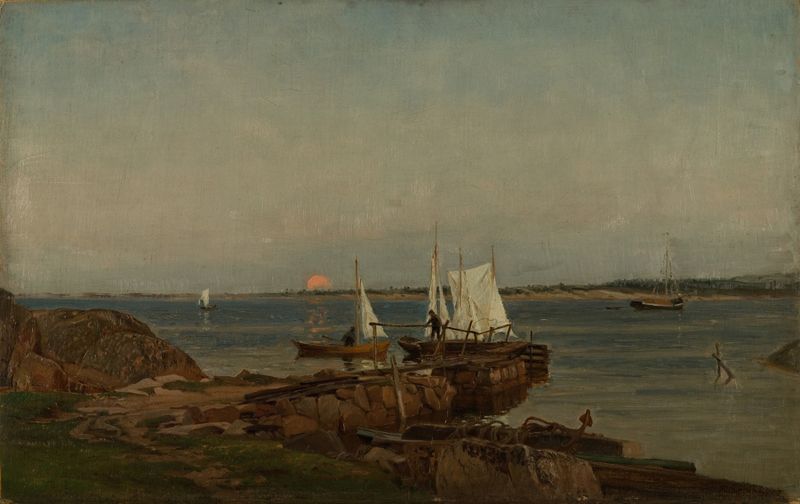
Sommernatt, Hvaler
Amaldus Nielsen
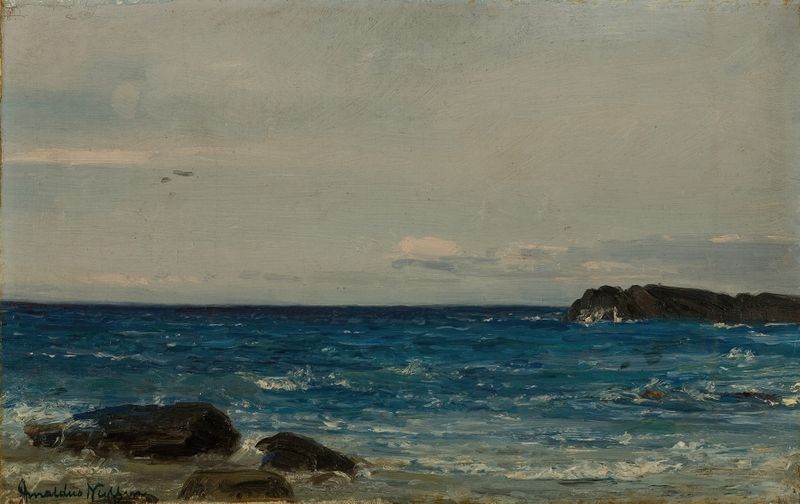
Fra Jæren
Amaldus Nielsen
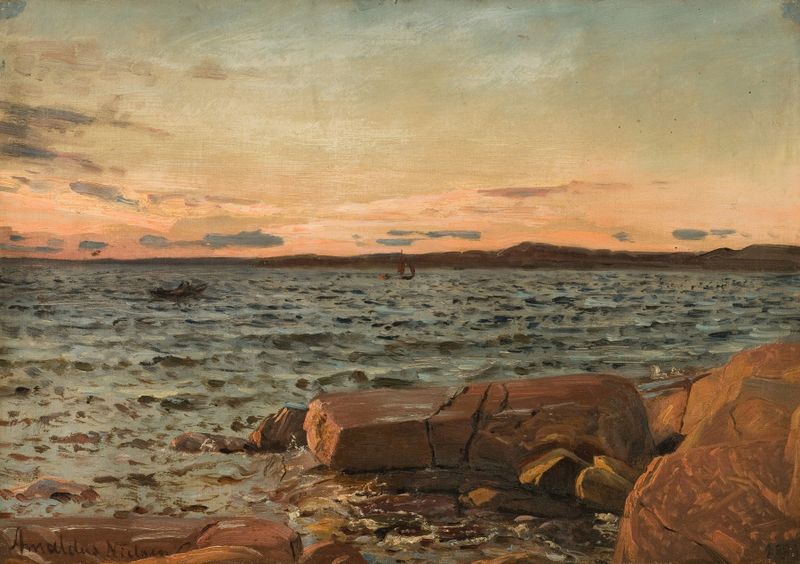
Solgangsvind, Hvaløene
Amaldus Nielsen
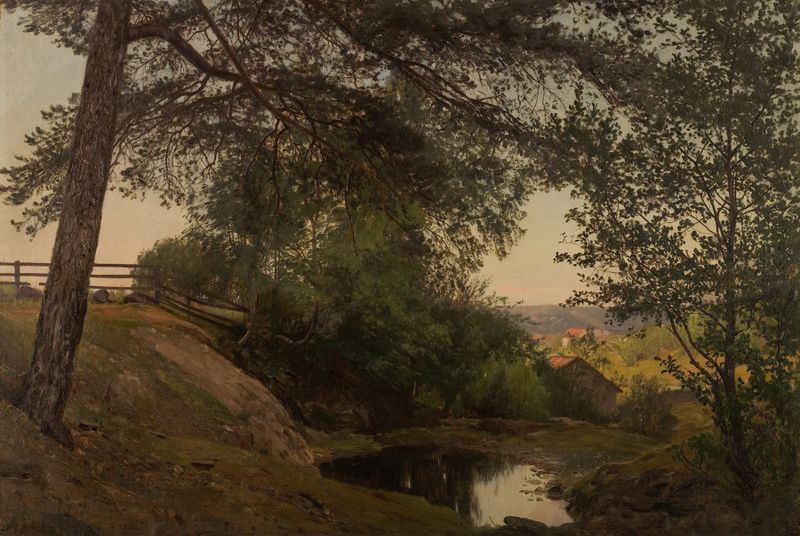
Mellom trærne. Lervik, Stord
Amaldus Nielsen

Båtbyggeri, Lillesand
Amaldus Nielsen
Regnstemning, Gudvangen
Amaldus Nielsen





