Saint Catherine’s Hill, Guildford, Surrey — History & Analysis
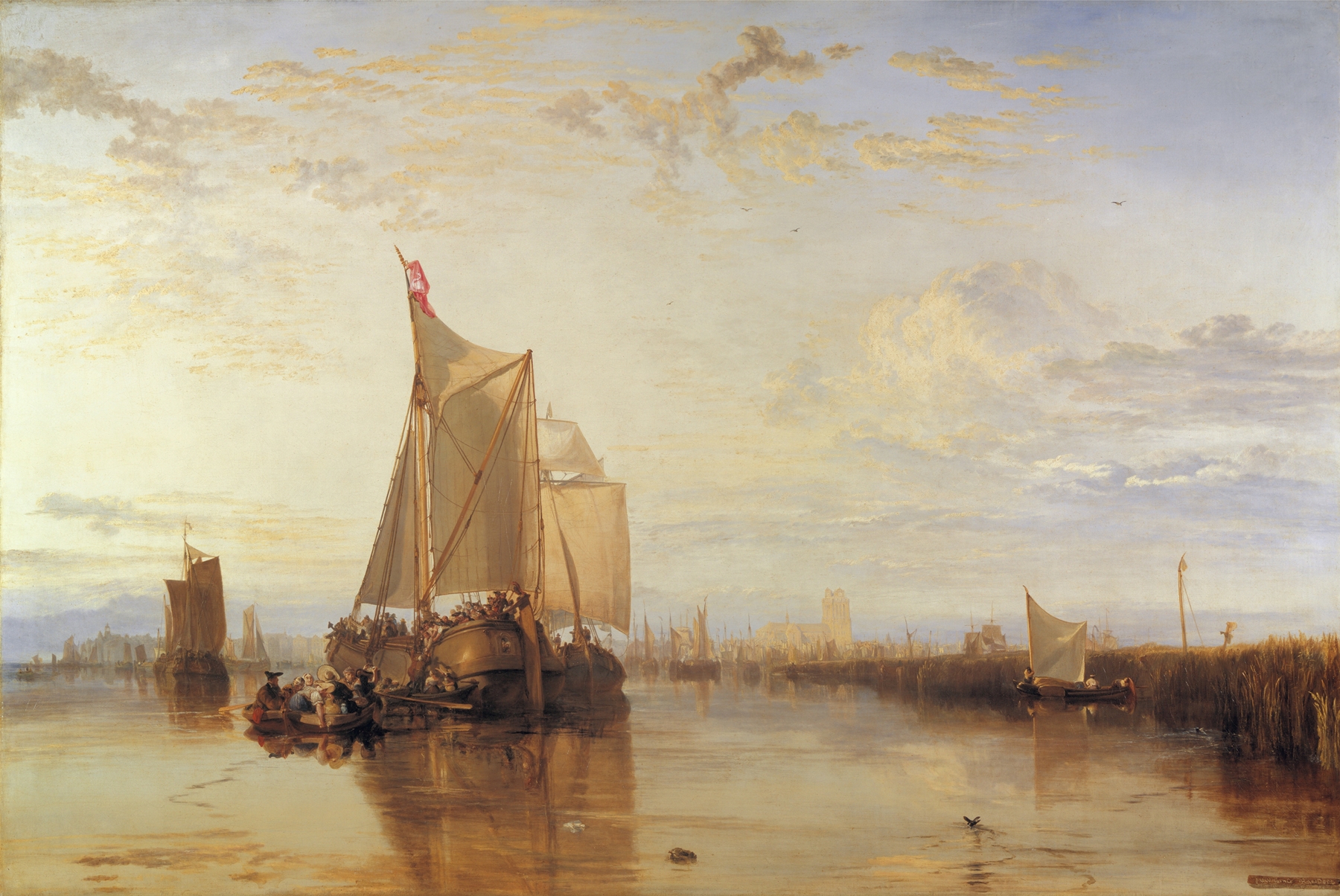
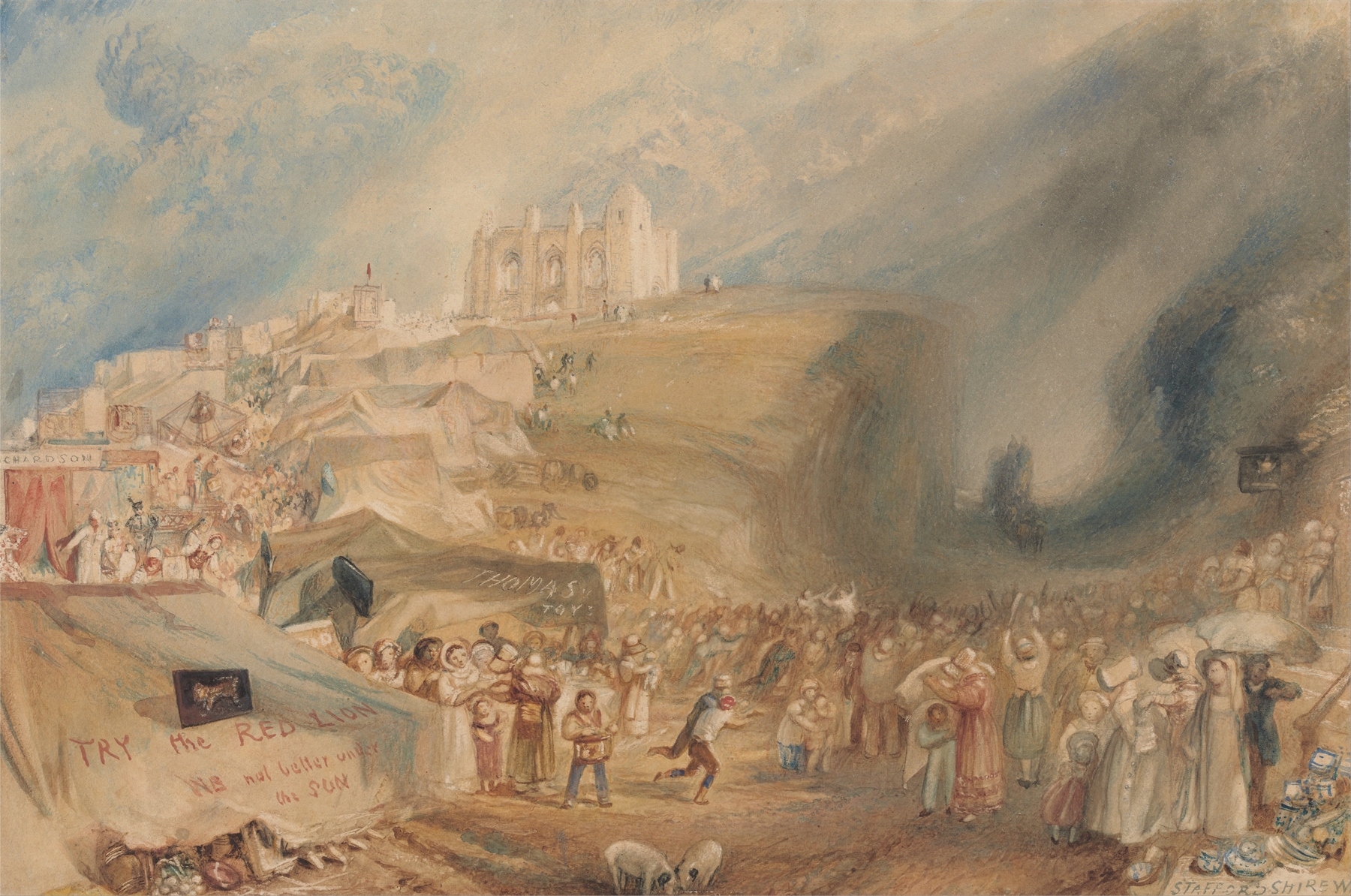
Did the painter know this moment would outlive them? As time ebbs and flows, we become spectators of captured moments — each brushstroke a whisper from the past. Focus on the sweeping landscape that unfurls beneath the artist’s touch, where the vibrant greens of the foreground dapples into the soft hues of distant hills. Notice how the light dances across the canvas, illuminating the interplay of shadow and warmth, urging you to explore the depth within the scene. The composition is a masterclass in balance, with a foreground filled with rustic charm leading the eye to the majestic rise of Saint Catherine’s Hill, its gentle incline receding into the ethereal sky, painted with a palette of luminous blues and gilded golds. Delve deeper into the emotional landscapes hidden within this piece. The tranquil yet dynamic horizon hints at an enduring connection between humanity and nature, suggesting both the passage of time and the unchanging beauty of the world. The juxtaposition of the serene hills against the restless sky evokes a sense of transience; a reminder that what is seen may soon fade, yet remains eternally etched in memory. The gentle curves of the land cradle a silent story, one of peace and contemplation, inviting viewers to reflect on their own journeys. In 1830, Turner painted this work amidst a phase of personal and artistic transition. His innovative techniques were gaining recognition amidst the shifting tides of Romanticism, as he sought to capture the sublime. The era was marked by a growing fascination with nature’s impermanence, mirroring a world in flux, thus grounding the timelessness of *Saint Catherine’s Hill* in both the artist’s life and the broader context of art history.