
Saint Mammès — History & Facts
When did color learn to lie? This question reverberates through the mellowness of Saint Mammès, a canvas steeped in the heart of nostalgia and melancholy. The hues whisper secrets of time, inviting the viewer to ponder the essence of memory and the passage of life through the veil of paint. Look to the left at the soft, swirling blues that blanket the sky, merging seamlessly with the gentle greens of the landscape below. The brushstrokes are fluid yet deliberate, guiding your gaze toward the serene river that flows beneath the arching trees.
Notice how the light plays upon the water's surface, a delicate shimmer that captures the essence of fleeting moments, evoking a sense of tranquility amidst the weight of time's passage. The emotional tension lies in the juxtaposition of the idyllic scenery and the underlying sense of loss. Each stroke seems to linger with a heavy nostalgia, embodying the dichotomy between beauty and transience. The figures, small and distant, evoke a sense of solitude; they are part of the landscape yet distinctly separate from it, echoing the quiet melancholy that infuses the work.
This interplay of presence and absence invites reflection on the nature of human experience. Alfred Sisley created Saint Mammès in 1885 while residing in France, a time marked by his deep connection to the Impressionist movement. Living in the shadow of his more famous contemporaries, Sisley remained committed to capturing the beauty of the natural world with evocative colors and light. The painting reflects his evolving style, solidifying his reputation as a master of landscape, while also hinting at the personal challenges and artistic struggles he faced during this period.
More Artworks by Alfred Sisley
Browse all →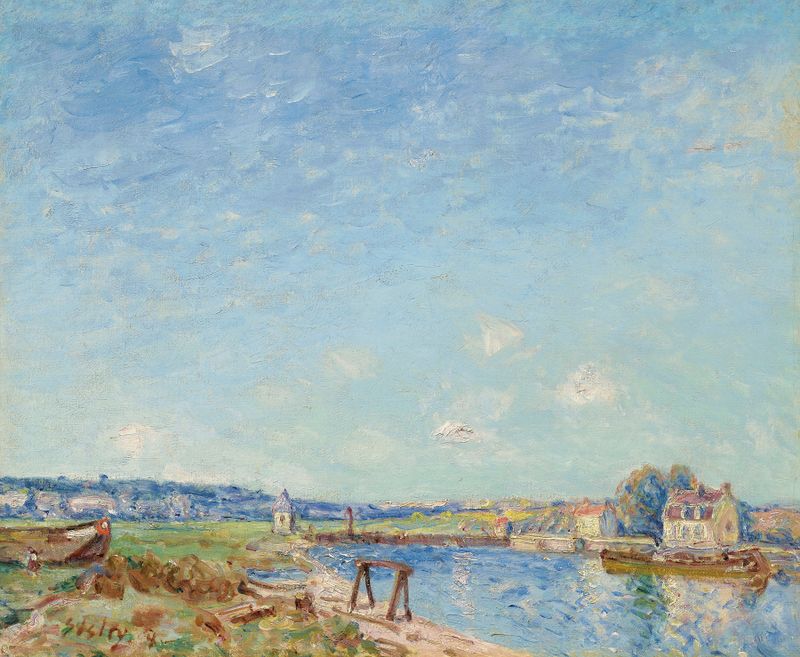
Le Loing à Saint-Mammès
Alfred Sisley
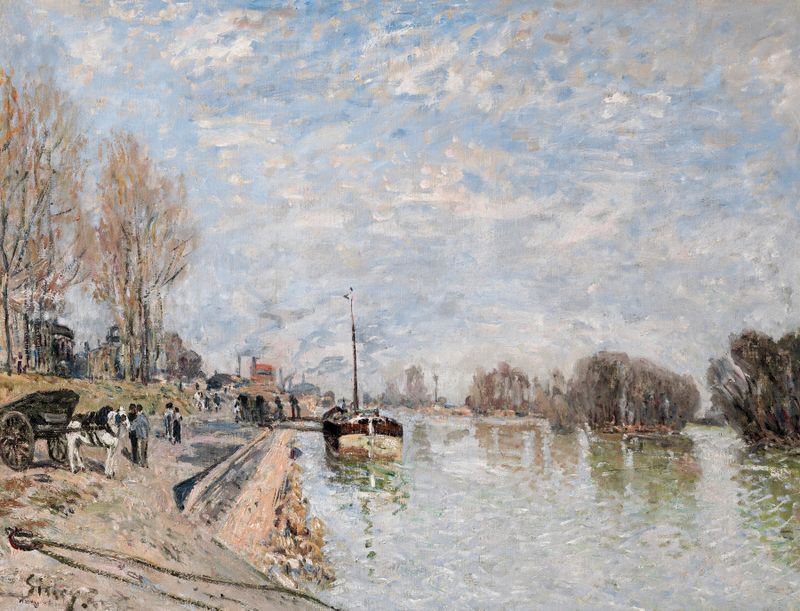
La Seine à Suresnes
Alfred Sisley
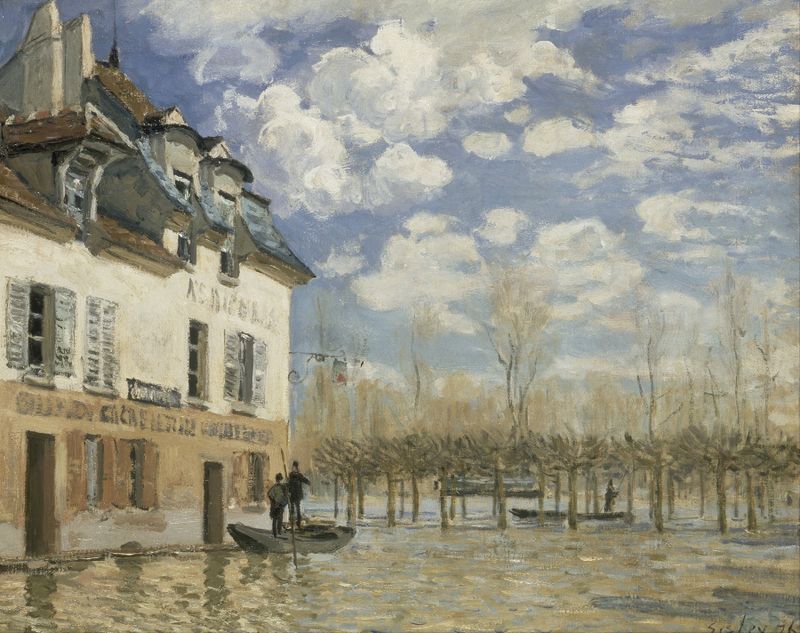
Boat in the Flood at Port Marly
Alfred Sisley
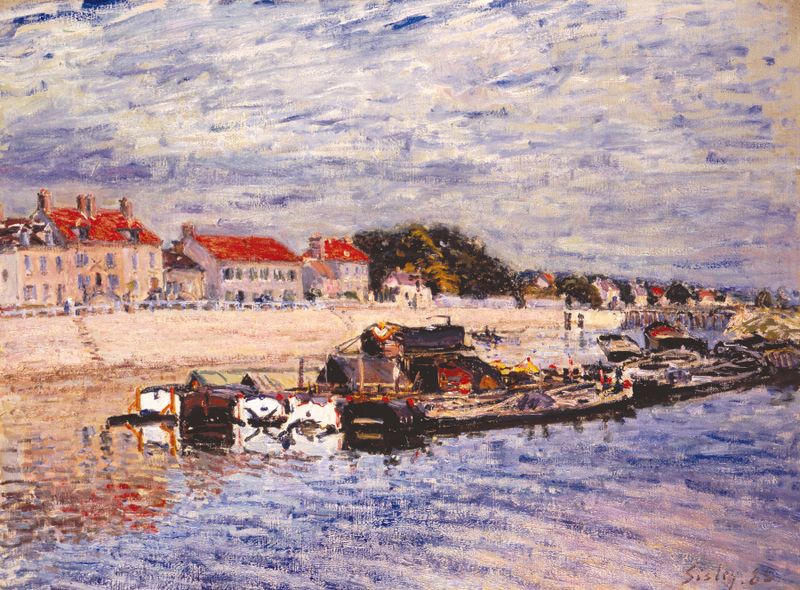
Barges on the Loing at Saint-Mammès
Alfred Sisley

L’allée des peupliers au bord du Loing
Alfred Sisley

Molesey Weir, Hampton Court
Alfred Sisley
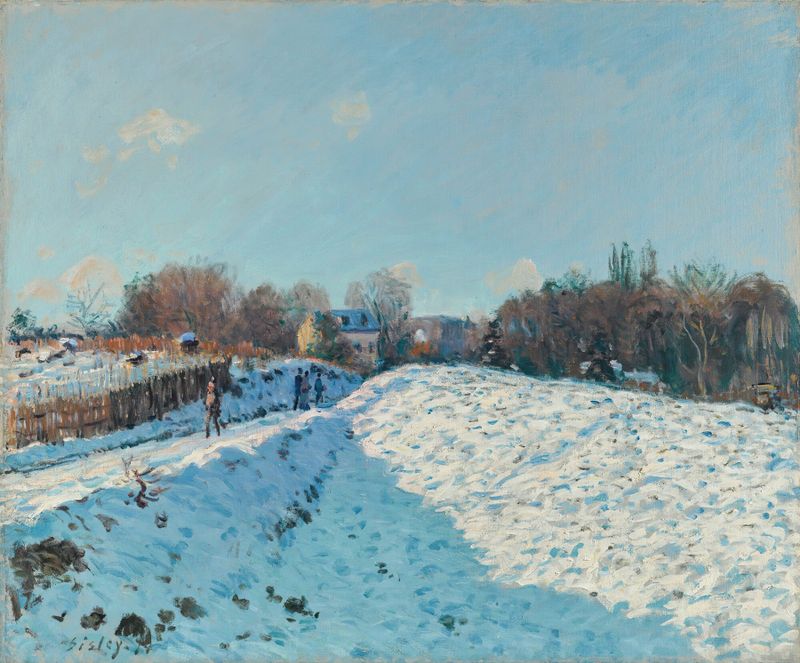
Effet De Neige À Louveciennes
Alfred Sisley
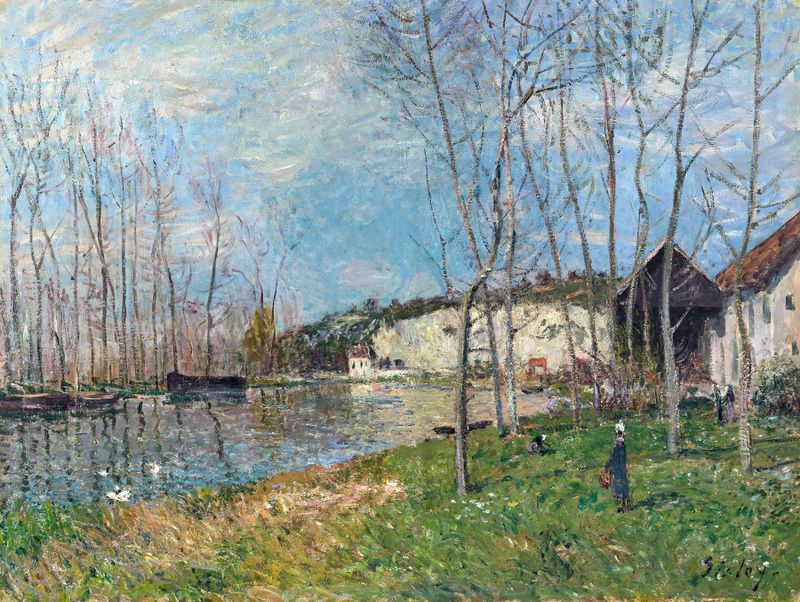
Printemps au bord du Loing
Alfred Sisley
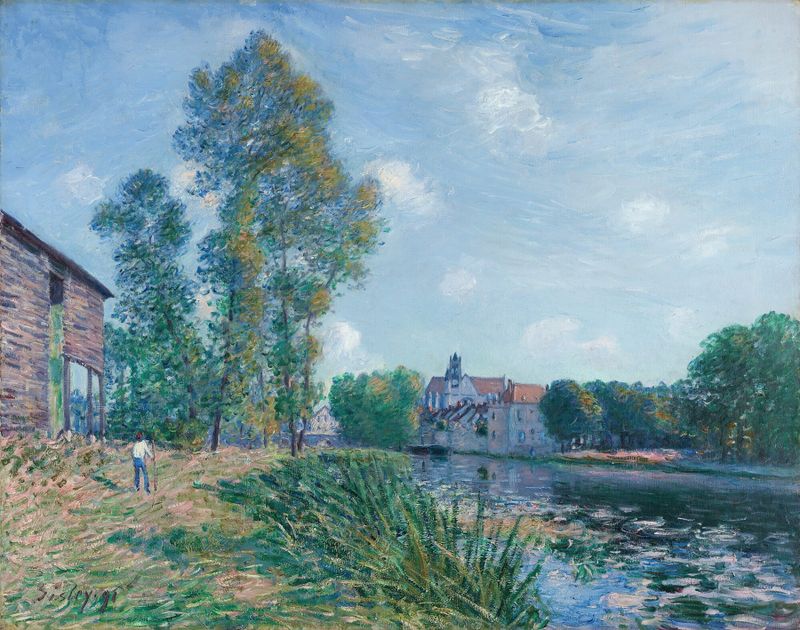
Le Loing À Moret, En Été
Alfred Sisley
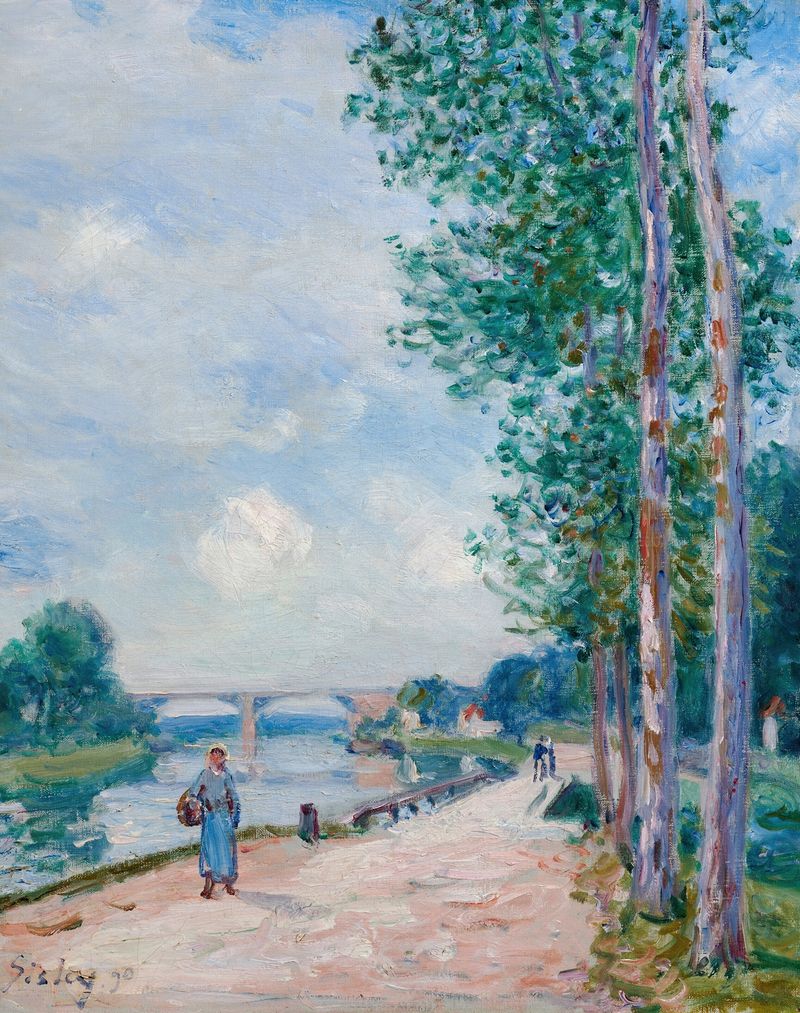
Les bords du Loing près de Moret
Alfred Sisley





