
Saint Mark’s Square, Venice — History & Facts
Did the painter know this moment would outlive them? The shimmering light over Saint Mark's Square seems to whisper secrets of time, capturing the essence of a fleeting experience that transcends the canvas. Look to the left at the delicate architecture of the basilica, its intricate details illuminated by the soft glow of an early evening sun. The warm palette of golds and soft blues invites your gaze to linger on the interplay of shadows and light as they dance across the cobblestones, where patrons bustle and pigeons flutter. The composition draws the eye toward the grand façade, framed perfectly by the silhouettes of figures, hinting at a vibrant life that pulses within the square. Yet, beneath this lively surface lies a profound stillness, a juxtaposition of social vibrancy and inevitable solitude.
The way the light caresses the architecture reveals not just the beauty of the moment but also an ephemeral nature—each stroke of paint a reminder that, while the square is alive, the passage of time remains ever-present. Look closely, and you may see a solitary figure, slightly apart from the crowd, embodying both connection and isolation. In 1898, Federico del Campo painted this scene while living in Venice, a city at the height of artistic exploration and cultural fusion. The world around him was changing, with rapid industrialization and modernity juxtaposed against this timeless locale.
As he captured this intersection of life and light, del Campo contributed to the legacy of Impressionism, reflecting not just the beauty around him, but the deeper truths of existence.
More Artworks by Federico del Campo
Browse all →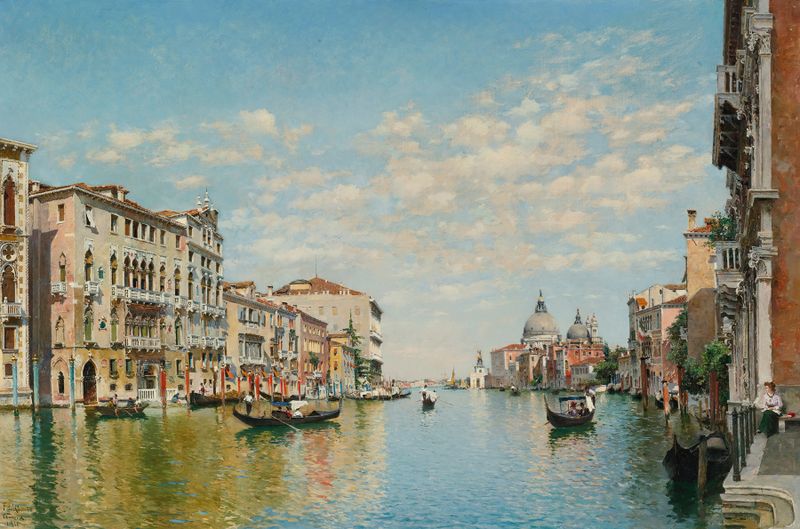
Gondoliers On The Grand Canal, Venice
Federico del Campo
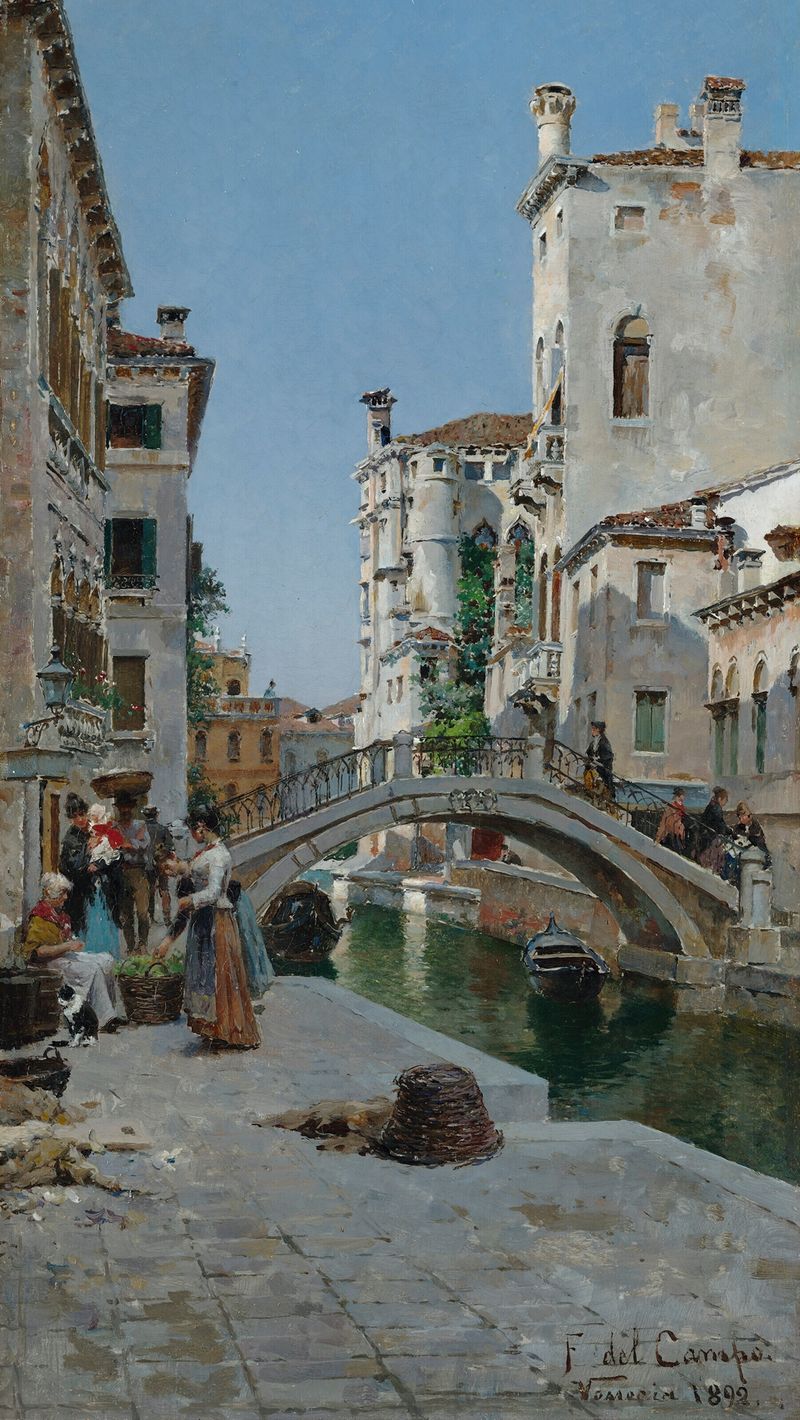
View of Venice
Federico del Campo
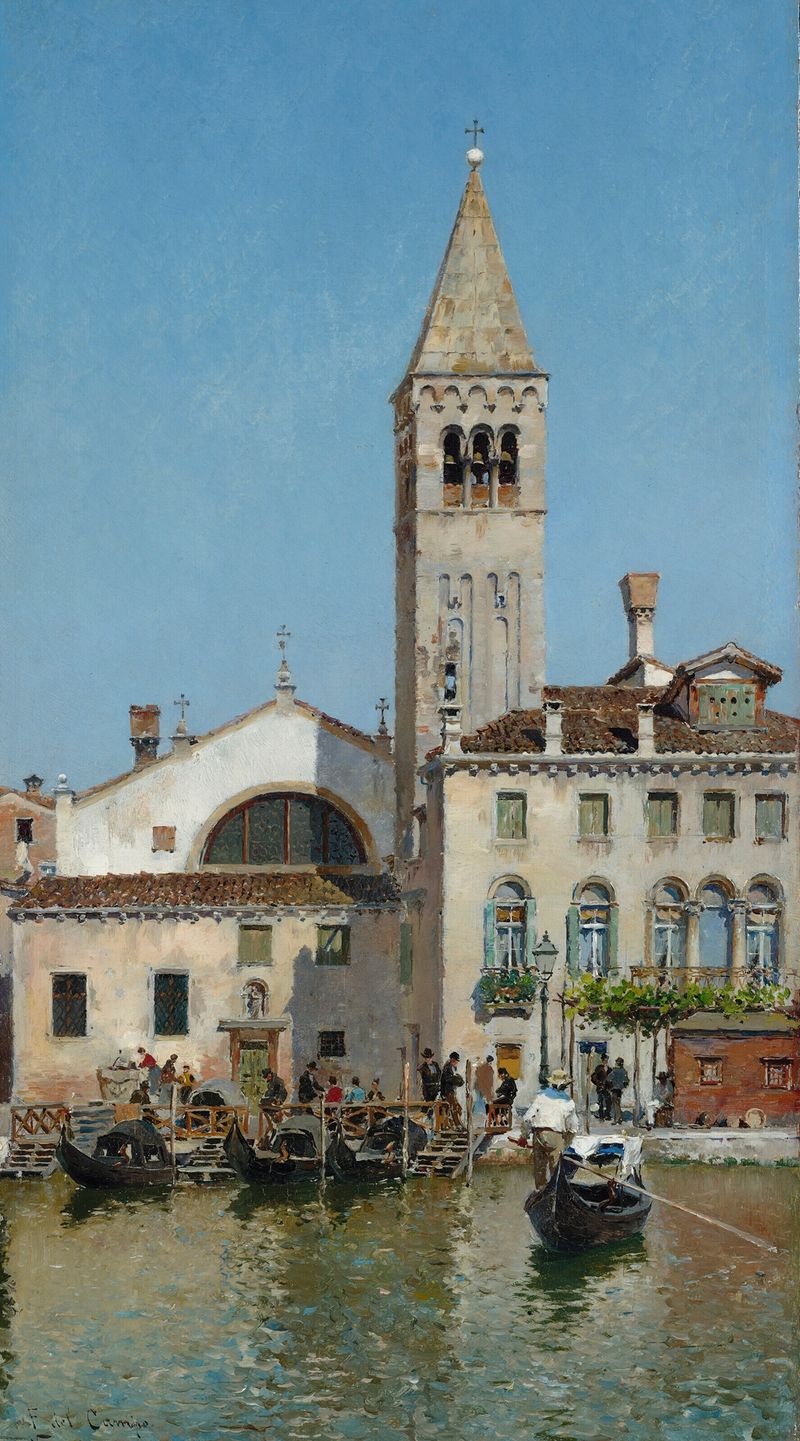
View of Venice
Federico del Campo
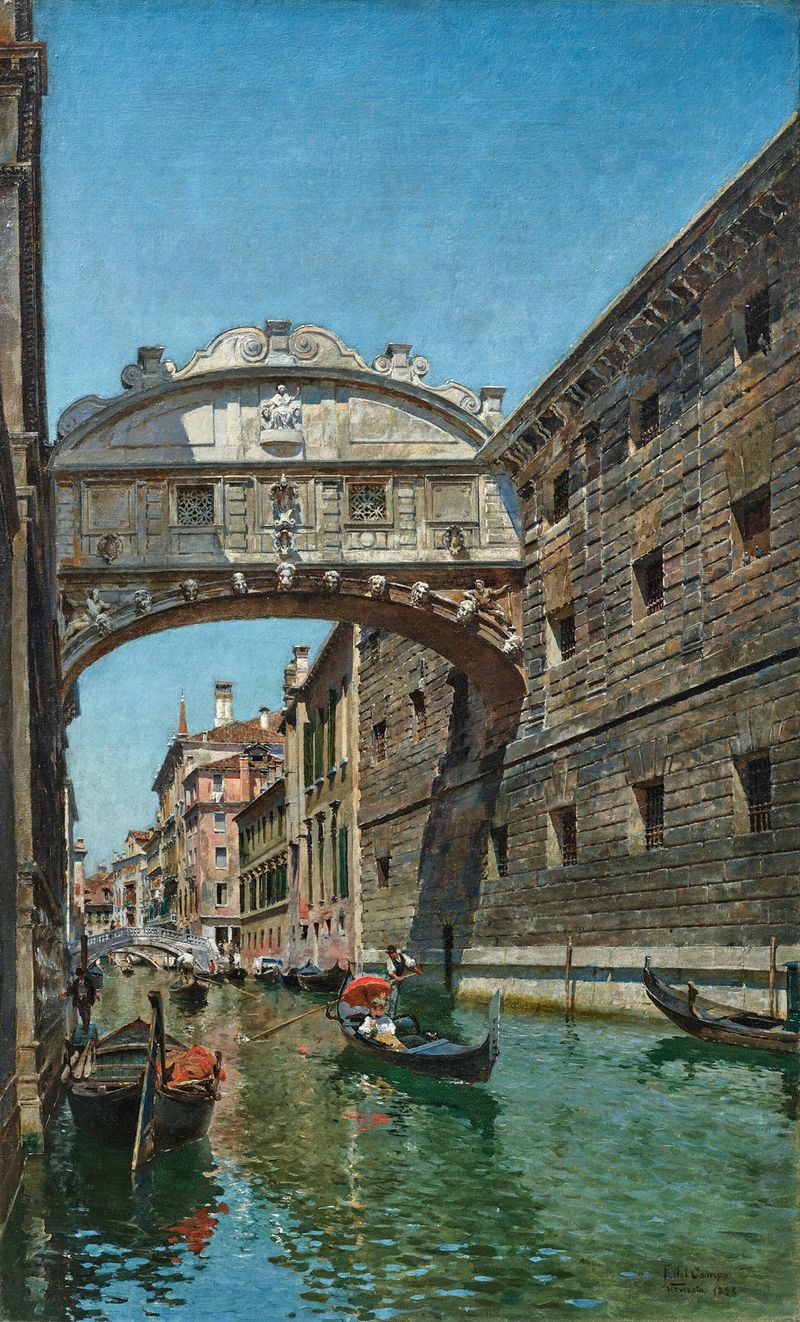
Il Ponte dei Sospiri
Federico del Campo
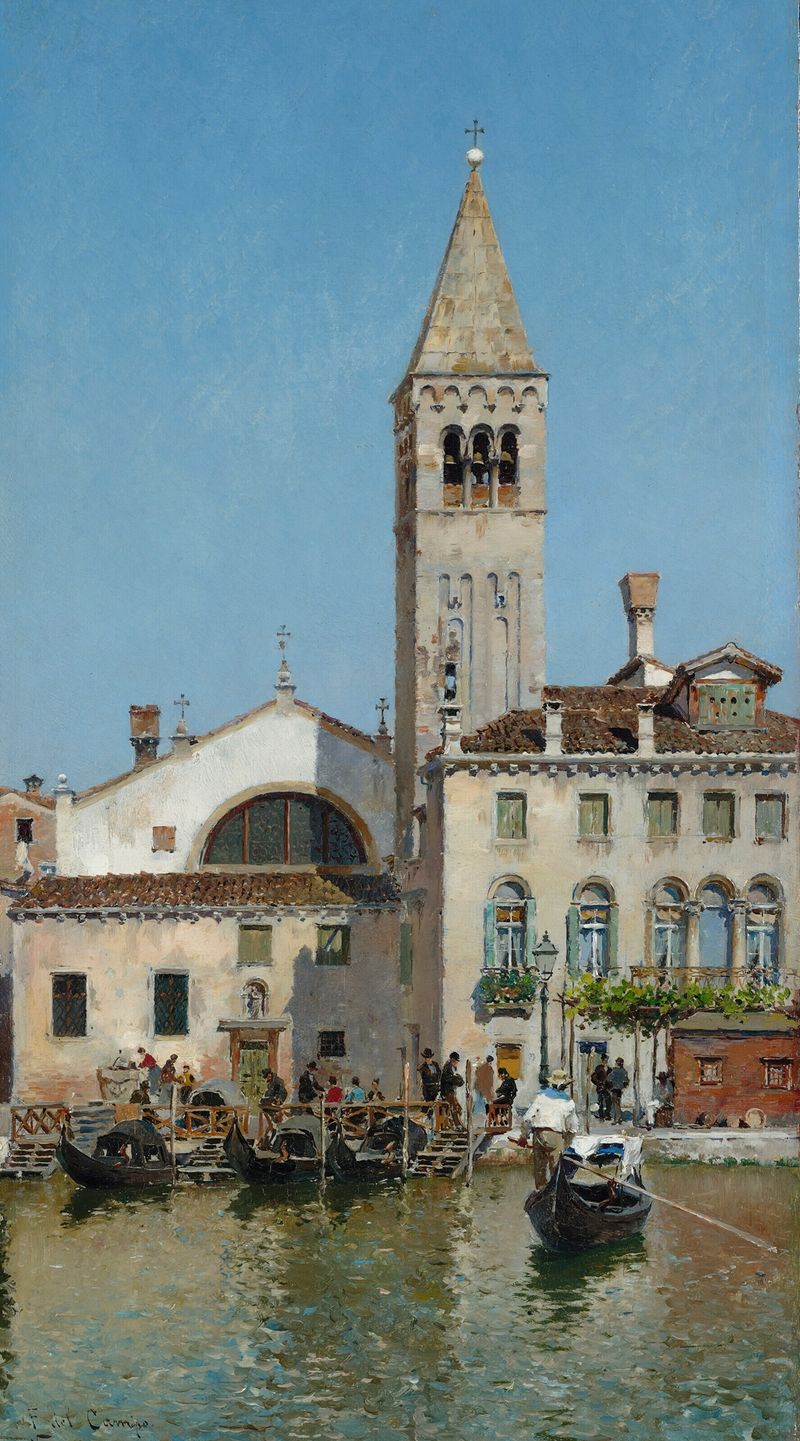
View of Venice
Federico del Campo
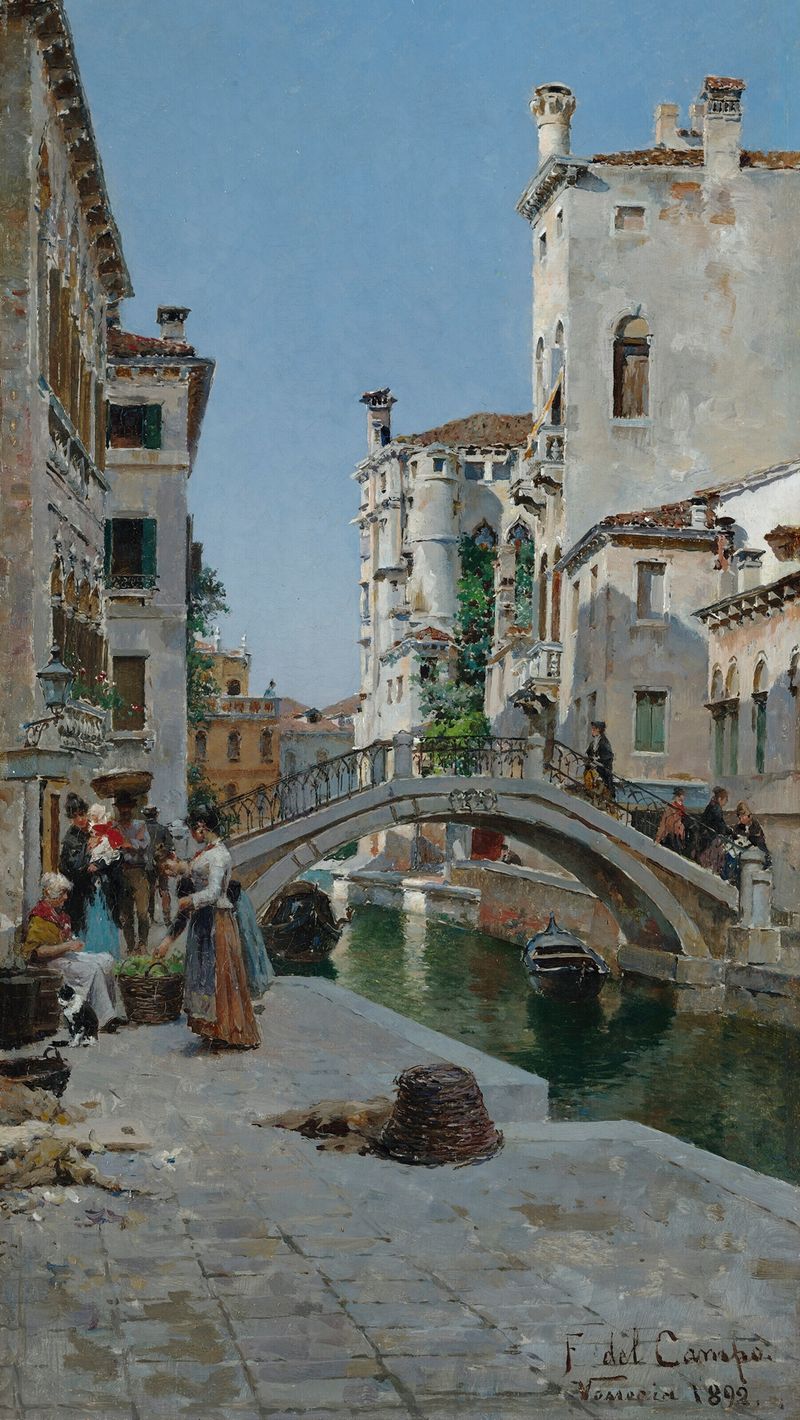
View of Venice
Federico del Campo
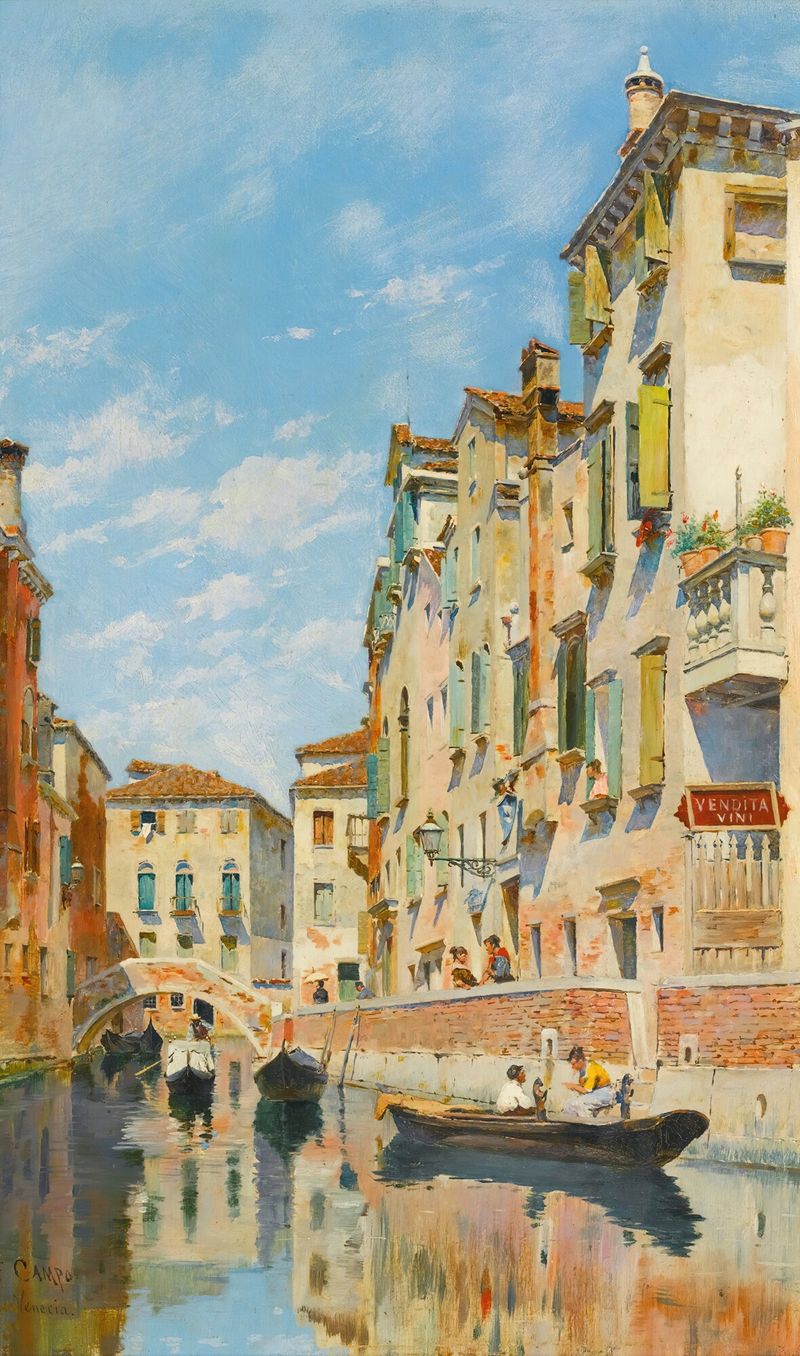
Gondolas On A Venetian Canal
Federico del Campo
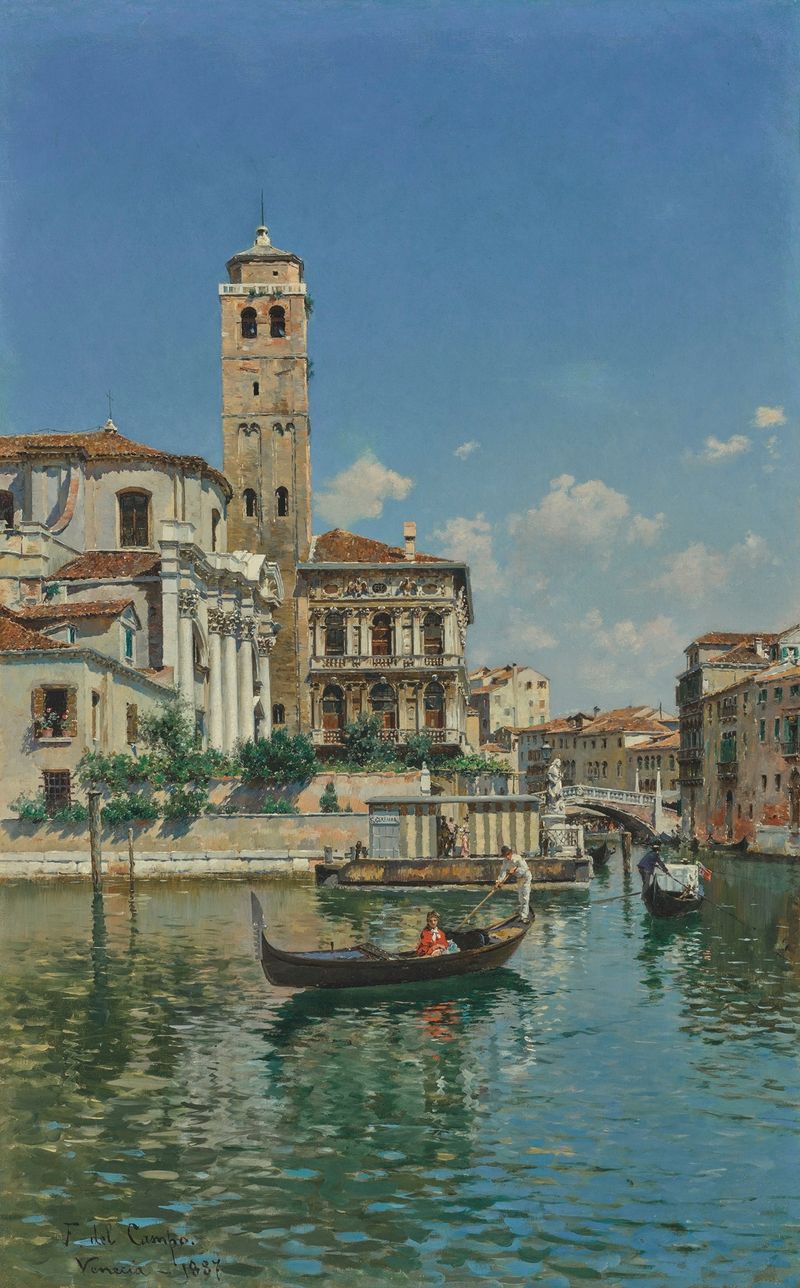
The Palazzo Labia, Venice
Federico del Campo
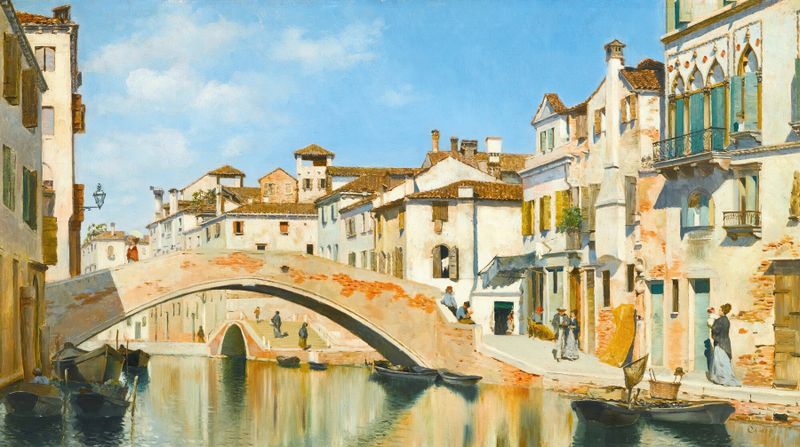
Tintoretto’s House, Venice
Federico del Campo
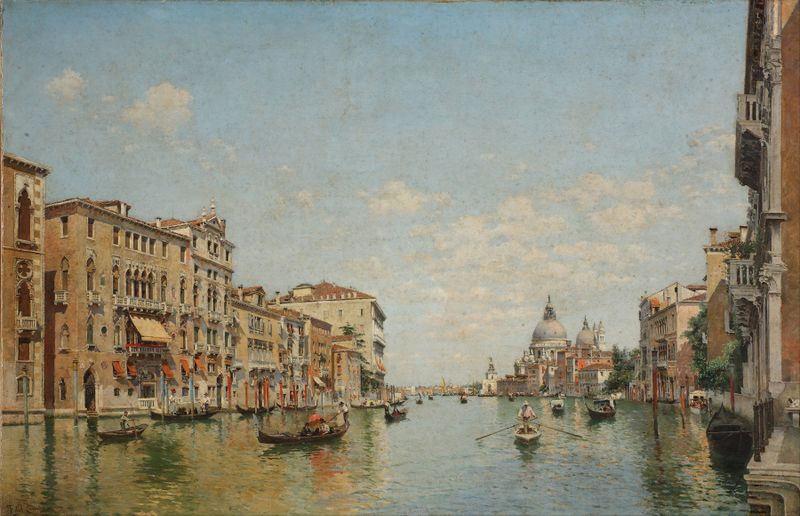
View of the Grand Canal of Venice
Federico del Campo
More Architecture Art
Browse all →
The statue of Liberty
Frédéric Auguste Bartholdi

View of Houses in Delft, Known as ‘The Little Street’
Johannes Vermeer

View of Houses in Delft, Known as ‘The Little Street’
Johannes Vermeer

The Cathedral in Rouen. The portal, Grey Weather
Claude Monet

The yellow house
Vincent van Gogh

The Church in Auvers-sur-Oise, View from the Chevet
Vincent van Gogh