
View of the Grand Canal of Venice — History & Facts
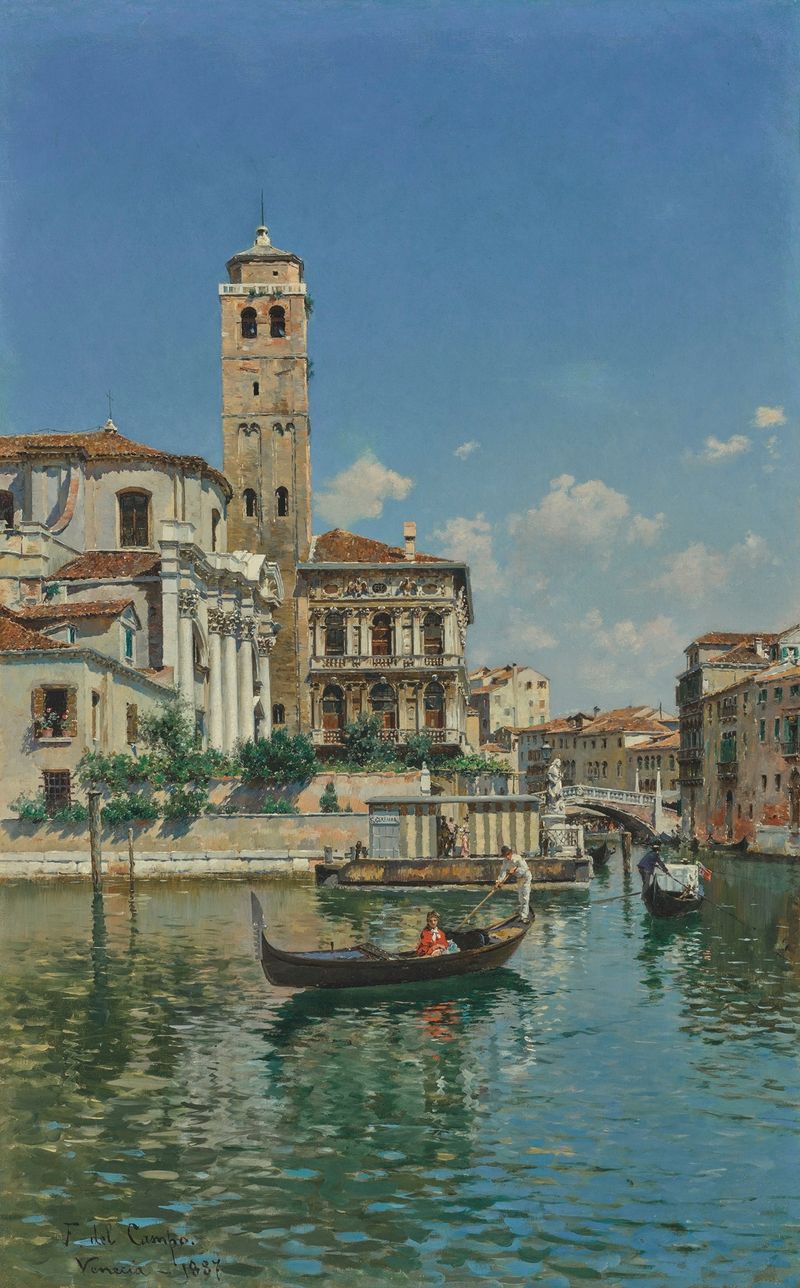
In the gentle ebb of time, how does one capture the essence of loss woven into the fabric of a city? Look closely at the horizon where the Grand Canal stretches into the distance, shimmering with a golden light that dances upon the water’s surface. Focus on the delicate interplay of blues and greens that evoke the fluidity of the Venetian skyline, where soft pastels mingle with the fading warmth of day. The buildings rise like solemn sentinels, their reflections whispering secrets to the canal, inviting you to delve deeper into the story behind this urban tapestry. Amidst the visual beauty, there lies an underlying tension.
The serene scene may seem idyllic at first glance, but the muted tones and soft brushwork hint at an emotional weight—perhaps nostalgia or the quiet acceptance of change. Each gondola gliding through the water carries its own tale of journeys begun and ended, symbolizing both connection and the inevitable distances that separate lives. In this moment of stillness, the viewer feels a pang of longing, a recognition of what once was, and the bittersweet nature of memory. Federico del Campo painted this evocative piece in 1913, during a period marked by both artistic vibrancy and the looming shadows of change in Europe.
As the world braced itself for the turbulence of the First World War, the artist found solace in the enchanting streets of Venice, a subject he loved deeply. It was a time of reflection, where the city’s beauty was juxtaposed against a growing sense of uncertainty, capturing the transient nature of existence through every stroke of his brush.
More Artworks by Federico del Campo
Browse all →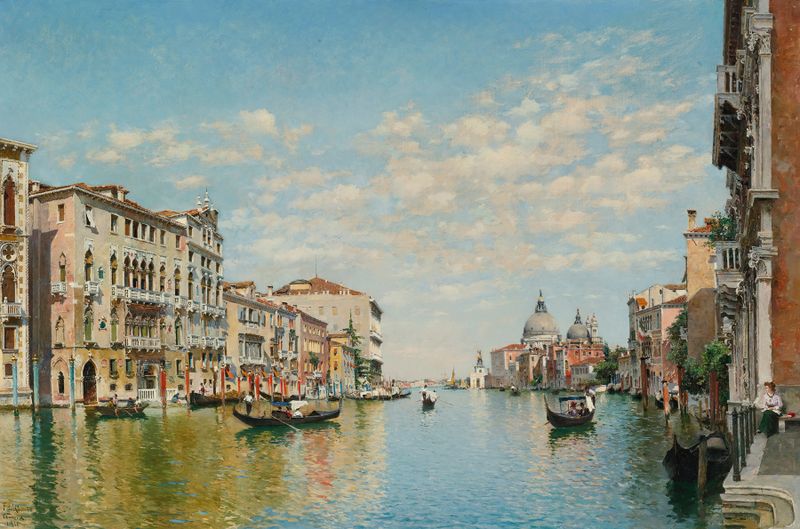
Gondoliers On The Grand Canal, Venice
Federico del Campo
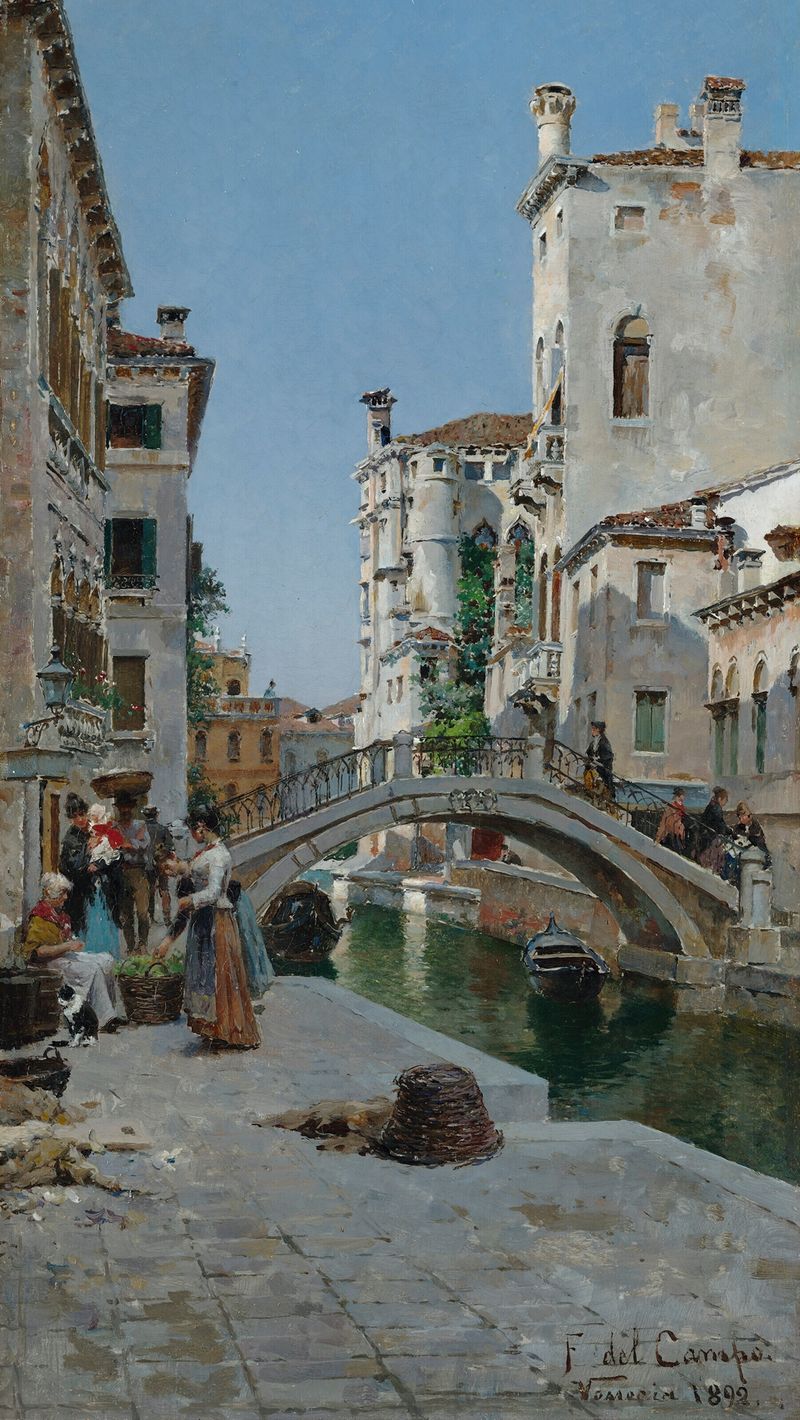
View of Venice
Federico del Campo
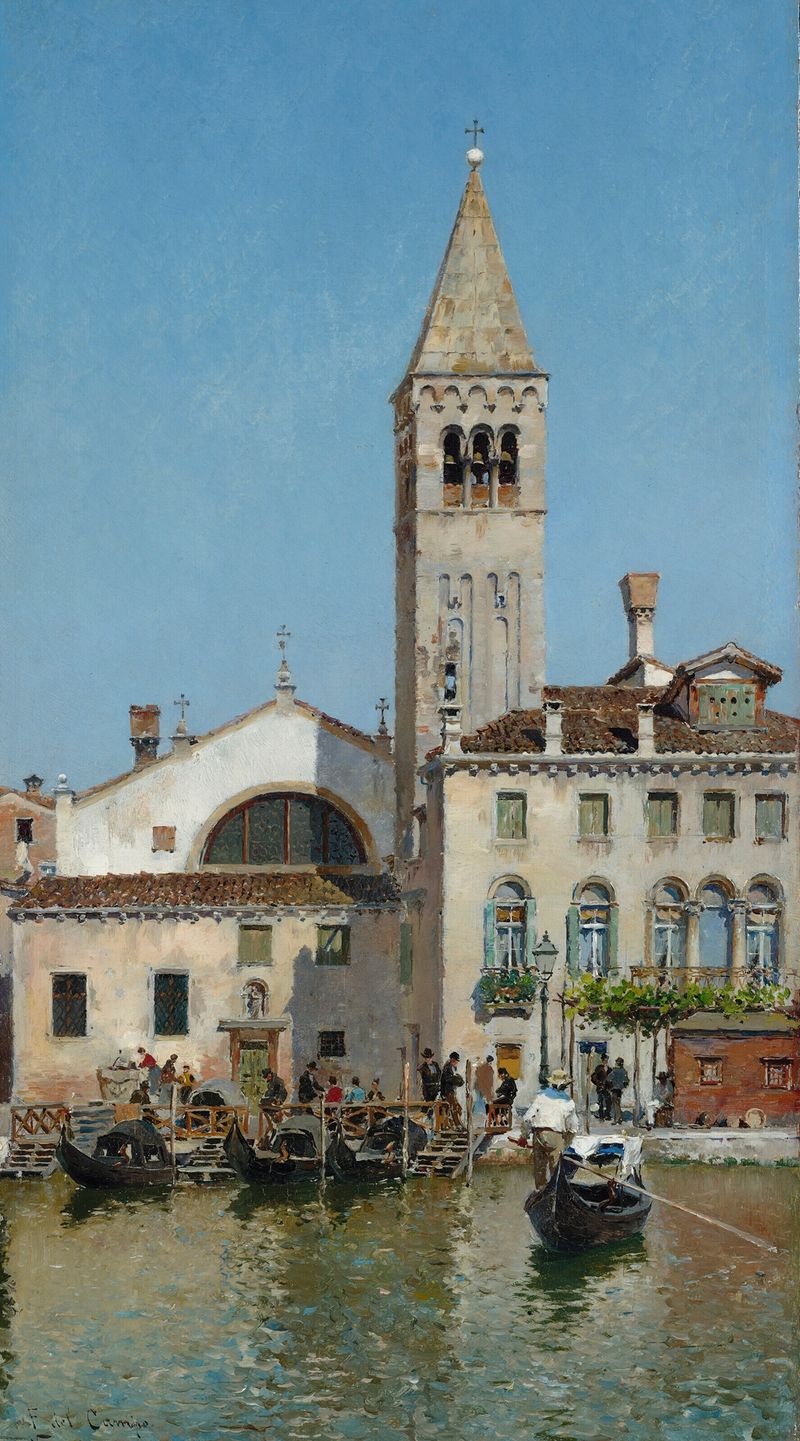
View of Venice
Federico del Campo
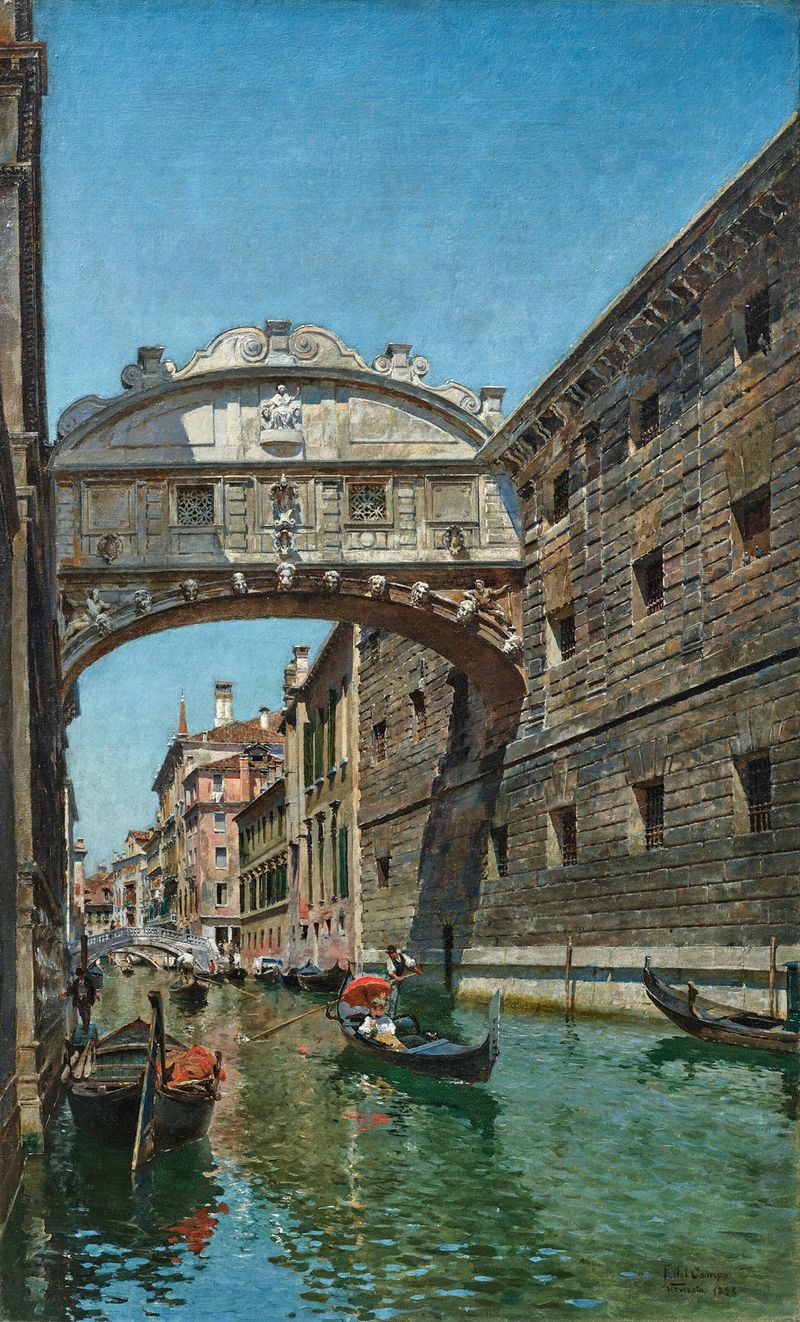
Il Ponte dei Sospiri
Federico del Campo
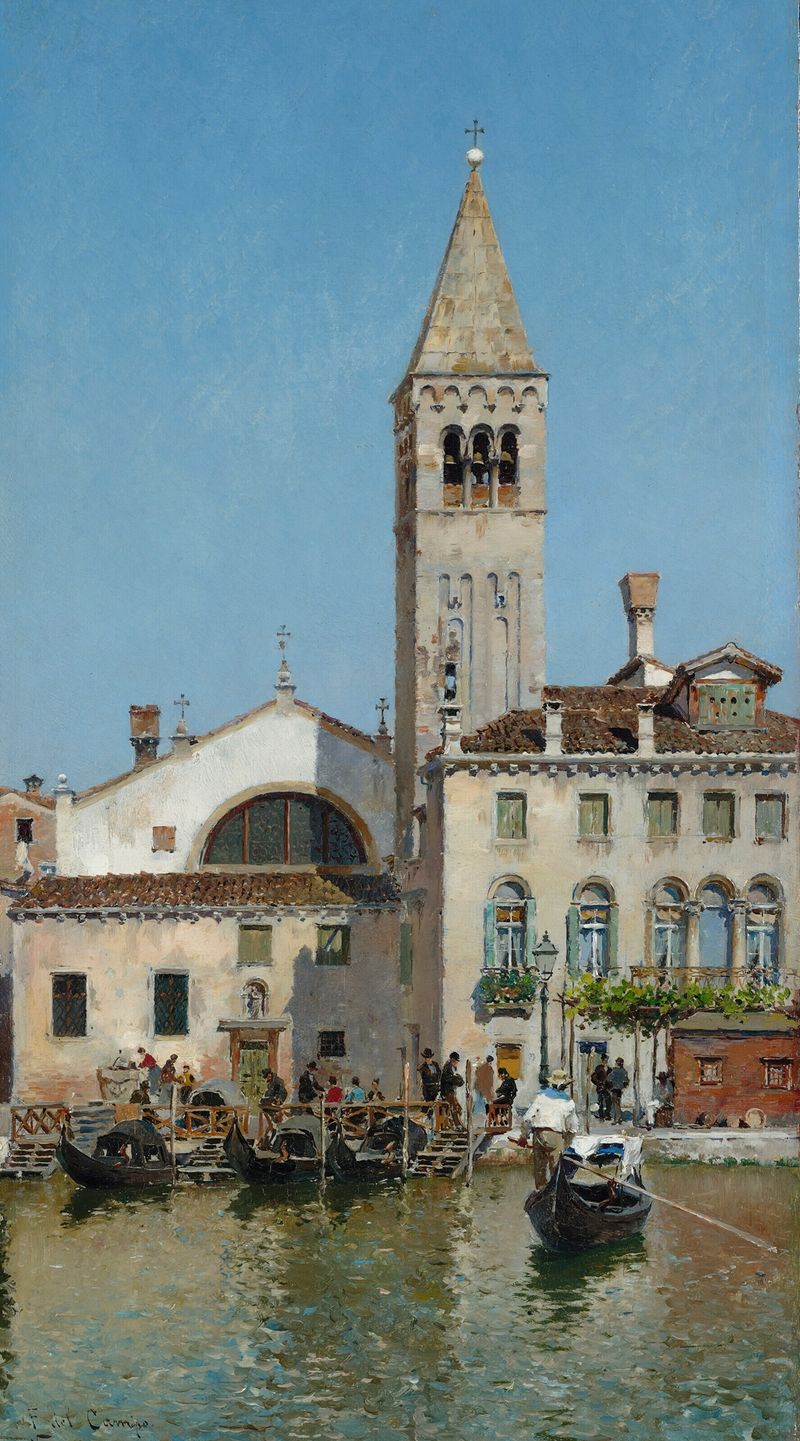
View of Venice
Federico del Campo
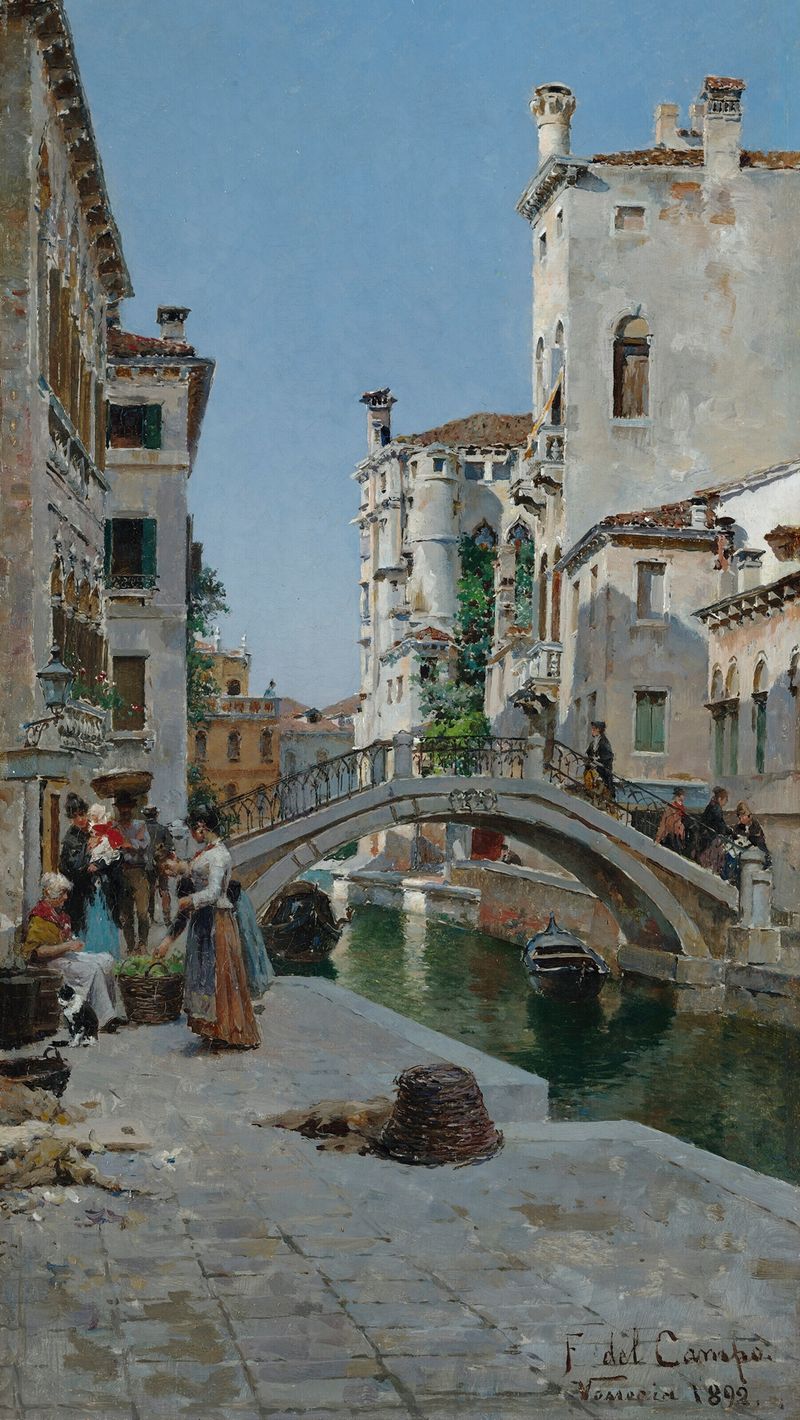
View of Venice
Federico del Campo
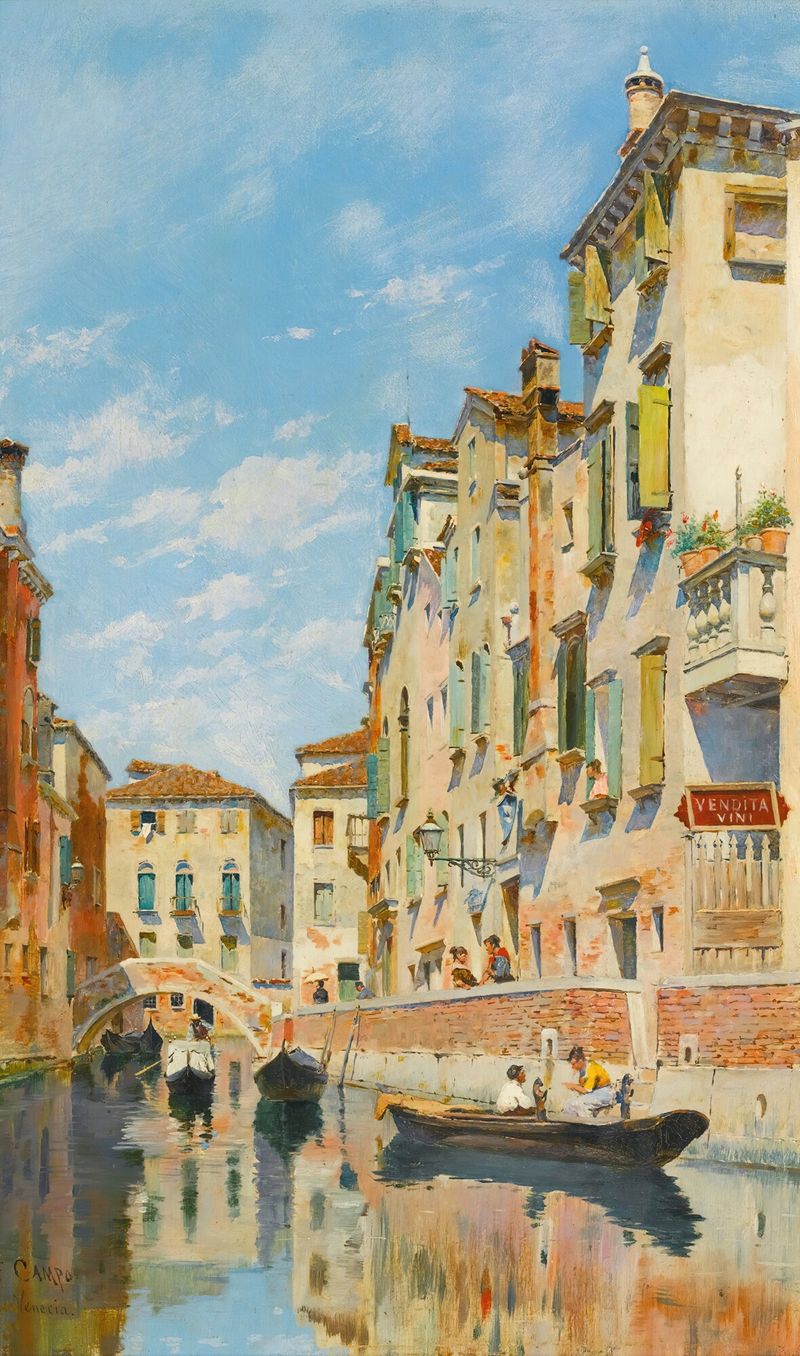
Gondolas On A Venetian Canal
Federico del Campo
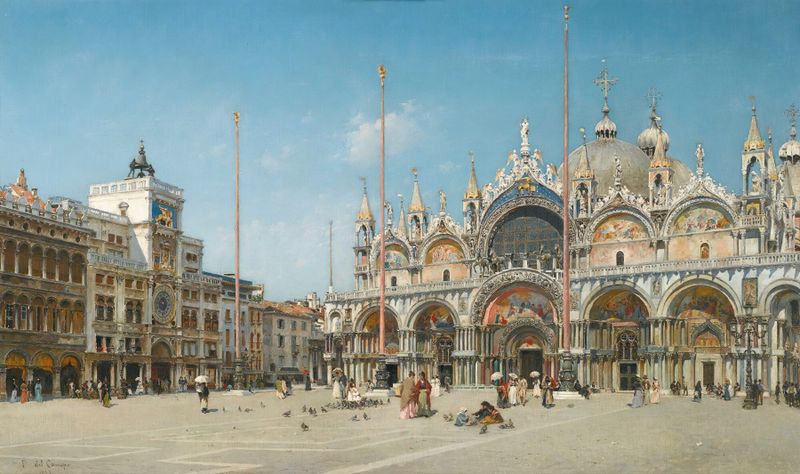
Saint Mark’s Square, Venice
Federico del Campo
The Palazzo Labia, Venice
Federico del Campo
Tintoretto’s House, Venice
Federico del Campo





