
The Palazzo Labia, Venice — History & Facts
This sentiment resonates deeply within the scenes of decay, as captured in art’s delicate embrace of impermanence. Look to the left at the dilapidated façade of The Palazzo Labia, where a dappled play of sunlight reveals the peeling plaster and fading colors, hinting at a once-glorious past. The artist’s brushstrokes evoke the languid movement of water, as reflections ripple in the canal below, mirroring the building’s slow surrender to time. Notice how the muted palette of browns and grays is punctuated by soft pastels, drawing the viewer into an atmosphere of nostalgia and melancholy. Beneath the surface, the painting speaks of contrasting realities — the vibrant life that once thrived within the palazzo versus the quiet decay now evident in its crumbling walls.
Small details, such as the wisps of greenery emerging from the stone, symbolize nature’s reclamation, reminding us of the inevitable cycle of growth and dissolution. This delicate balance between beauty and deterioration invites contemplation on the passage of time and the layers of history embedded in architecture. Federico del Campo painted this scene in 1887 while living in Venice, a city celebrated for its artistry but also marked by the slow deterioration of its architectural treasures. During this period, the artist was deeply influenced by the Romantic movement, which emphasized emotional expression and the sublime beauty of nature, often in contrast with human creations.
This interplay of elements found in his work reflects not only his personal artistic journey but also the broader conversations surrounding the preservation of cultural heritage amid the relentless march of time.
More Artworks by Federico del Campo
Browse all →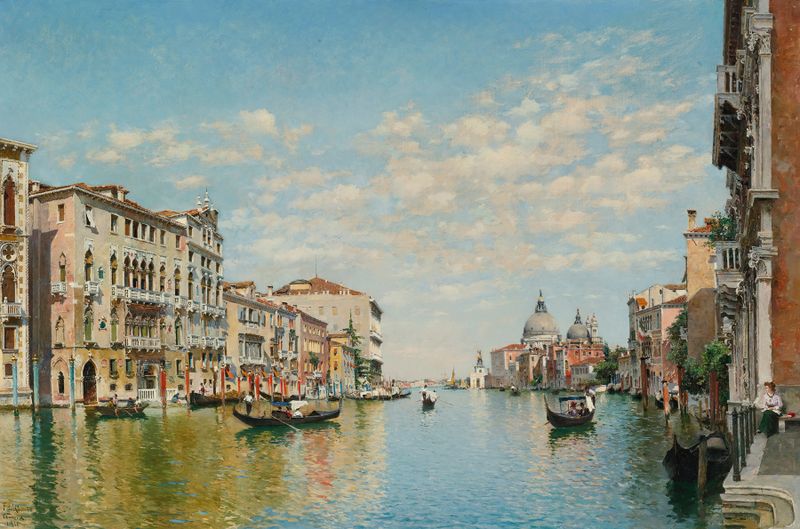
Gondoliers On The Grand Canal, Venice
Federico del Campo
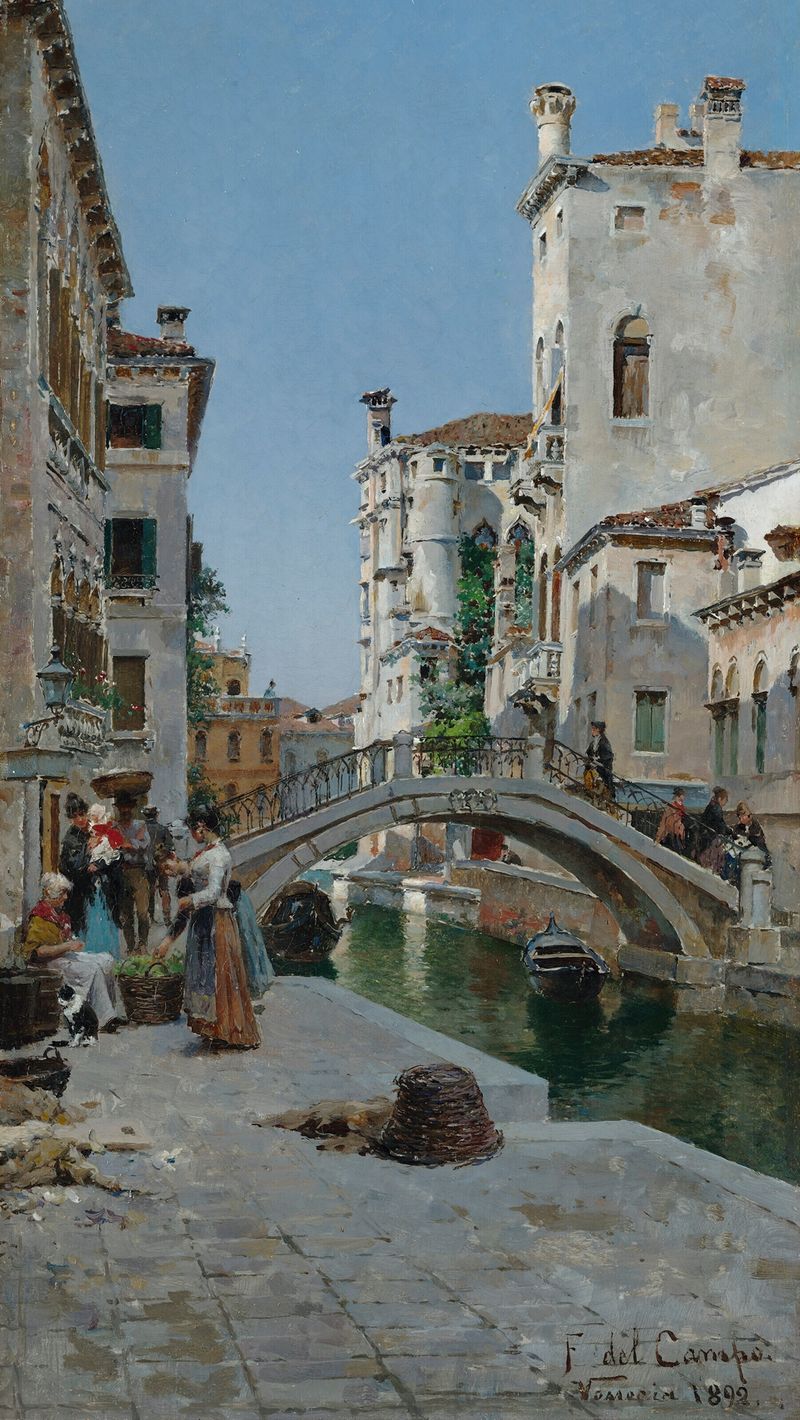
View of Venice
Federico del Campo
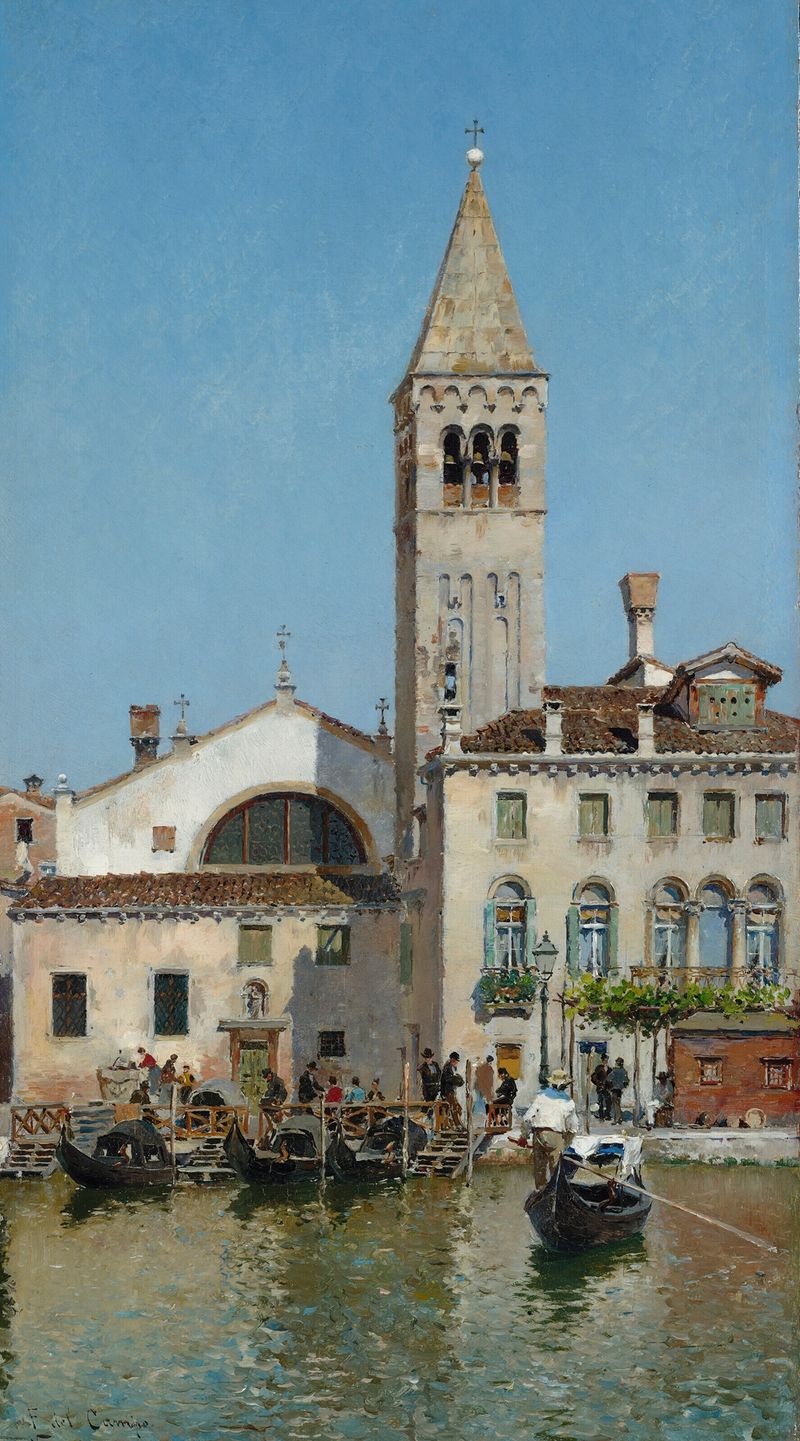
View of Venice
Federico del Campo
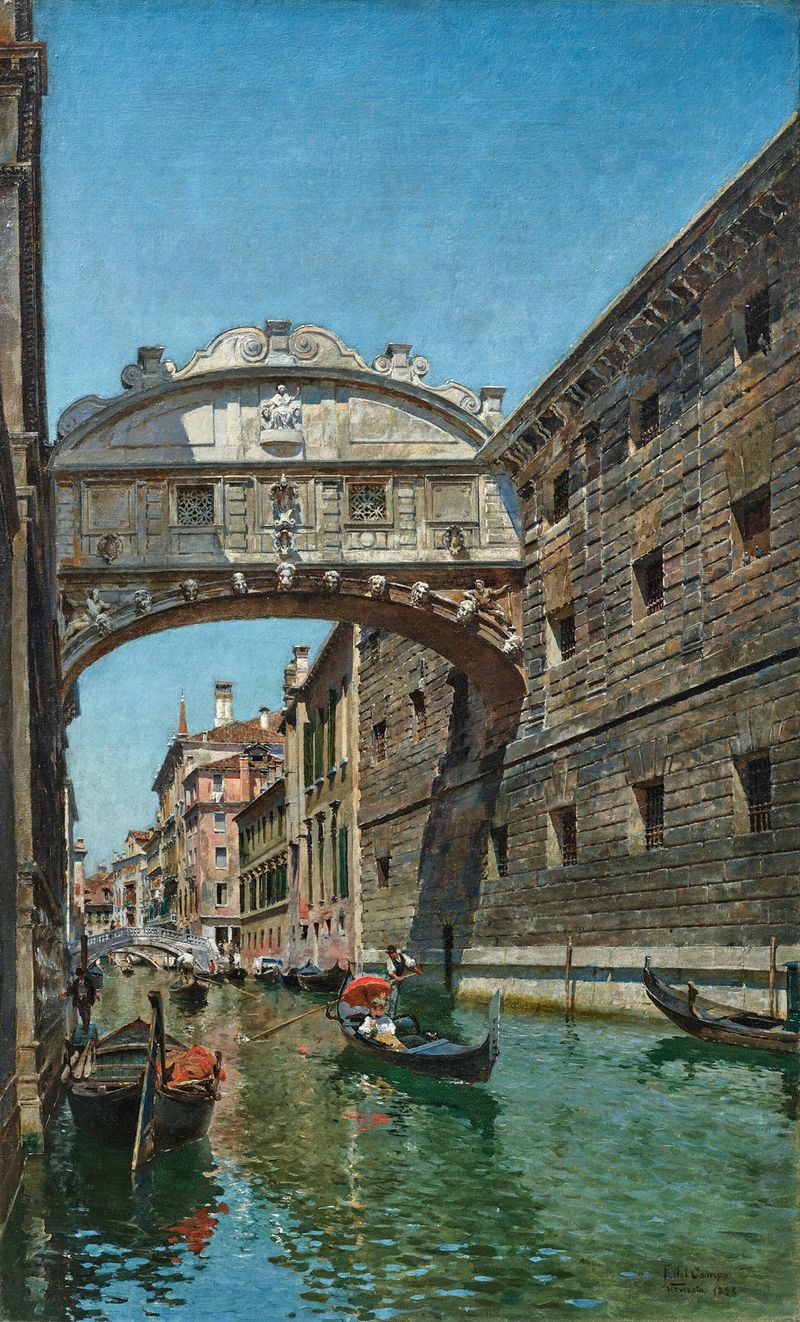
Il Ponte dei Sospiri
Federico del Campo
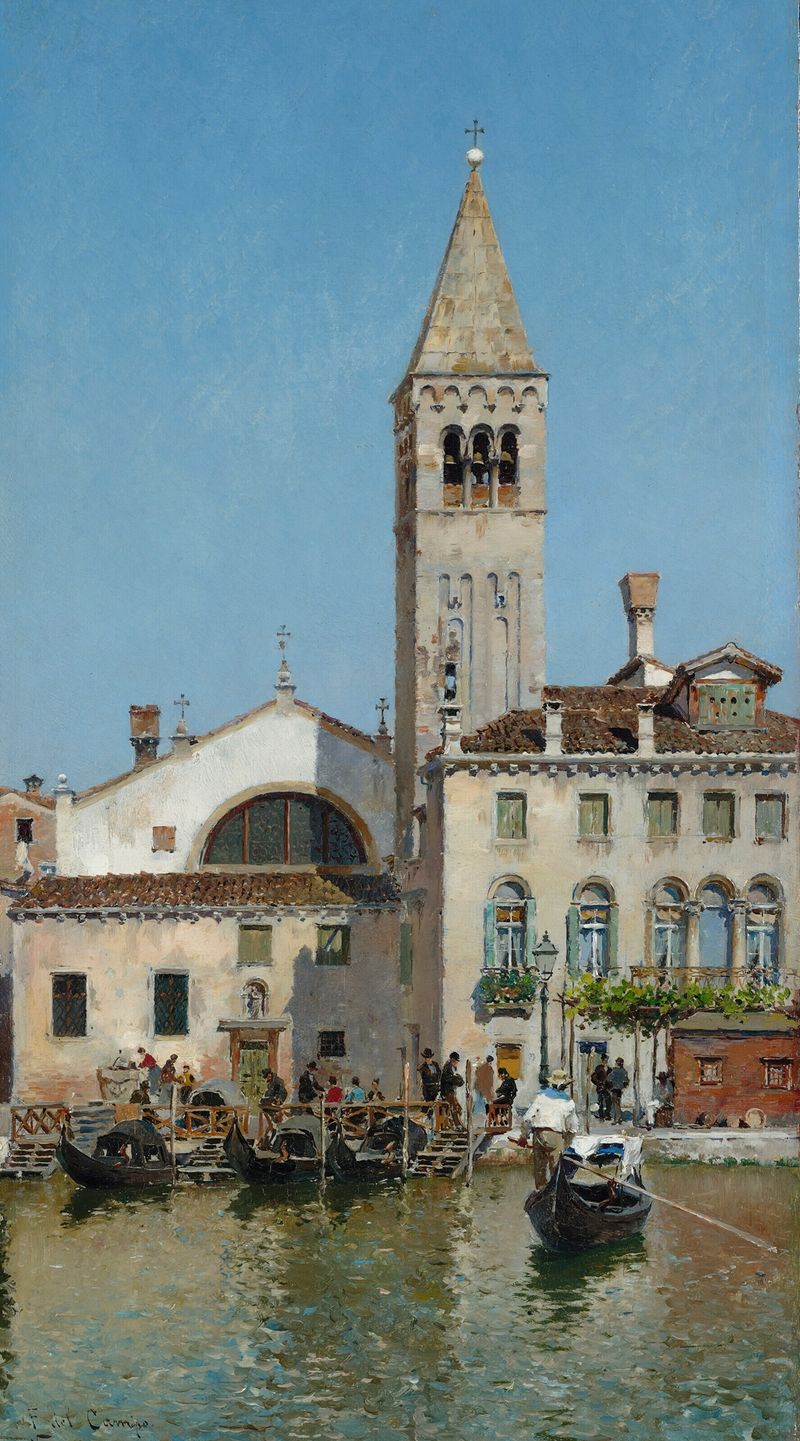
View of Venice
Federico del Campo
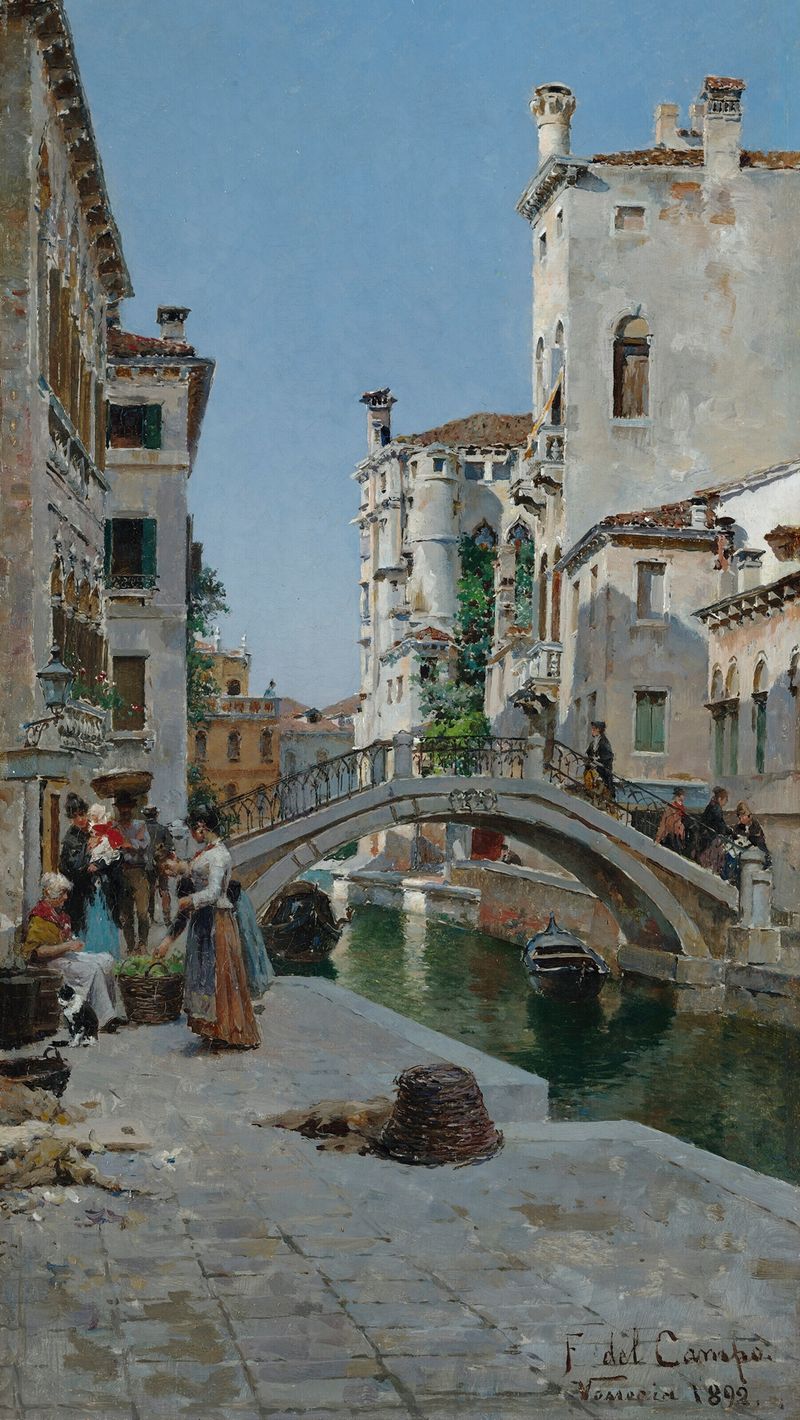
View of Venice
Federico del Campo
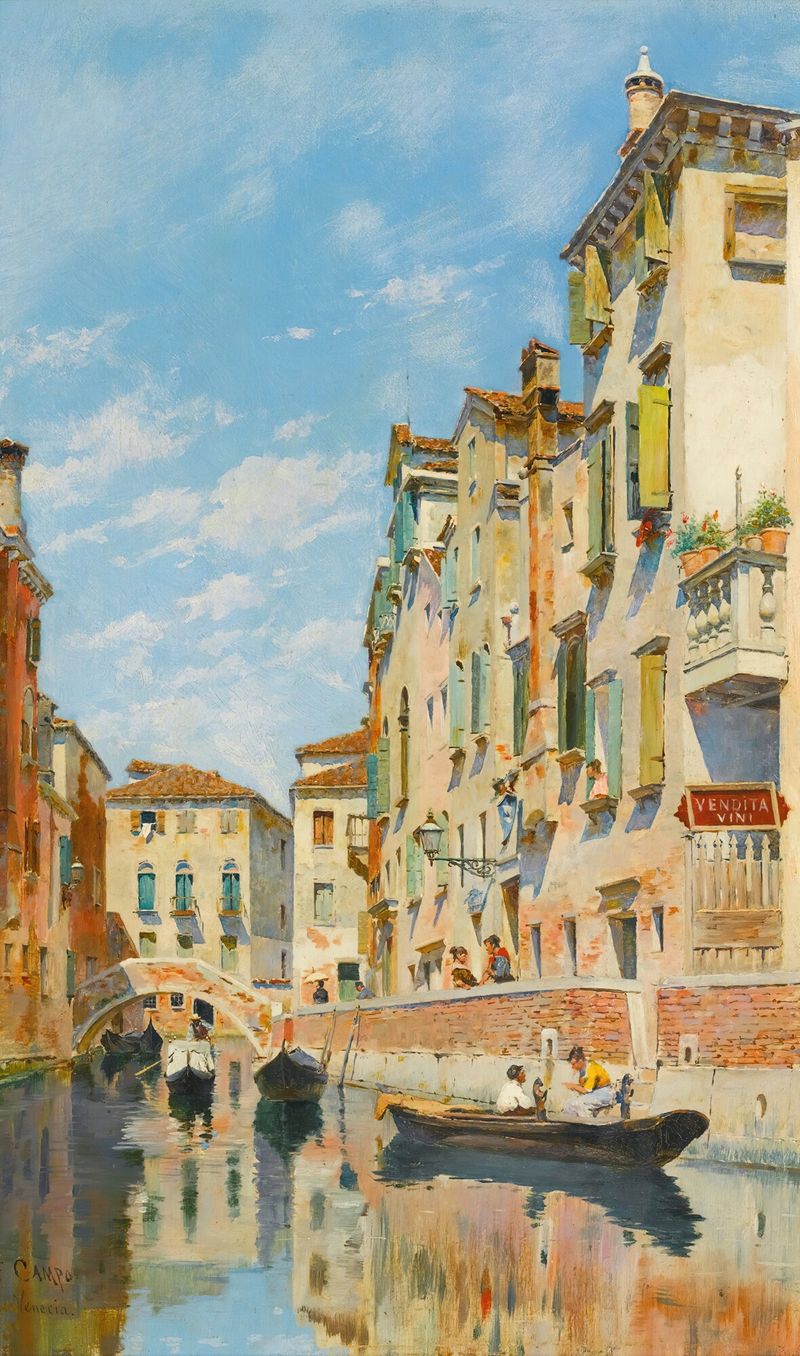
Gondolas On A Venetian Canal
Federico del Campo
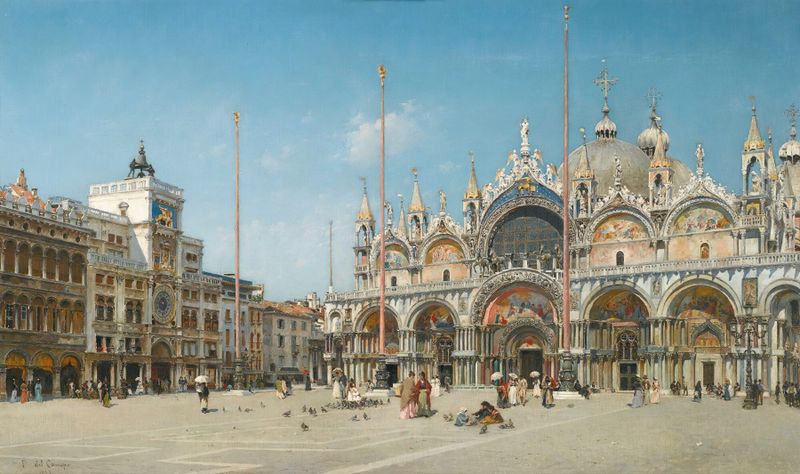
Saint Mark’s Square, Venice
Federico del Campo
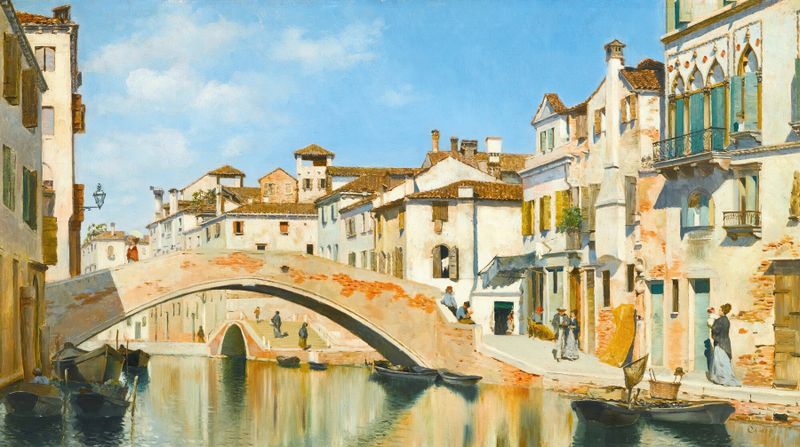
Tintoretto’s House, Venice
Federico del Campo
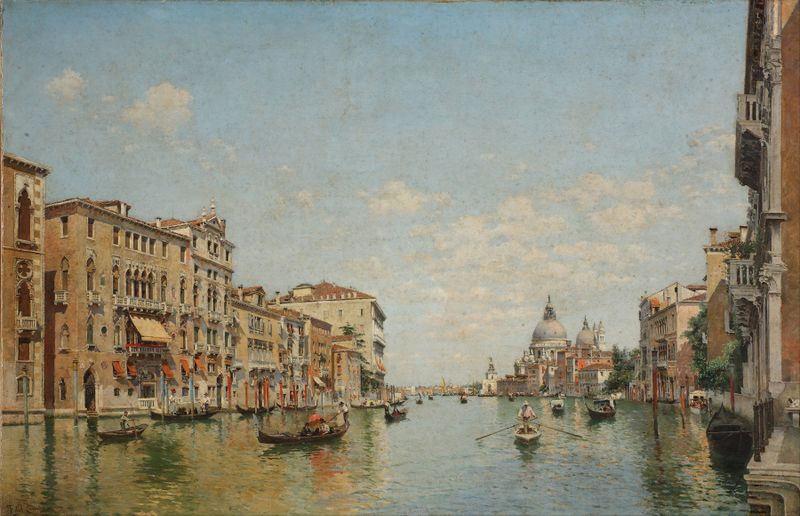
View of the Grand Canal of Venice
Federico del Campo
More Architecture Art
Browse all →
The statue of Liberty
Frédéric Auguste Bartholdi

View of Houses in Delft, Known as ‘The Little Street’
Johannes Vermeer

View of Houses in Delft, Known as ‘The Little Street’
Johannes Vermeer

The Cathedral in Rouen. The portal, Grey Weather
Claude Monet

The yellow house
Vincent van Gogh

The Church in Auvers-sur-Oise, View from the Chevet
Vincent van Gogh