
Sakanoshita — History & Facts
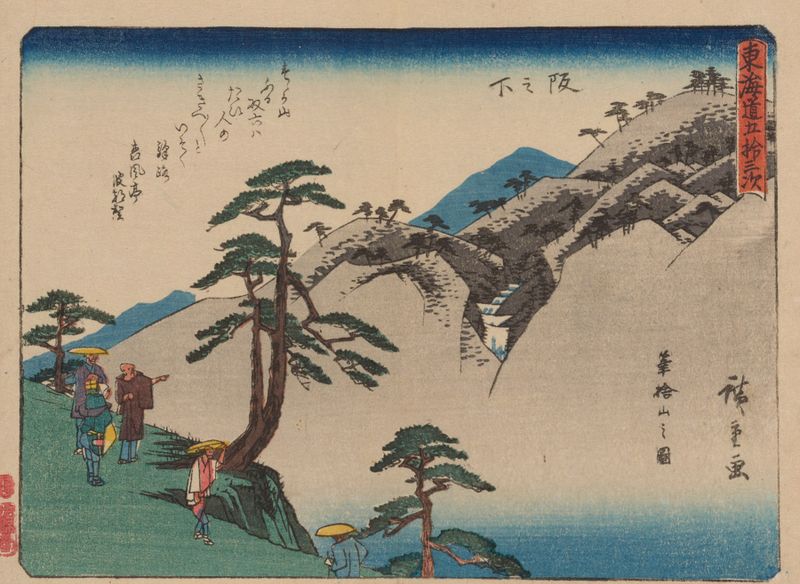
Can paint confess what words never could? In Sakanoshita, the delicate interplay of color and form speaks to the quiet sorrow of loss, whispering untold stories of what once was. Look to the foreground, where the gentle waves of the river unfurl like the lingering memories of the past. Notice the subtle gradation of blues and greens, the hues blending seamlessly to evoke a sense of tranquility beneath a melancholy sky. The figures in small boats, set against the vastness of nature, appear almost insignificant, their gestures hinting at longing and reminiscence.
The composition balances the richness of the landscape with the fragility of human presence, creating a poignant contrast. In the distance, the mountains loom, a steadfast reminder of time's passage, while the delicate clouds above hint at both hope and inevitability. The colors shift from vibrant to muted as they traverse the canvas, echoing the emotional journey through joy and heartache. Every brushstroke captures a fleeting moment, inviting viewers to reflect on their own experiences of loss, be it the passing of time or the fading of relationships. In 1855, Utagawa Hiroshige created this work during a period of profound transformation in Japan.
The artist was deeply immersed in the ukiyo-e tradition yet was evolving his style in response to Western influences. At that time, the country was beginning to open its doors to foreign ideas, which would soon lead to dramatic changes in art and culture. Hiroshige's ability to convey emotion through landscape set him apart as a master of his craft, allowing viewers to connect intimately with the universal themes of life and loss.
More Artworks by Utagawa Hiroshige
Browse all →
Sudden Shower over Shin Ohashi Bridge and Atake (Ohashi Atake no yudachi), from the series "One Hundred Famous Views of Edo (Meisho Edo hyakkei)"
Utagawa Hiroshige
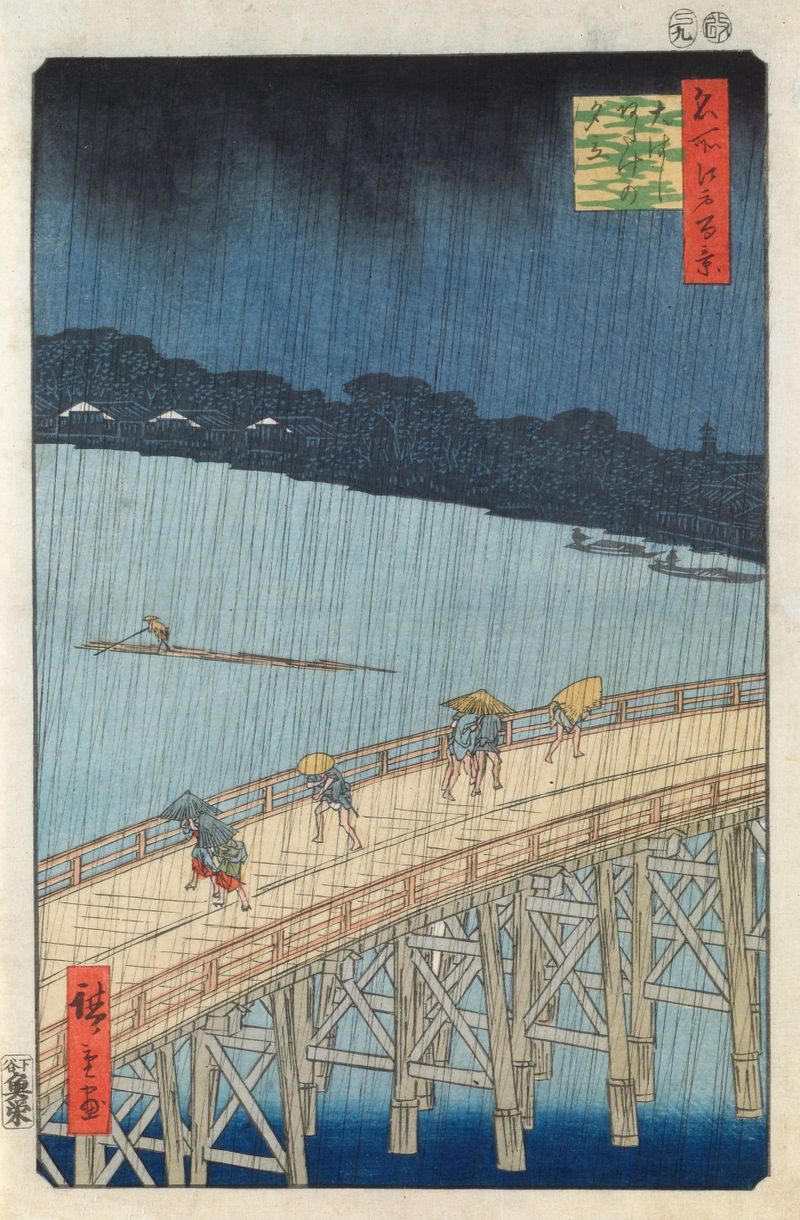
Sudden Shower Over Ohashi Bridge and Atake
Utagawa Hiroshige
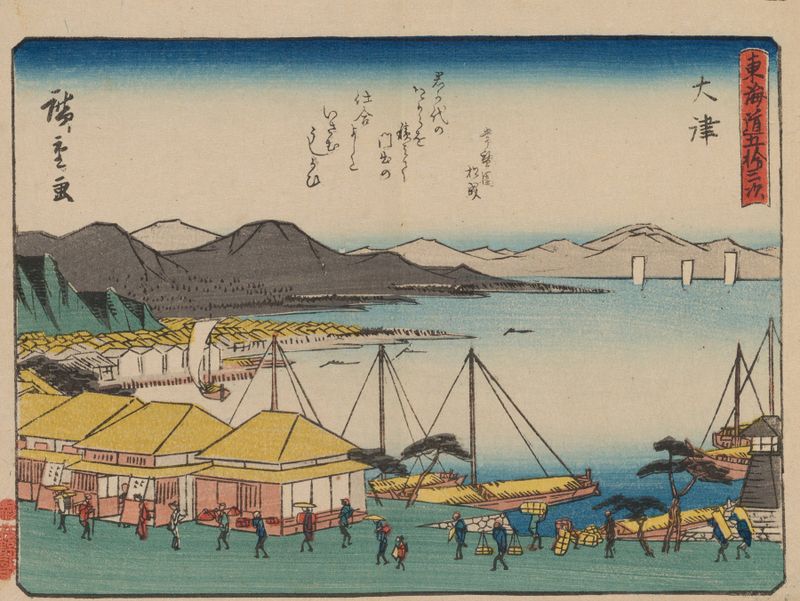
Tokaido gojusantsugi, Pl.54
Utagawa Hiroshige
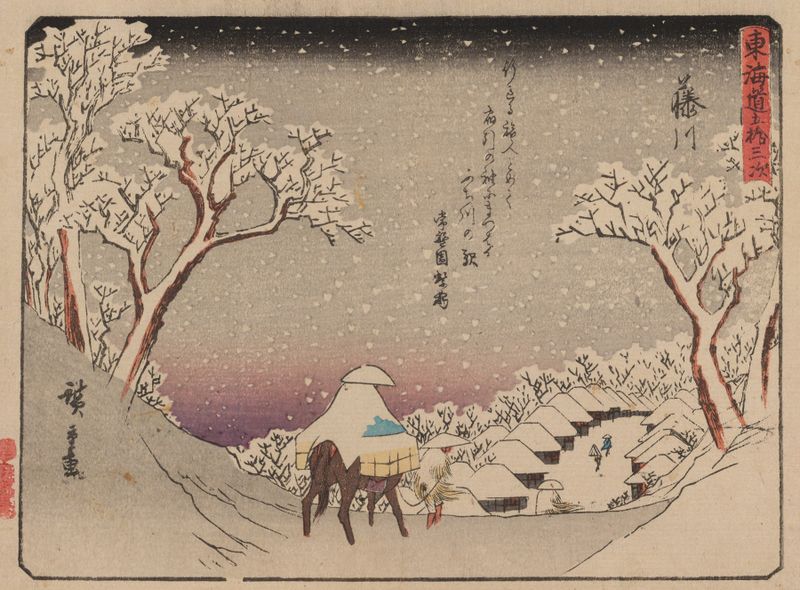
Tokaido gojusantsugi, Pl.38
Utagawa Hiroshige
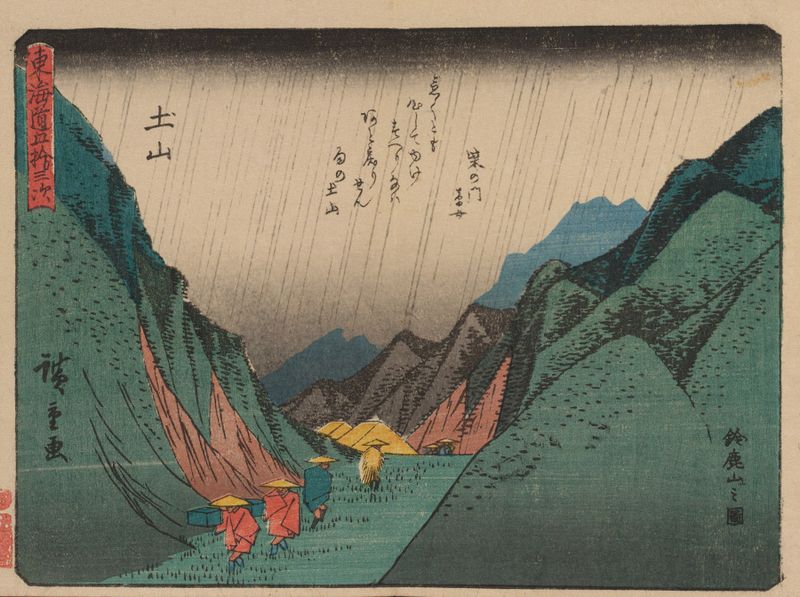
Tokaido gojusantsugi, Pl.50
Utagawa Hiroshige
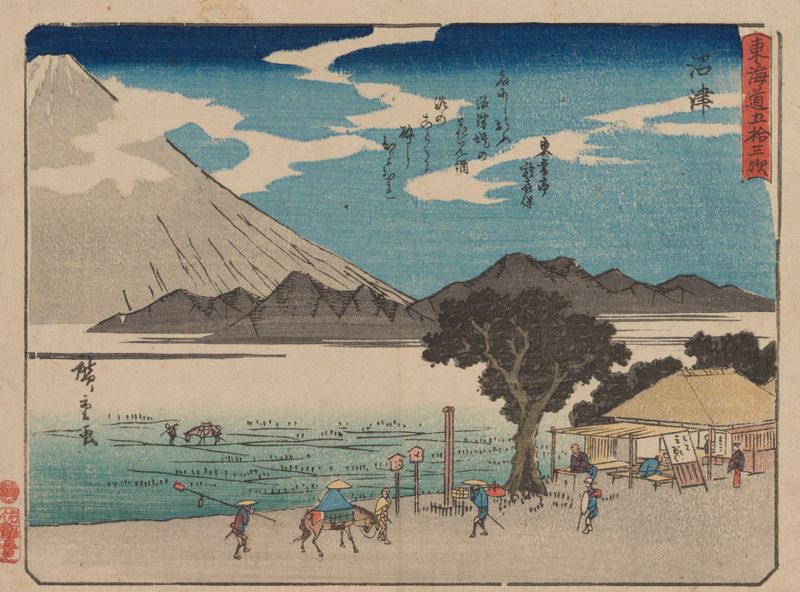
Tokaido gojusantsugi, Pl.13
Utagawa Hiroshige
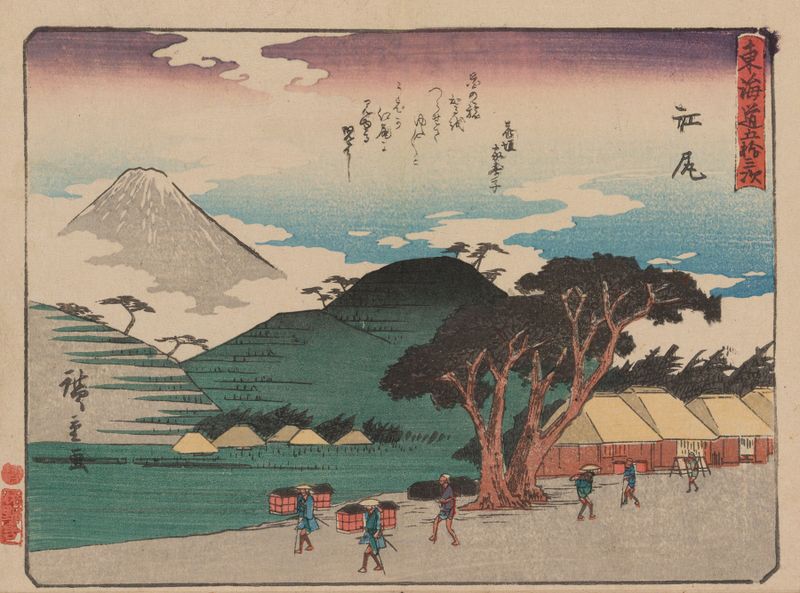
Tokaido gojusantsugi, Pl.19
Utagawa Hiroshige
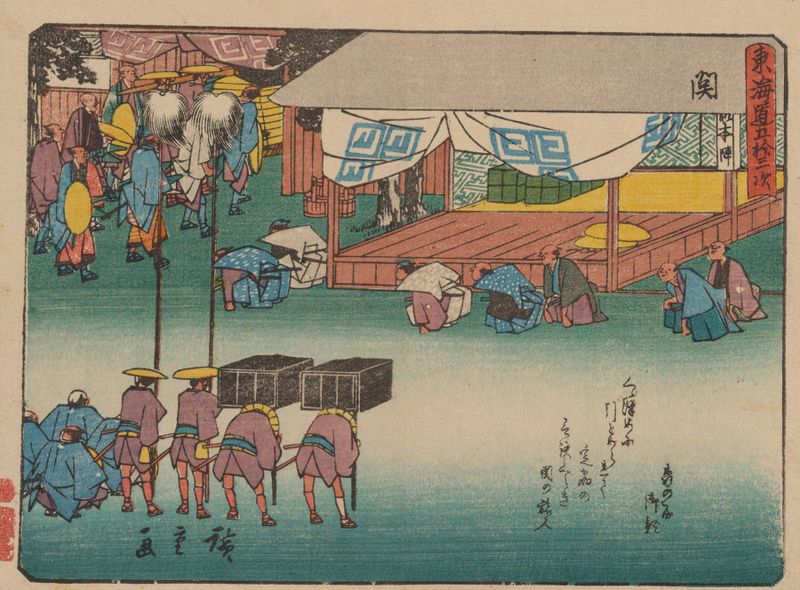
Tokaido gojusantsugi, Pl.48
Utagawa Hiroshige
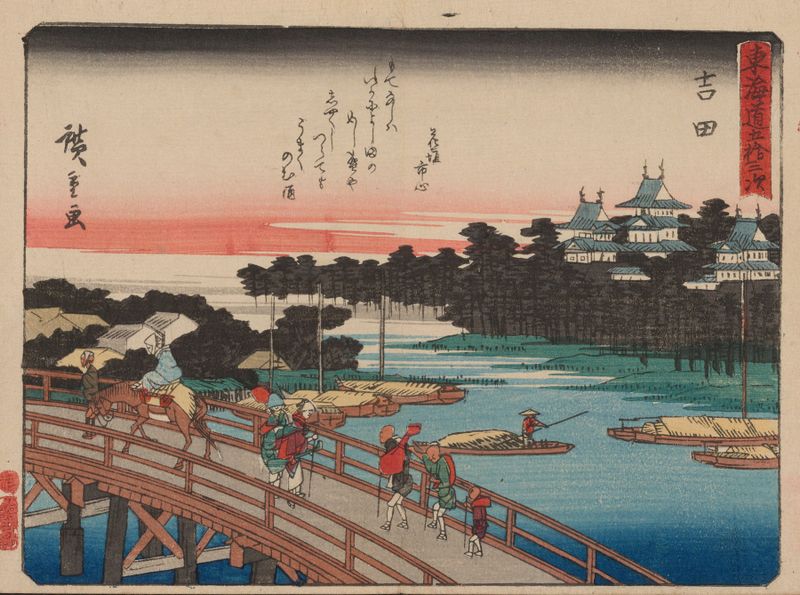
Tokaido gojusantsugi, Pl.35
Utagawa Hiroshige
Tokaido gojusantsugi, Pl.49
Utagawa Hiroshige





