
Sakonashita — History & Facts
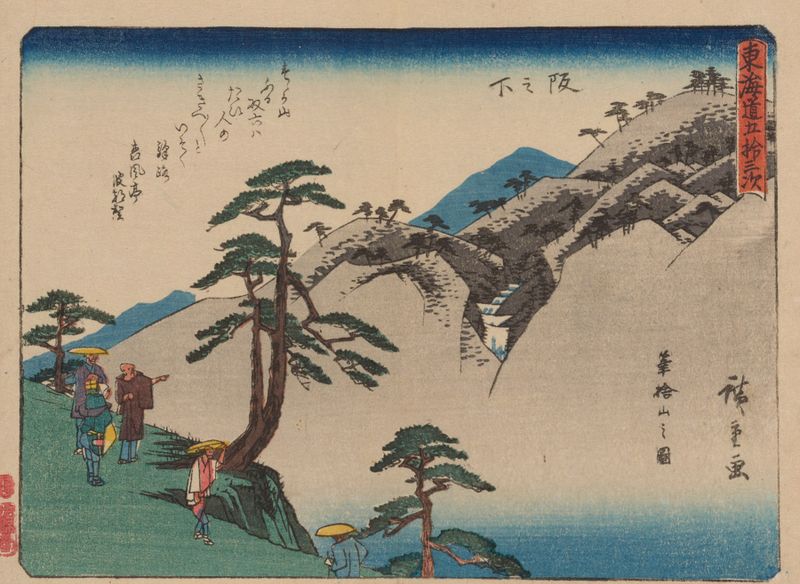
In the delicate world of Sakonashita, shadows intertwine with light, creating a dance that transcends mere representation. Each stroke reveals a moment suspended in time, inviting the viewer to explore the interplay between presence and absence. Look to the lower left corner, where the figures emerge from a subtle haze. The muted blues and earthy browns invite a sense of tranquility, while soft pastels suggest a twilight sky.
Notice how the delicate outlines of the trees create a jagged rhythm against the horizon, their silhouettes etched with quiet strength. The careful layering of color not only adds depth but also evokes the passage of time, as if the scene breathes alongside the viewer. Yet, it is within the shadows that deeper meanings unfurl. The obscured spaces hint at stories left untold, evoking the transient nature of existence.
The interplay of light and dark speaks to the delicate balance of life, reflecting both beauty and melancholy. As silhouettes stretch and recede, they embody the fleeting connections we share, reminding us of the shadows that linger in our own lives. Utagawa Hiroshige created Sakonashita between 1841 and 1842 during a flourishing period of ukiyo-e, a genre that sought to capture the beauty of everyday life in Edo-period Japan. At this time, Hiroshige was exploring his signature style, focusing on landscapes infused with emotional depth.
His work coincided with a growing interest in nature among the Japanese, as well as a shift in aesthetics influenced by Western art. This piece marks a significant point in his journey, showcasing his mastery of light and shadow.
More Artworks by Utagawa Hiroshige
Browse all →
Sudden Shower over Shin Ohashi Bridge and Atake (Ohashi Atake no yudachi), from the series "One Hundred Famous Views of Edo (Meisho Edo hyakkei)"
Utagawa Hiroshige
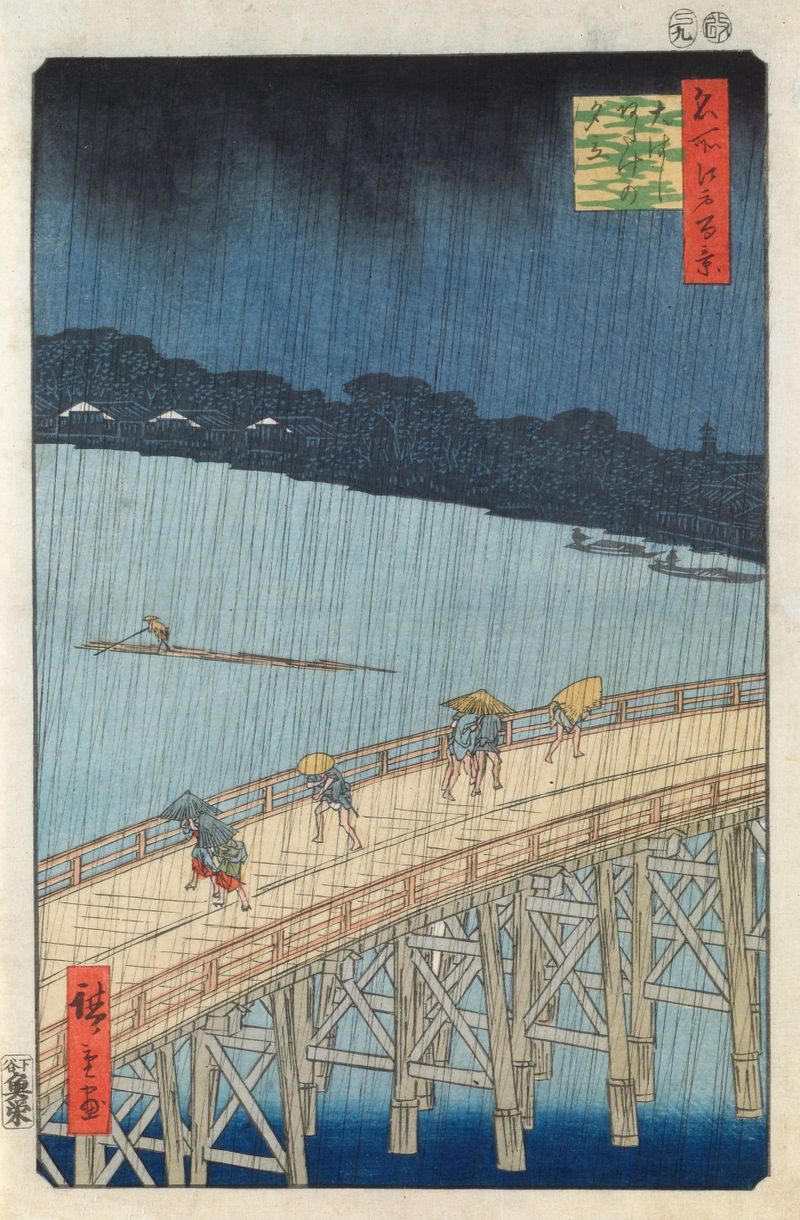
Sudden Shower Over Ohashi Bridge and Atake
Utagawa Hiroshige
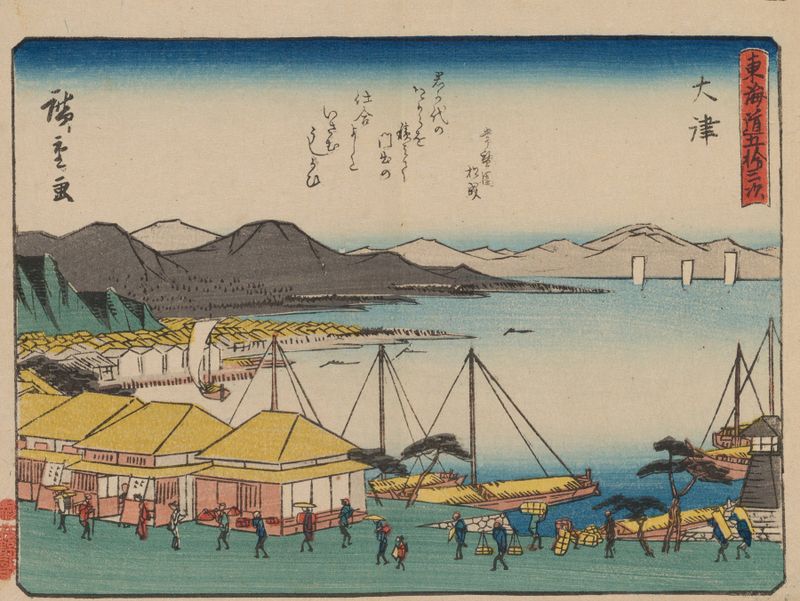
Tokaido gojusantsugi, Pl.54
Utagawa Hiroshige
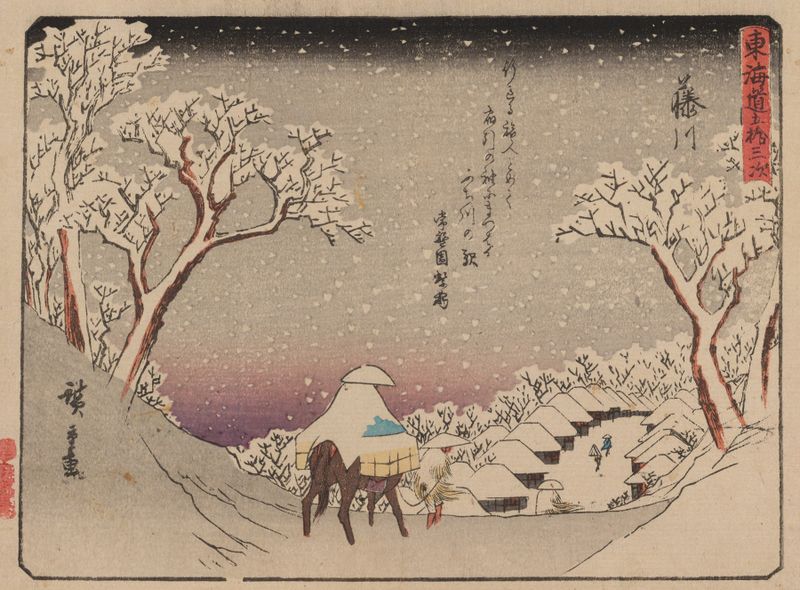
Tokaido gojusantsugi, Pl.38
Utagawa Hiroshige
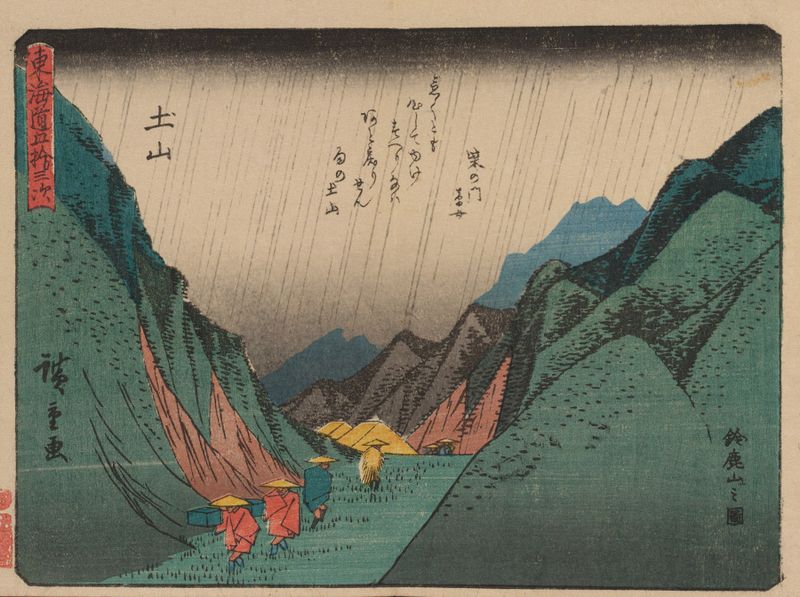
Tokaido gojusantsugi, Pl.50
Utagawa Hiroshige
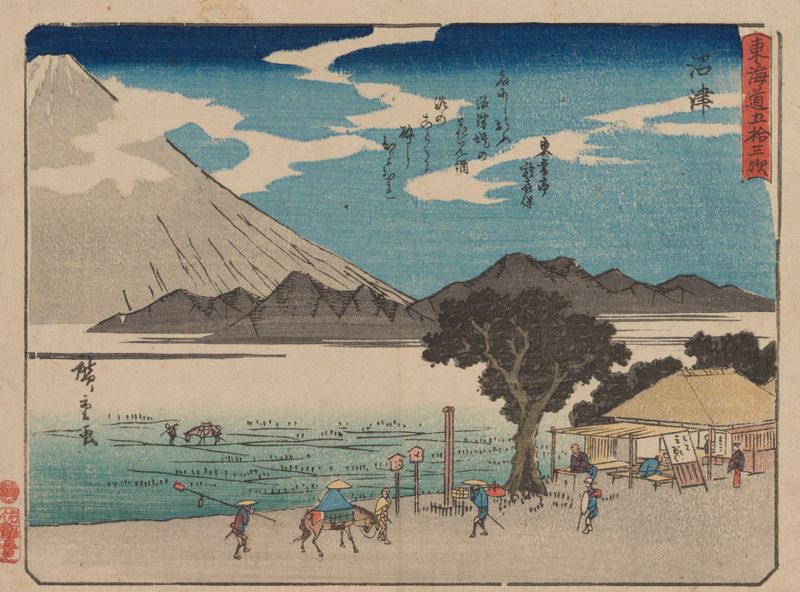
Tokaido gojusantsugi, Pl.13
Utagawa Hiroshige
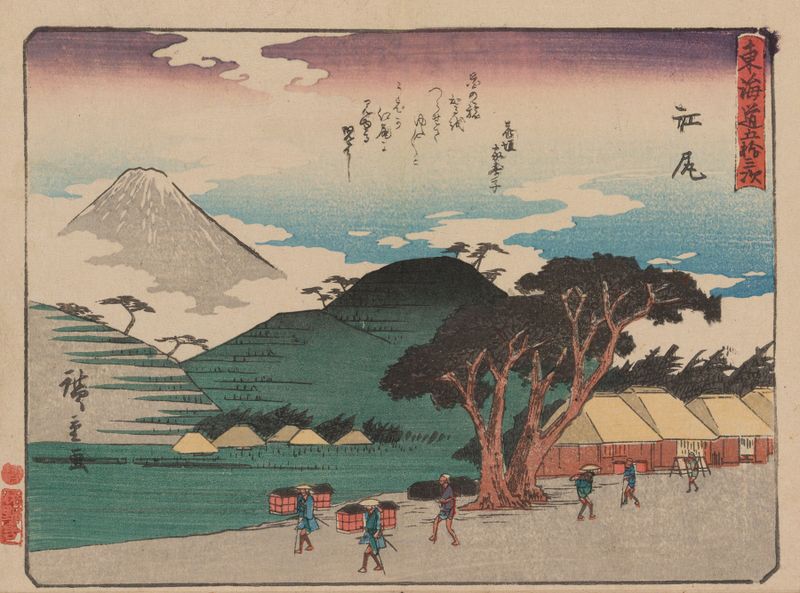
Tokaido gojusantsugi, Pl.19
Utagawa Hiroshige
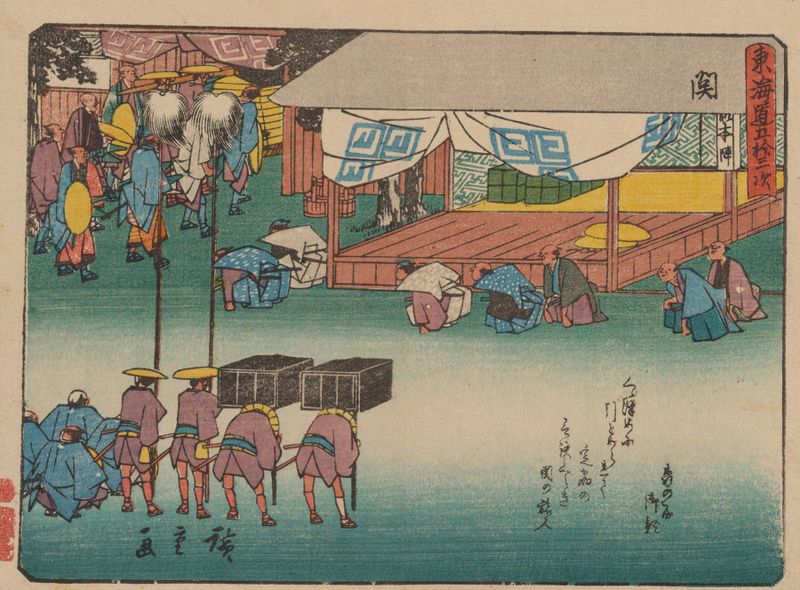
Tokaido gojusantsugi, Pl.48
Utagawa Hiroshige
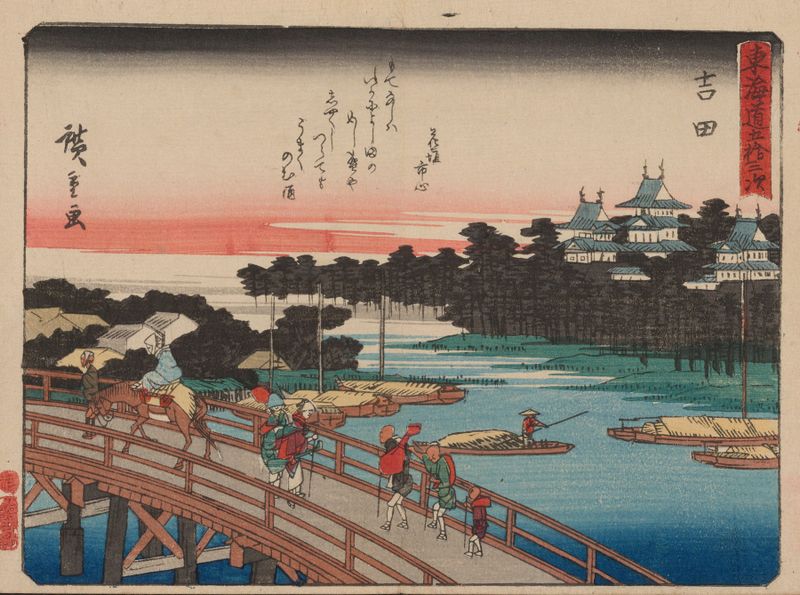
Tokaido gojusantsugi, Pl.35
Utagawa Hiroshige
Tokaido gojusantsugi, Pl.49
Utagawa Hiroshige





