Salzburger Landschaft mit Kapuzinerberg — History & Facts
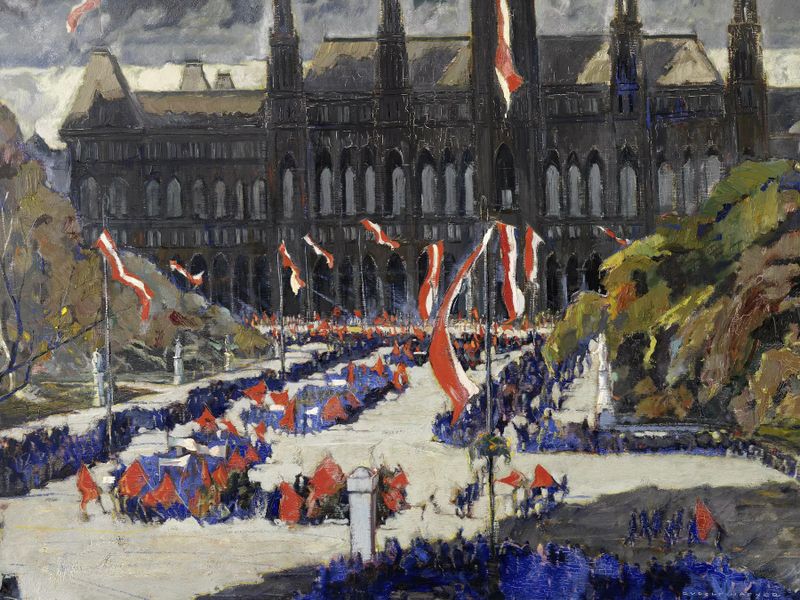
In the quiet embrace of nature, time intertwines with the landscape, whispering secrets of both fragility and endurance. Look to the horizon, where the Kapuzinerberg rises sharply against an expansive sky. The cool greens of the meadows beneath are juxtaposed with the warm, golden hues of the sunset, illustrating the fleeting nature of day. Each brushstroke captures the undulating forms of the land, creating a sense of movement as if the hills themselves breathe.
The gentle play of light emphasizes the contours of the mountain, drawing you in to explore the interplay between shadow and illumination. Beneath the tranquil surface, tensions simmer within the scene. The majestic mountain, a constant sentinel, contrasts with the ephemeral nature of the sky, evoking feelings of nostalgia and impermanence. This landscape serves as a reminder that beauty is not just an aesthetic experience but also a reflection of the passage of time—each moment fleeting yet filled with significance.
The delicate balance of color and form invites contemplation, suggesting that even in stillness, life’s complexities abound. Created during an unrecorded period in the artist’s life, the work reflects the broader movements in art, where landscapes were becoming a means of personal expression and emotional resonance. Hafner, likely influenced by the Romantic ideals of his time, sought to capture not just the physicality of the landscape but also its deeper emotional truths, resonating with themes of time and transience that would echo throughout his career.