
Samota Nyírszégu — History & Facts
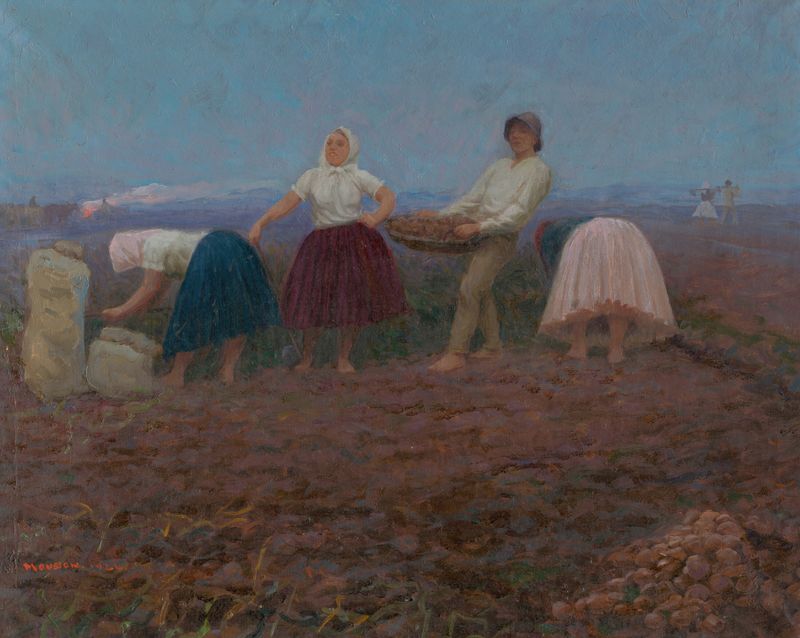
Is this a mirror — or a memory? In Samota Nyírszégu, a haunting stillness envelops the viewer, inviting reflection on the nature of absence and the echoes of what once was. Look to the left, where an ethereal landscape unfurls, dominated by soft hues of blue and gray. The delicate brushwork creates a gentle mist, blurring the lines between reality and imagination. The horizon melts into the sky, suggesting both a physical boundary and an emotional distance, while the interplay of light and shadow deepens the sense of solitude.
Every stroke seems to whisper secrets of a place both known and forgotten, urging the eye to wander through spaces of longing. Beneath its serene surface, the painting reveals a poignant tension between the known and the lost. The sparse elements within the composition — a solitary tree, a winding path — evoke feelings of isolation and introspection, as if they stand as remnants of memories fading into the mist. This landscape becomes a vessel for grief, embodying the struggle between the beauty of nature and the ache of absence, urging viewers to confront their own reflections of loss and nostalgia. In 1911, Jozef Teodor Mousson was navigating a transformative period in his life, painting from his studio in Szeged, Hungary.
During this time, he was deeply influenced by the Symbolist movement, drawing inspiration from themes of memory and the subconscious. The world was on the brink of turmoil with the approaching Great War, prompting artists like Mousson to explore solitude and the fragility of existence through their work.
More Artworks by Jozef Teodor Mousson
Browse all →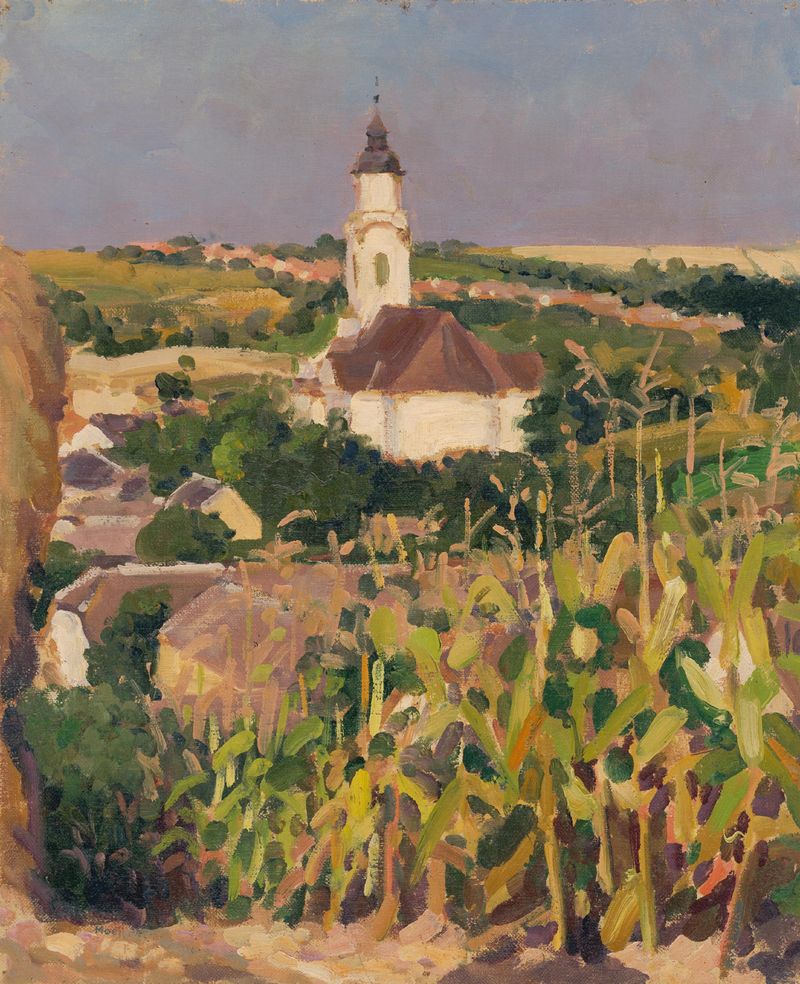
Eastern Slovakia Village
Jozef Teodor Mousson
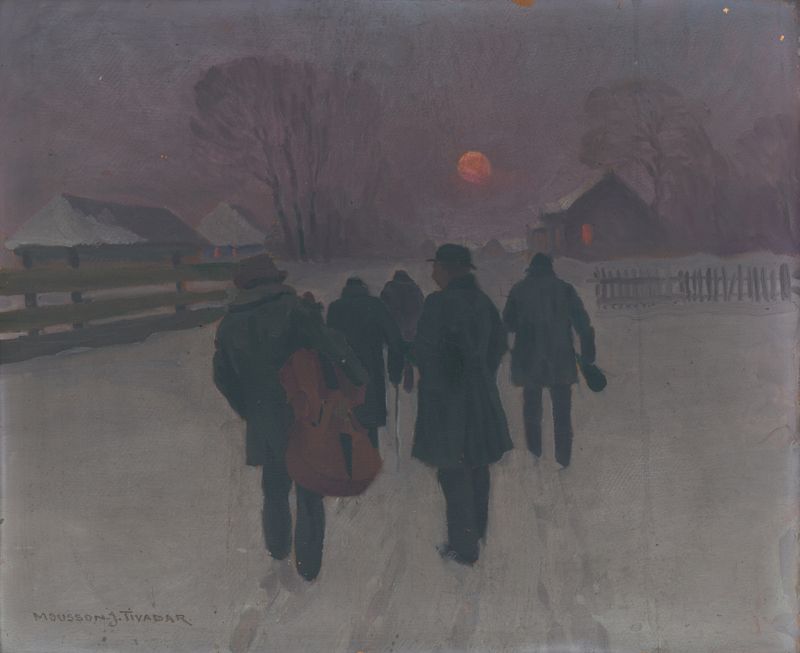
Musicians Returning in the Early Morning through Snowed Landscape
Jozef Teodor Mousson

Na pobreží
Jozef Teodor Mousson

V zime na dedine
Jozef Teodor Mousson

Trh v Michalovciach II.
Jozef Teodor Mousson
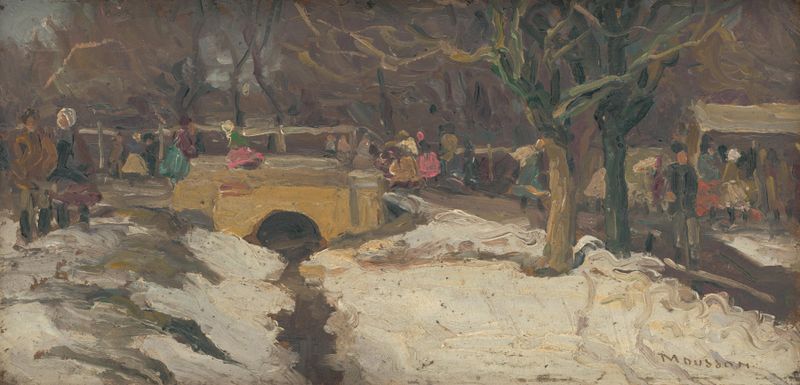
Market
Jozef Teodor Mousson
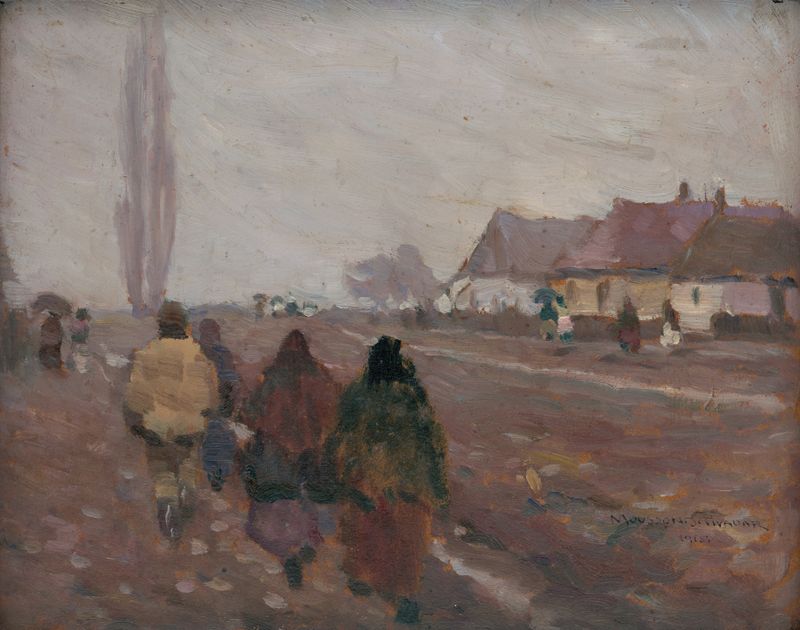
On the Road from the Michalovice Market
Jozef Teodor Mousson

Potato Digging
Jozef Teodor Mousson

Na dedine
Jozef Teodor Mousson
Potato picking
Jozef Teodor Mousson





