
San Gimignano — History & Facts
No one knows exactly when or why Hermann Lismann painted San Gimignano, and this mystery has become part of its allure. Unlike many cityscapes, the work has no clear commission or recorded patron, and its date remains uncertain, leaving scholars to piece together its origins from style and subject alone. The painting’s focus on the ancient towers of San Gimignano—often called the “medieval Manhattan” for its skyline—suggests a fascination with the town’s unique silhouette, which has captivated travelers and artists for centuries.
Some have speculated that Lismann visited the Tuscan town during a broader wave of early 20th-century interest in Italian hill towns, but no diary or letter has surfaced to confirm this. The scene Lismann chose captures San Gimignano at a quiet hour, its famous stone towers rising against a pale sky, clustered together yet distinct. The eye is drawn upward, following the vertical thrust of the buildings, a motif that echoes the town’s medieval rivalry as noble families competed to build the tallest tower. The play of light and shadow across the stone façades hints at the passage of time, while the narrow streets below recede into cool shadow, inviting viewers to imagine the life within.
Unlike the bustling market scenes of Canaletto or the romantic ruins of Corot, Lismann’s vision is one of stillness and structure, focusing on the enduring geometry of the place rather than its inhabitants. Little is known of the painting’s early life; no records trace its journey through collections or exhibitions, and it remains unclear whether it was ever shown in Lismann’s lifetime. Today, San Gimignano stands as a testament to the artist’s interest in architecture and landscape, themes that recur throughout his known works. The painting’s anonymity in terms of date and medium has not diminished its appeal, and it is now recognized as a quietly significant piece within Lismann’s oeuvre.
Hanging in an online gallery, it continues to invite questions about both its subject and its maker, embodying the enduring fascination of San Gimignano itself.
More Artworks by Hermann Lismann

Reclined woman
Hermann Lismann
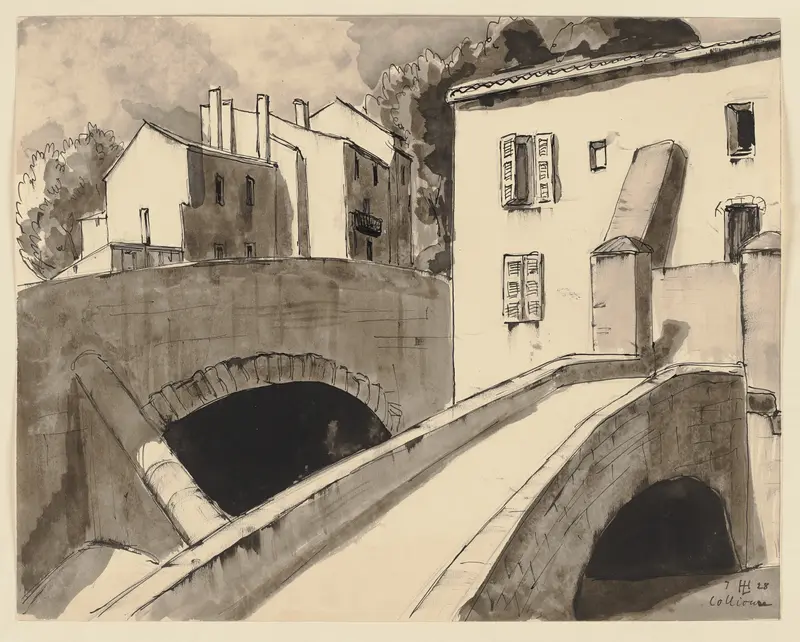
Collioure
Hermann Lismann
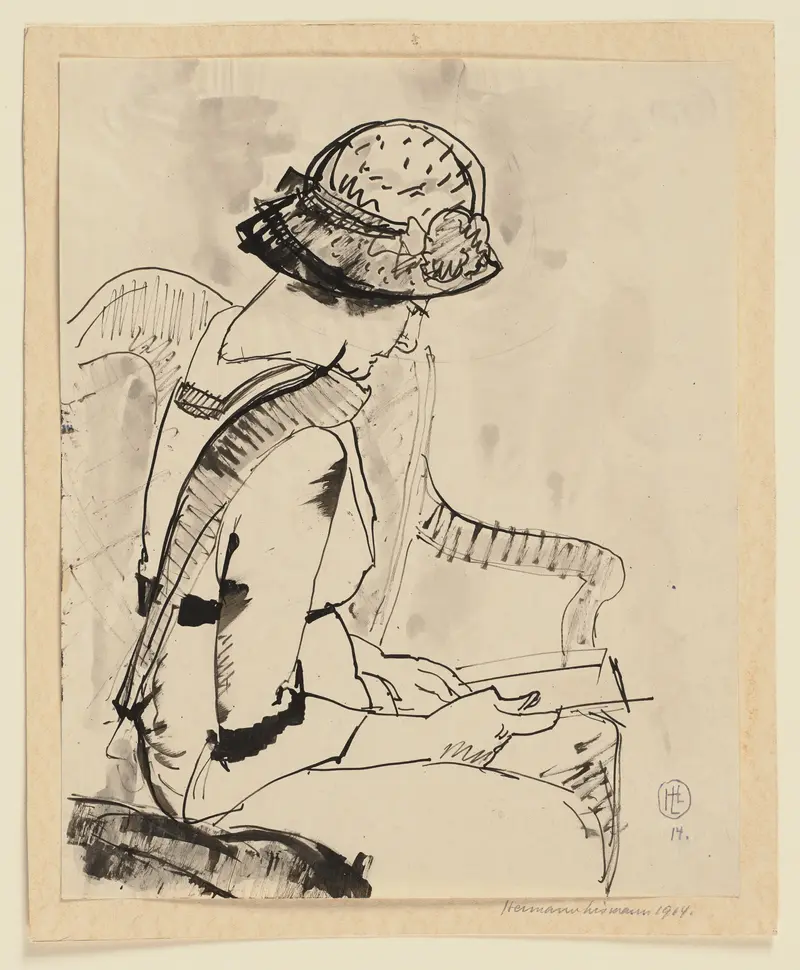
Lesende Frau im Profil nach rechts
Hermann Lismann
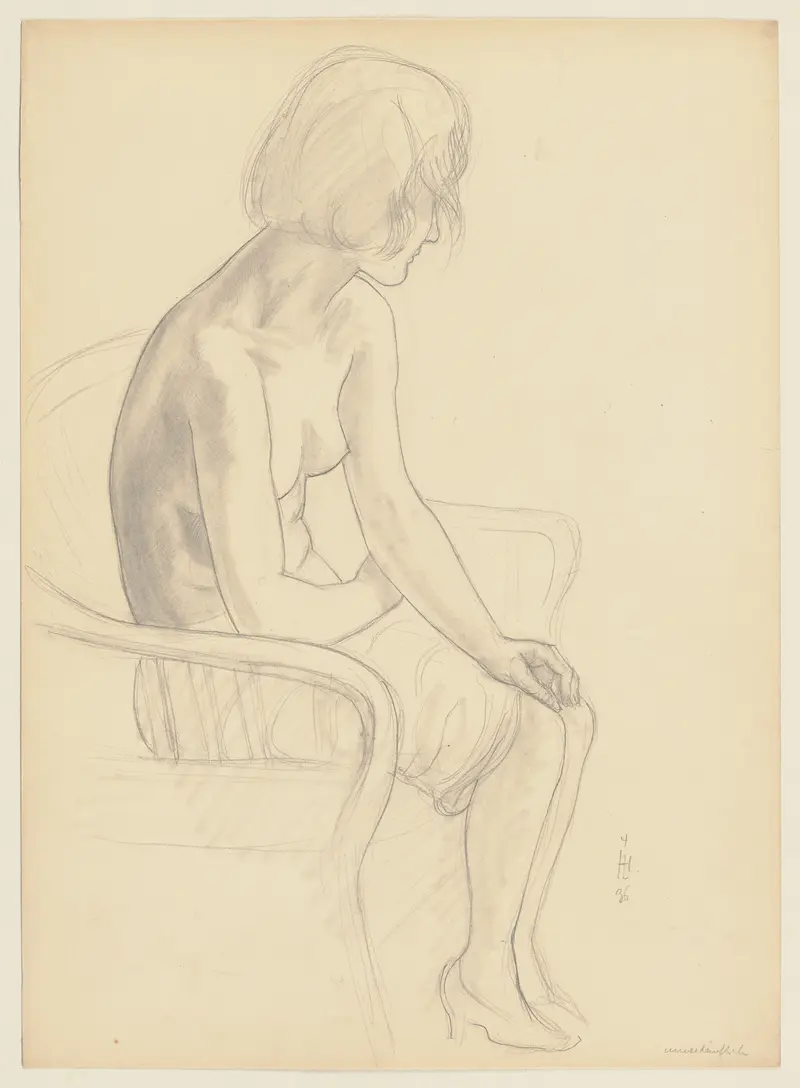
Sitzender Frauenakt auf einem Stuhl
Hermann Lismann
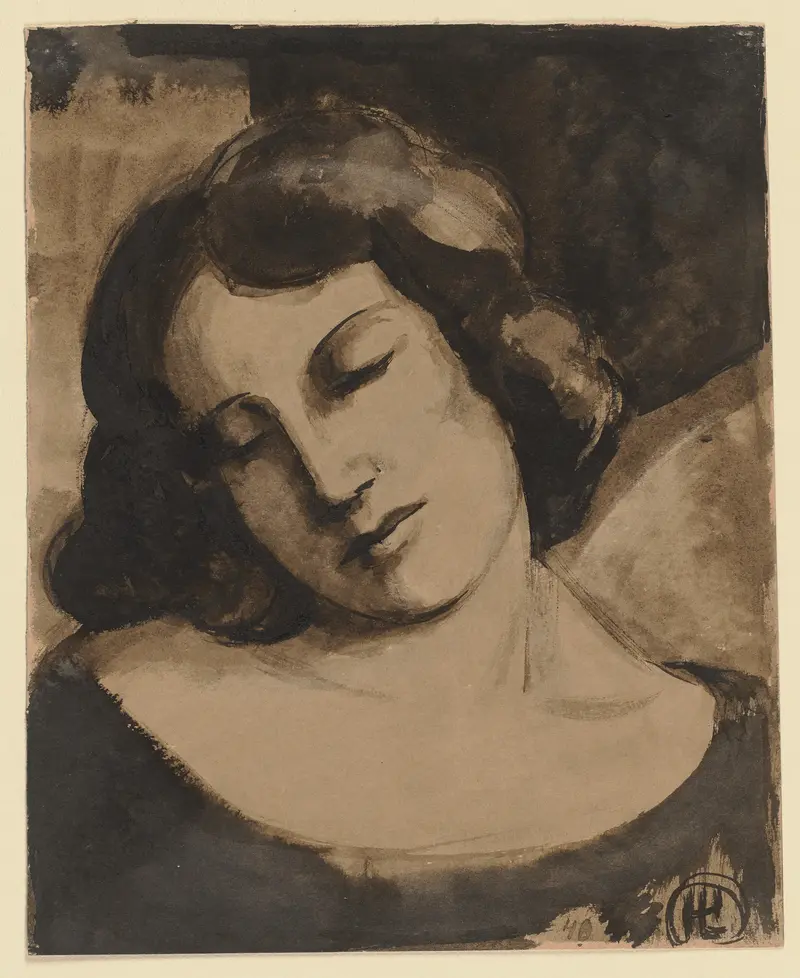
Frauenkopf mit geschlossenen Augen
Hermann Lismann
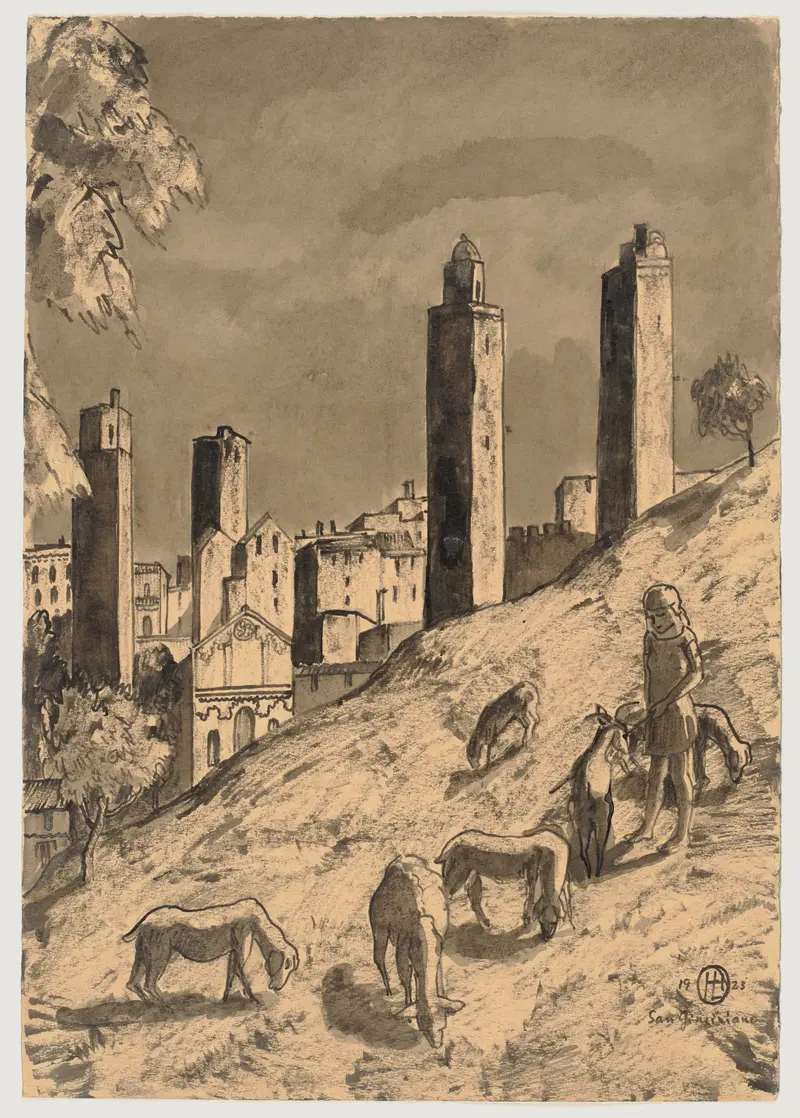
San Gimignano
Hermann Lismann
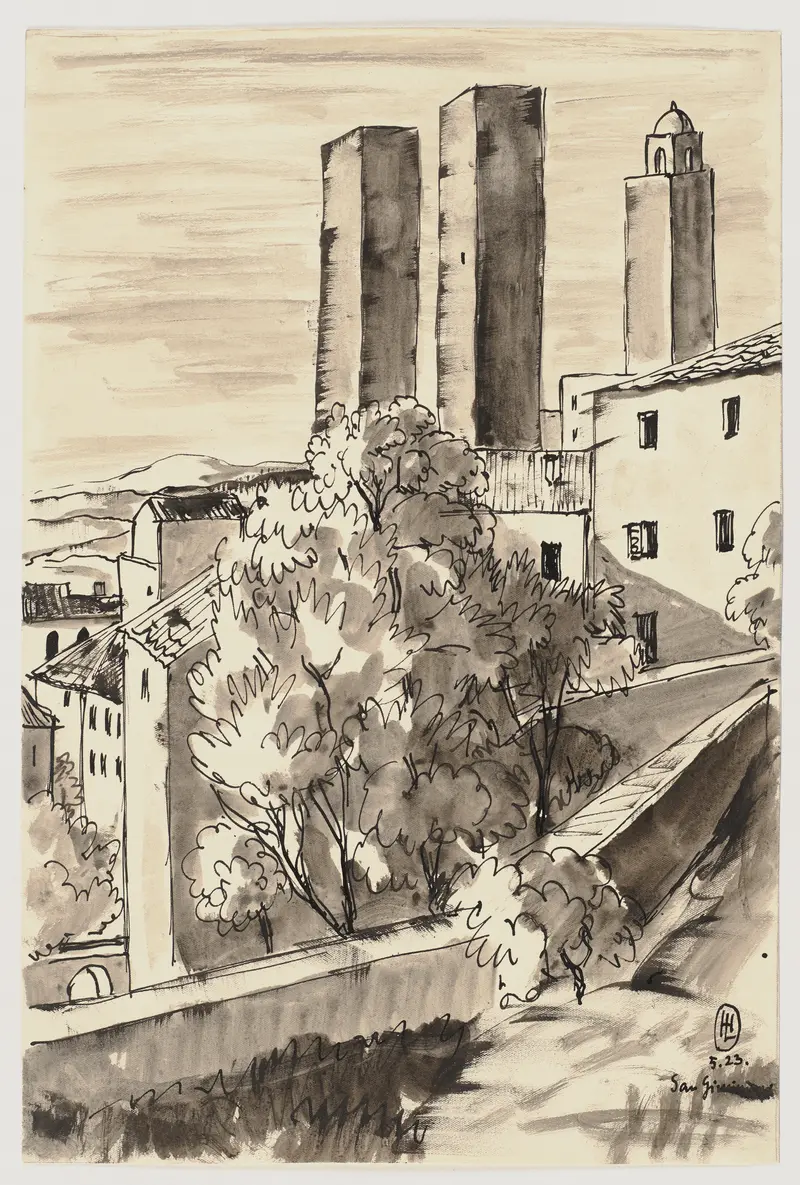
San Gimignano
Hermann Lismann
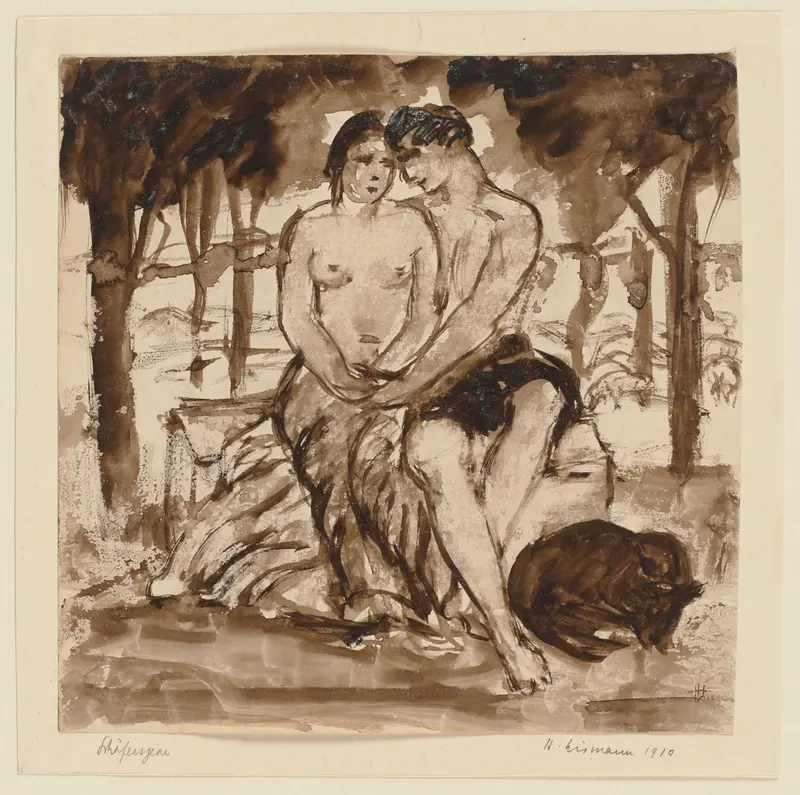
Schäferszene; Paar mit nacktem Oberkörper unter Bäumen sitzend, neben ihnen ein Hund
Hermann Lismann
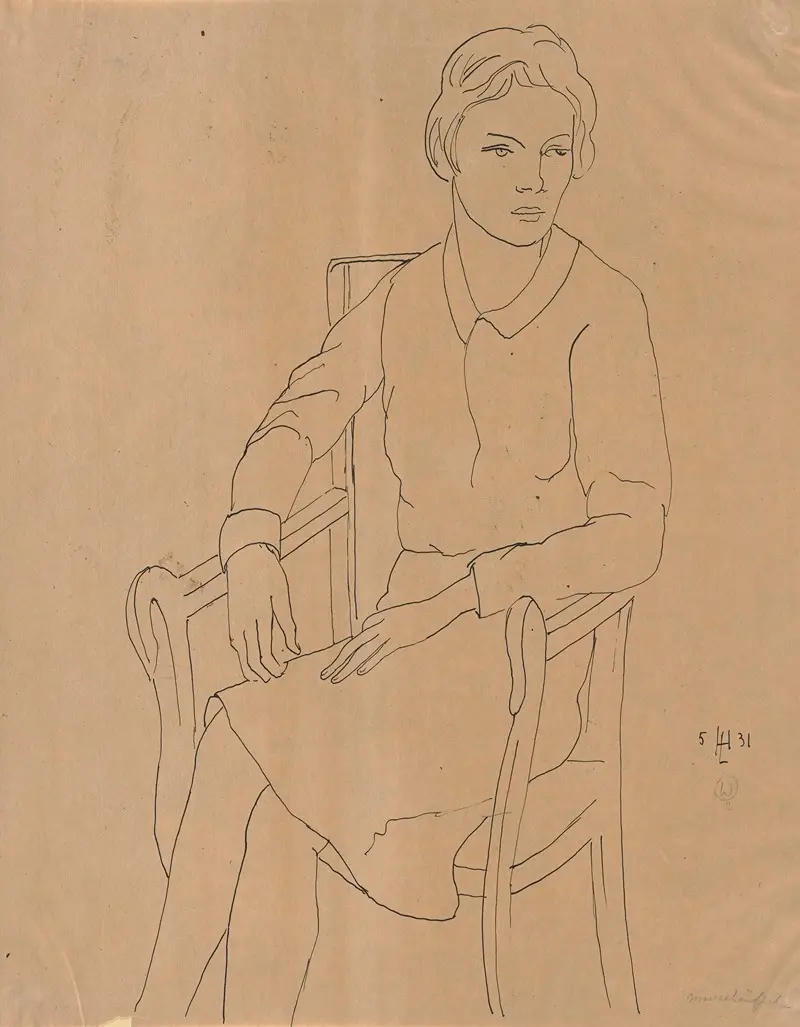
Sitzende Frau auf einem Stuhl
Hermann Lismann
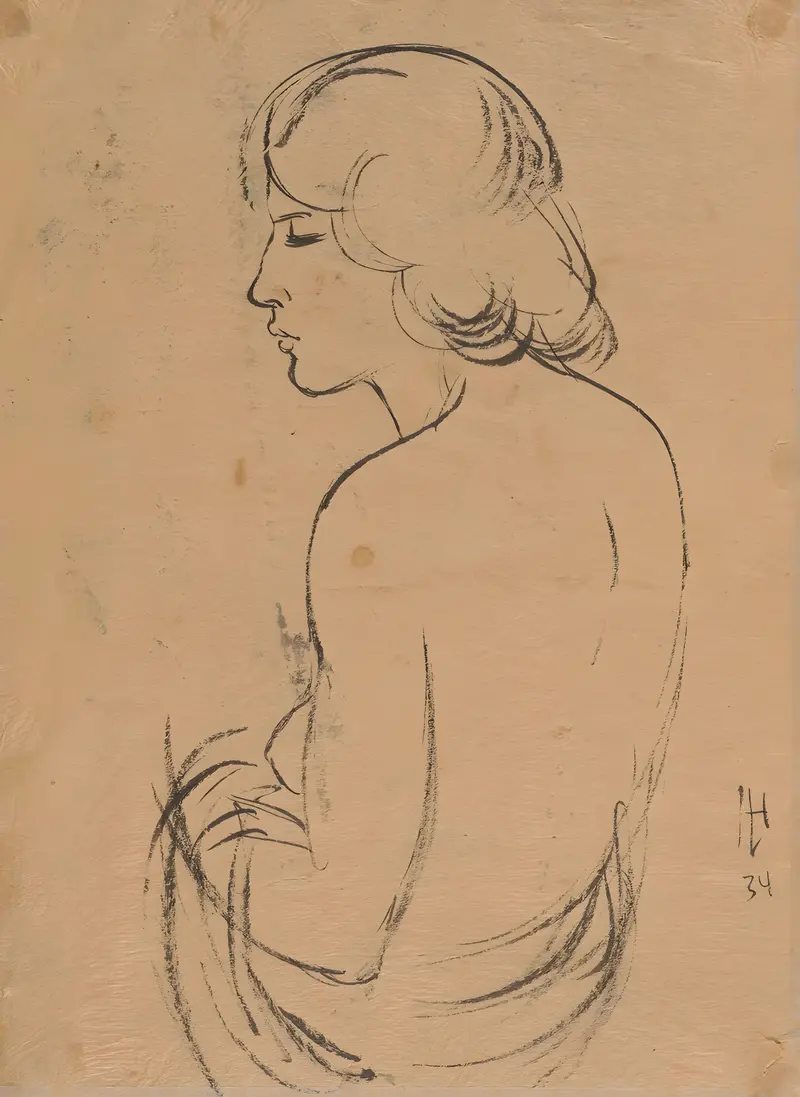
Frauenakt im Profil nach links
Hermann Lismann





