San Michele am Gardasee — History & Facts
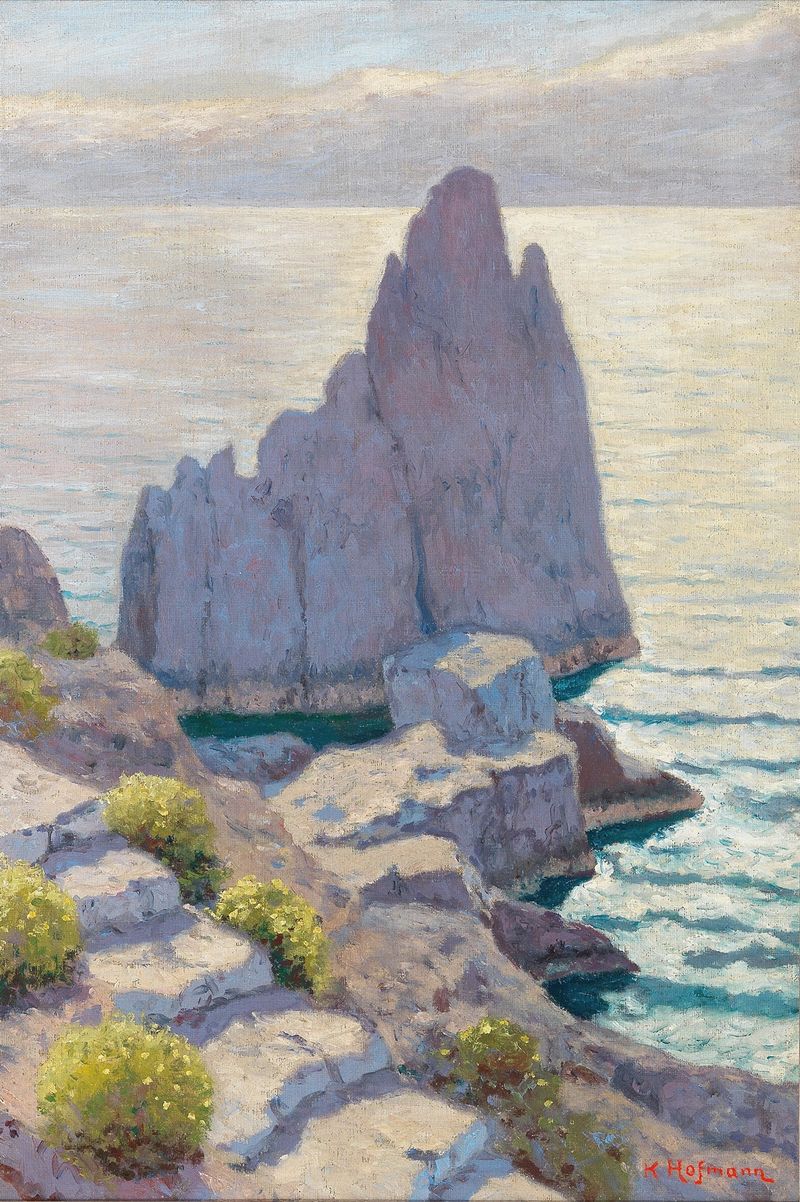
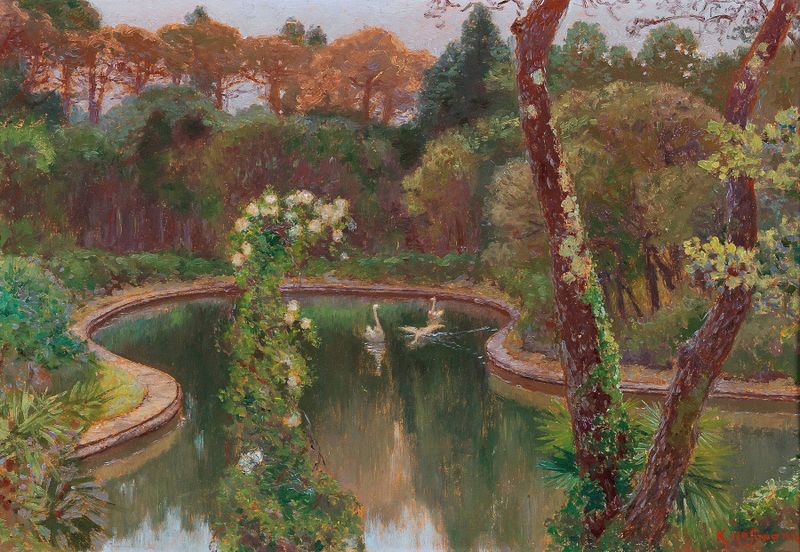
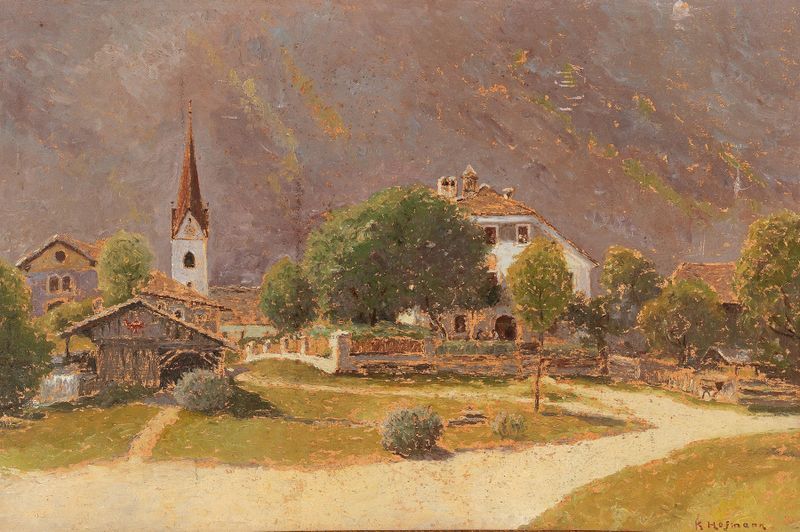
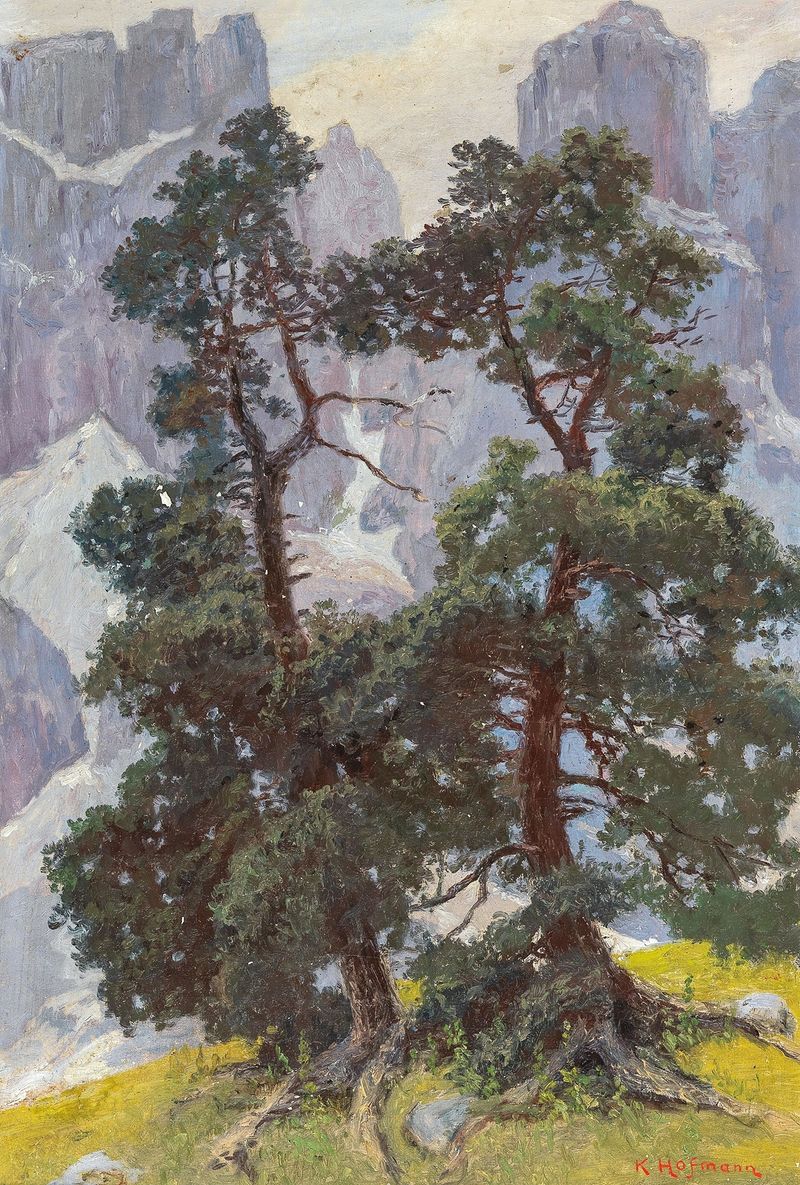
What secret hides in the quiet of the canvas? In the stillness of San Michele am Gardasee, a sense of nostalgia echoes, drawing the viewer into a world where time feels suspended, inviting reflection and reverie. Look to the serene lake, its surface a mirror reflecting the soft hues of dusk. Notice how the delicate interplay of light and shadow bathes the distant mountains in a warm, golden glow, creating an ethereal backdrop that frames the quaint village. The subtle brushstrokes craft a harmonious composition, pulling the eye toward the quaint architecture nestled at the water's edge, while the gentle ripples suggest an unspoken history woven into the landscape. The artwork speaks of contrasts — the tranquil water against the rugged mountains evokes a feeling of both peace and isolation.
The muted colors hint at lost memories, reflecting a yearning for simpler times, while the silhouettes of the buildings suggest the presence of life, yet their stillness conveys a profound solitude. This duality invites contemplation of personal experiences, as if each viewer might find their own story entwined with the scene before them. Created during a time when Hofmann sought solace in the beauty of nature, San Michele am Gardasee emerged from his explorations in Italy, where he found inspiration in the serene landscapes. The late 19th century was a period of artistic transition, marked by a growing interest in impressionism, which urged artists to capture the essence of a moment.
Hofmann, in this context, found a balance between realism and a poetic interpretation of his surroundings.