Sella Group — History & Facts
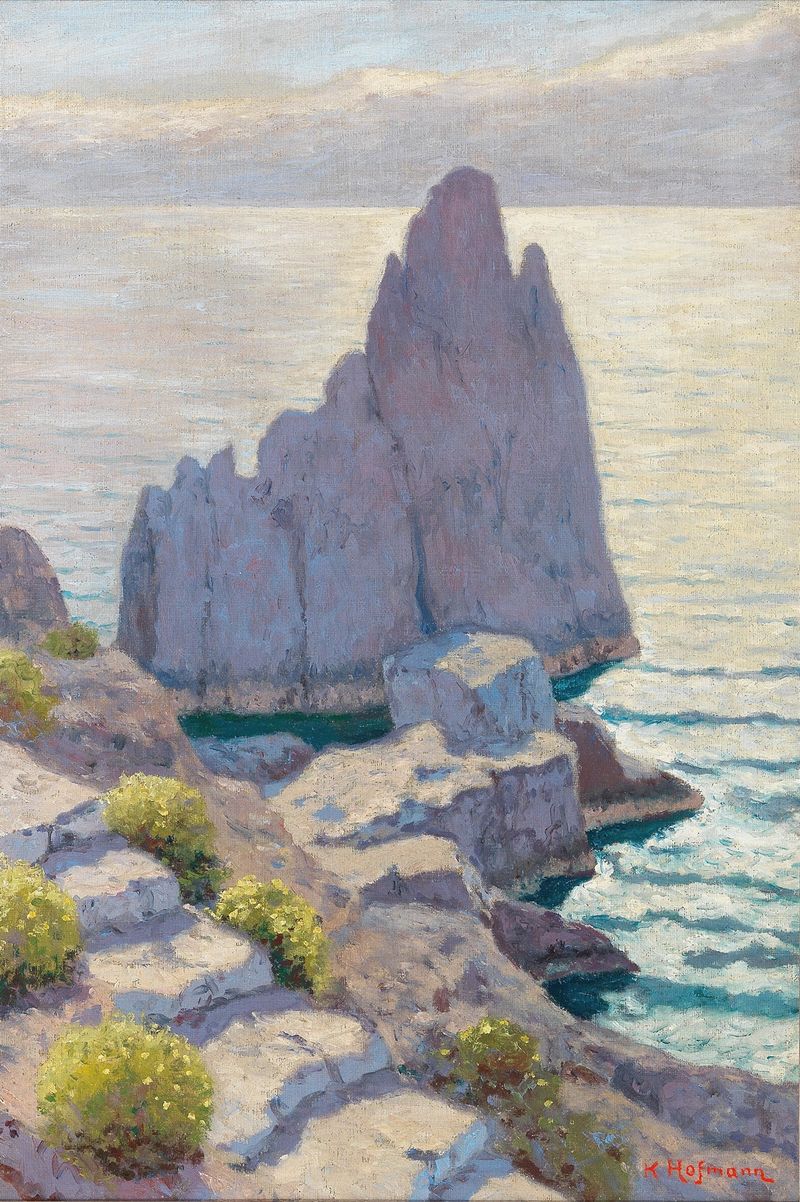
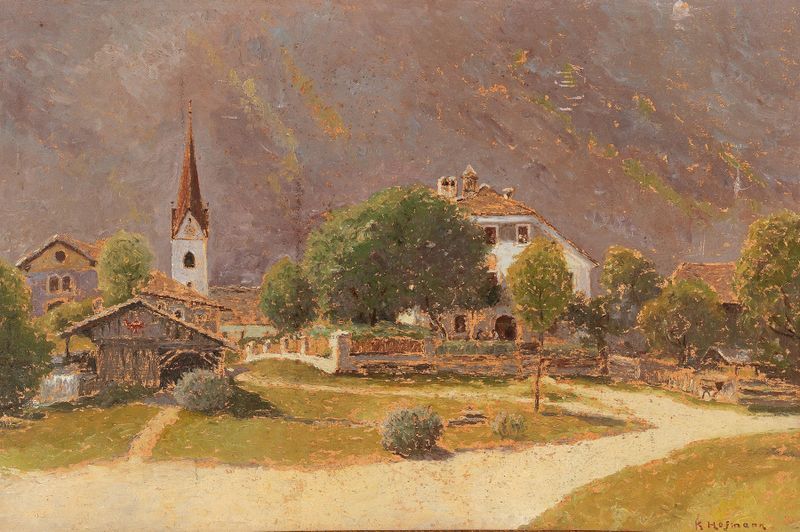
Who listens when art speaks of silence? In Sella Group, the void holds a conversation, inviting us to engage with the emptiness and stillness that envelops the landscape. Look towards the horizon, where the jagged outlines of the Sella Group rise against a muted sky. The palette is a whisper of muted blues and greys, expertly blending together to create a sense of tranquility. The composition draws your eyes upward, contrasting the solid earth with the ethereal atmosphere.
Notice how the gentle strokes of the brush suggest both solidity and transience, evoking a sense of wonder about the mountains that stand watch over the quiet valley below. The painting evokes a feeling of solitude, yet it teems with untold stories. The vast expanse of the void may reflect not only the physical landscape but also the emotional weight of isolation. Each contour seems to capture a moment of stillness, where time pauses, allowing viewers to ponder their existence within these silent giants.
This relationship between the mountains and the emptiness they preside over creates a nuanced tension, prompting reflections on nature's majesty and our place within it. Karl Hofmann painted Sella Group during a period when he was exploring the interplay between abstraction and realism in his work. Though the exact date remains unrecorded, it is believed to be created in the early 20th century, a time when European art was shifting towards modernism. This was a period of introspection for Hofmann, as he sought to distill the essence of landscapes, emphasizing their emotional impact and spiritual resonance.