
Santa Lucia, A Convent near Caserta — History & Facts
What secret hides in the quiet of the canvas? In Santa Lucia, A Convent near Caserta, the interplay of light and shadow illuminates not only the landscape but also the hopes that dwell within the stillness. Look to the left at the soft, ethereal glow of the sunlight filtering through the wispy clouds, casting a gentle light on the convent's serene façade. Turner uses a delicate palette of pastel hues—soft blues, subtle greens, and whispers of gold—to evoke a sense of tranquility and contemplation. The composition elegantly draws the eye toward the horizon, where the heavens meet the earth, suggesting an endless journey of faith and renewal. Amidst the tranquil beauty lies a poignant contrast; the convent, a symbol of solace and refuge, stands resilient against the encroaching shadows of the landscape.
The delicate brushstrokes convey a sense of transience, mirroring the fleeting nature of hope and the ever-present struggle for peace. The distant mountains loom as silent witnesses, perhaps representing the trials and tribulations that life brings, yet they also cradle the convent in a protective embrace, hinting at the enduring strength of faith. In 1795, Turner was immersed in the vibrant art scene of England, grappling with the transition from neoclassicism to romanticism. Living in London, he was influenced by the emotional depth of his contemporaries while also beginning to carve out his distinct style.
This painting represents a pivotal moment in his career, capturing the delicate balance between the external world and the internal landscapes of human emotion.
More Artworks by Joseph Mallord William Turner
Browse all →
Dort or Dordrecht- The Dort Packet-Boat from Rotterdam Becalmed
Joseph Mallord William Turner
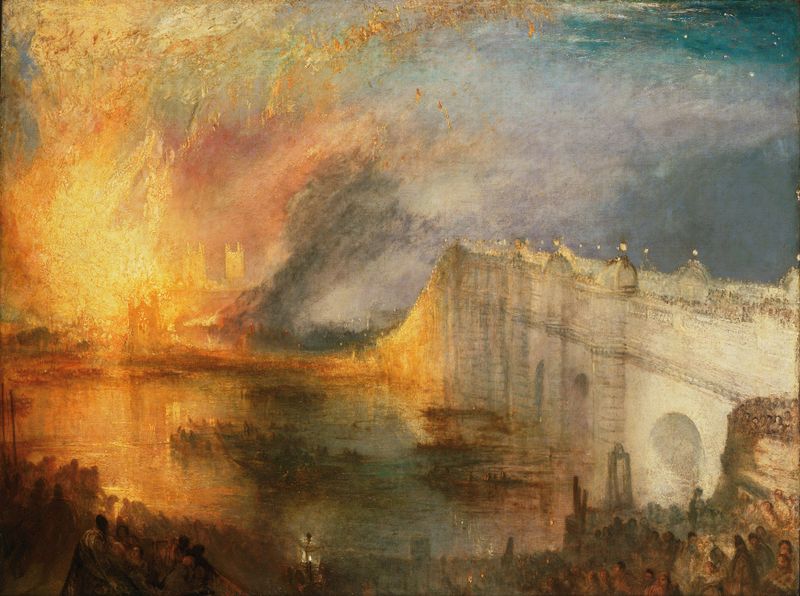
The Burning of the Houses of Lords and Commons, October 16, 1834
Joseph Mallord William Turner
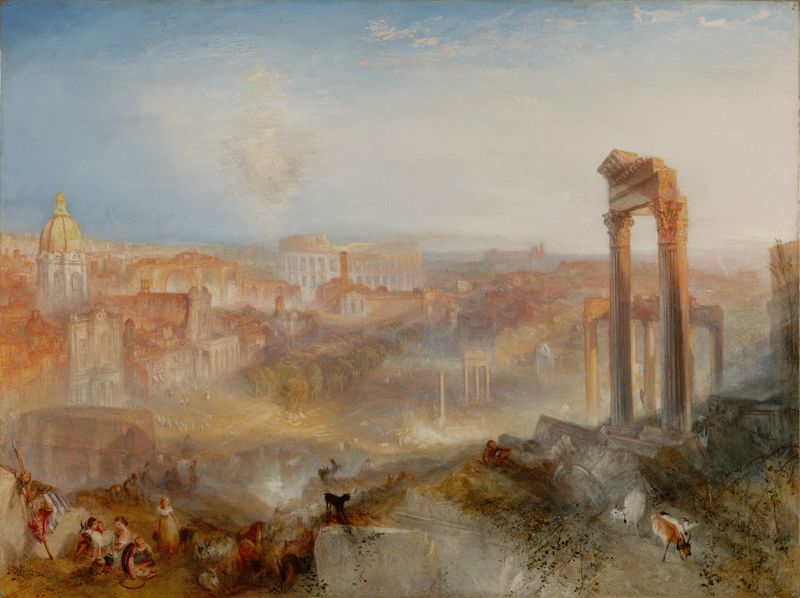
Modern Rome – Campo Vaccino
Joseph Mallord William Turner
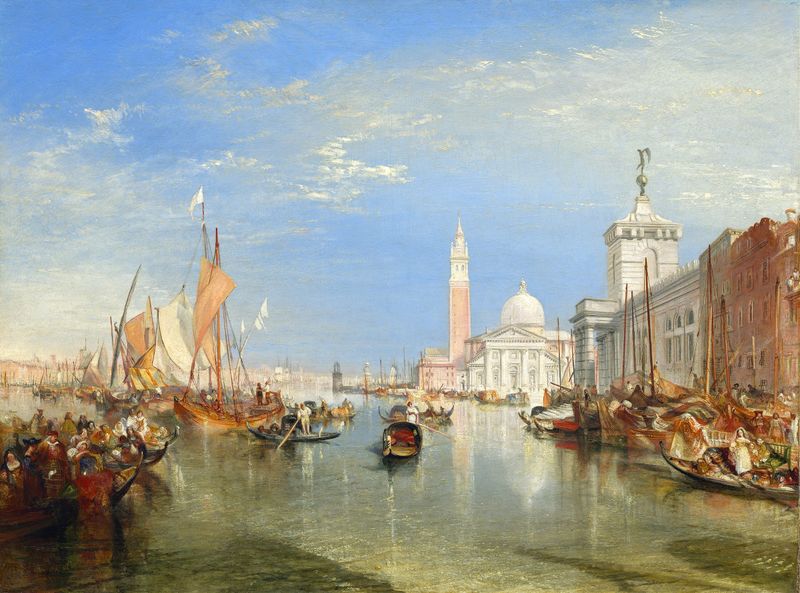
Venice – The Dogana and San Giorgio Maggiore
Joseph Mallord William Turner

The Burning of the Houses of Lords and Commons, 16 October 1834
Joseph Mallord William Turner
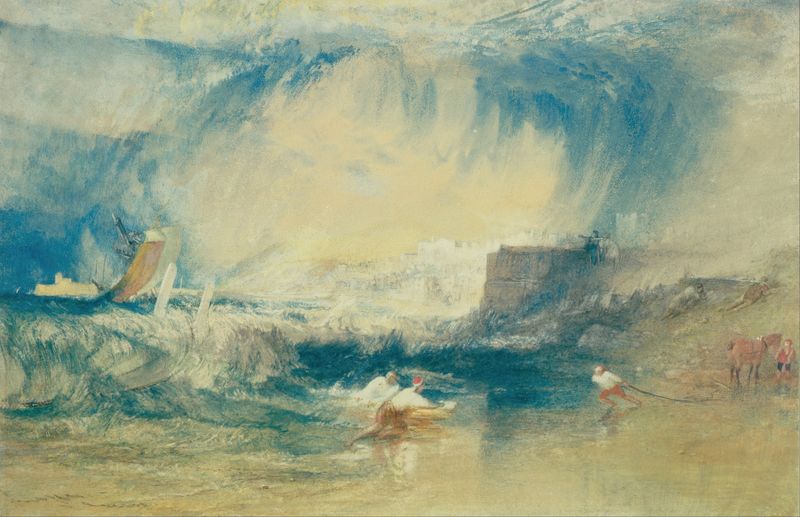
Lyme Regis, Dorsetshire, England
Joseph Mallord William Turner
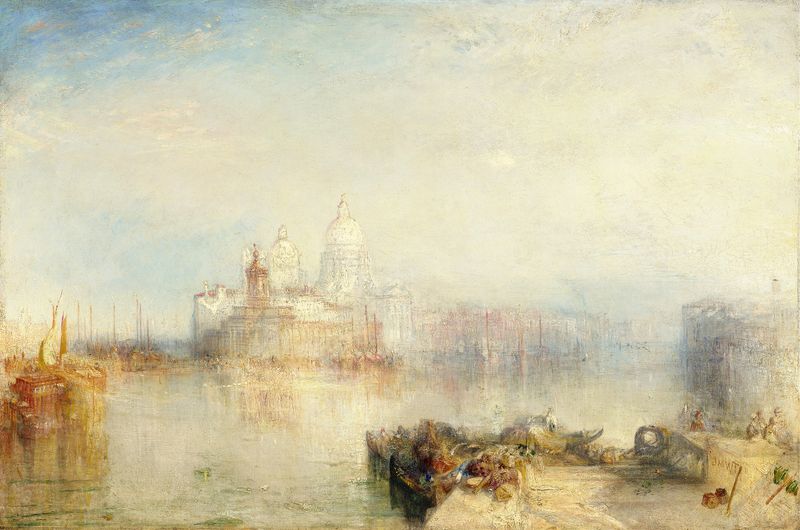
The Dogana and Santa Maria della Salute, Venice
Joseph Mallord William Turner
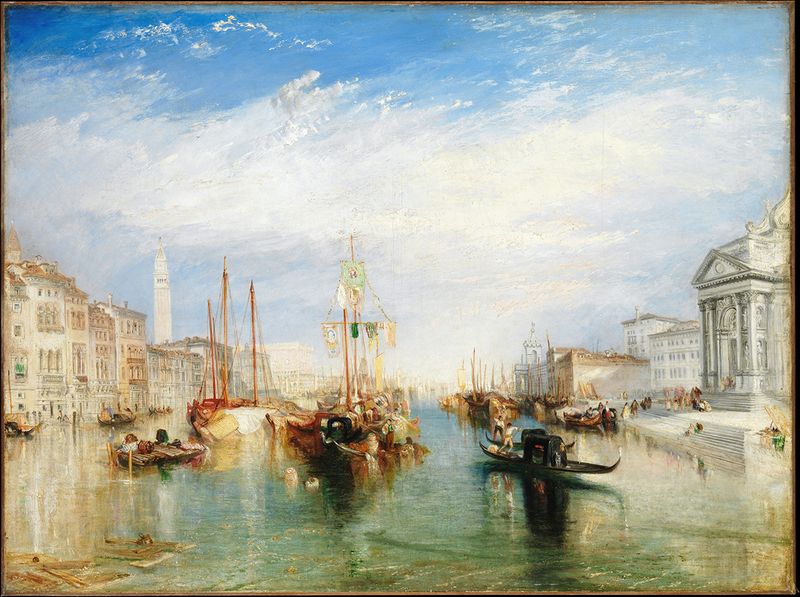
Venice, from the Porch of Madonna della Salute
Joseph Mallord William Turner
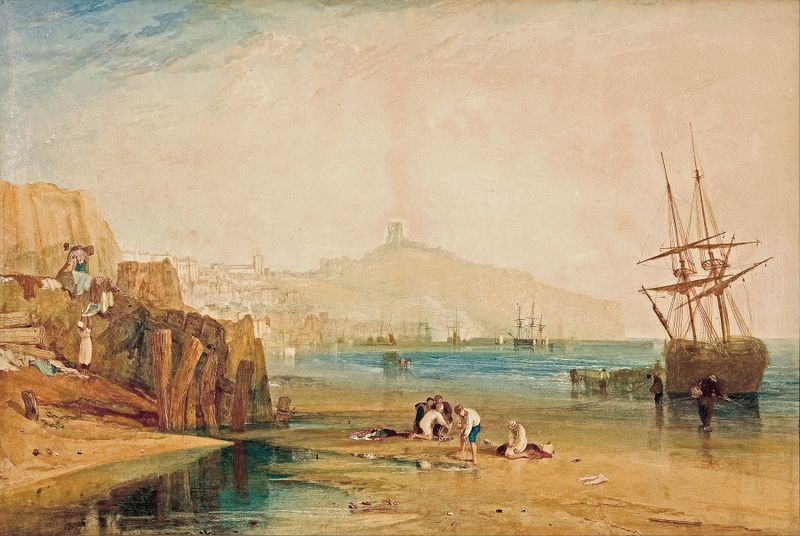
Scarborough town and castle; morning; boys catching crabs
Joseph Mallord William Turner
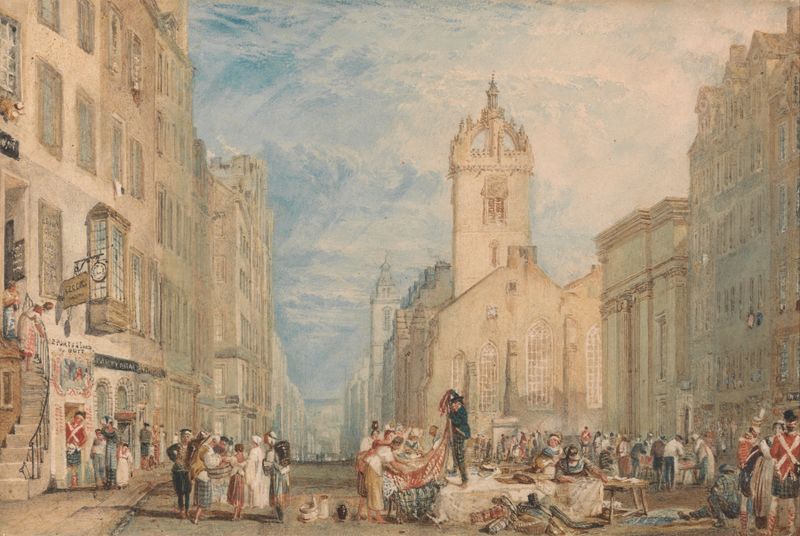
High Street, Edinburgh
Joseph Mallord William Turner





