
Santa Maria dei Miracoli in Brescia — History & Facts
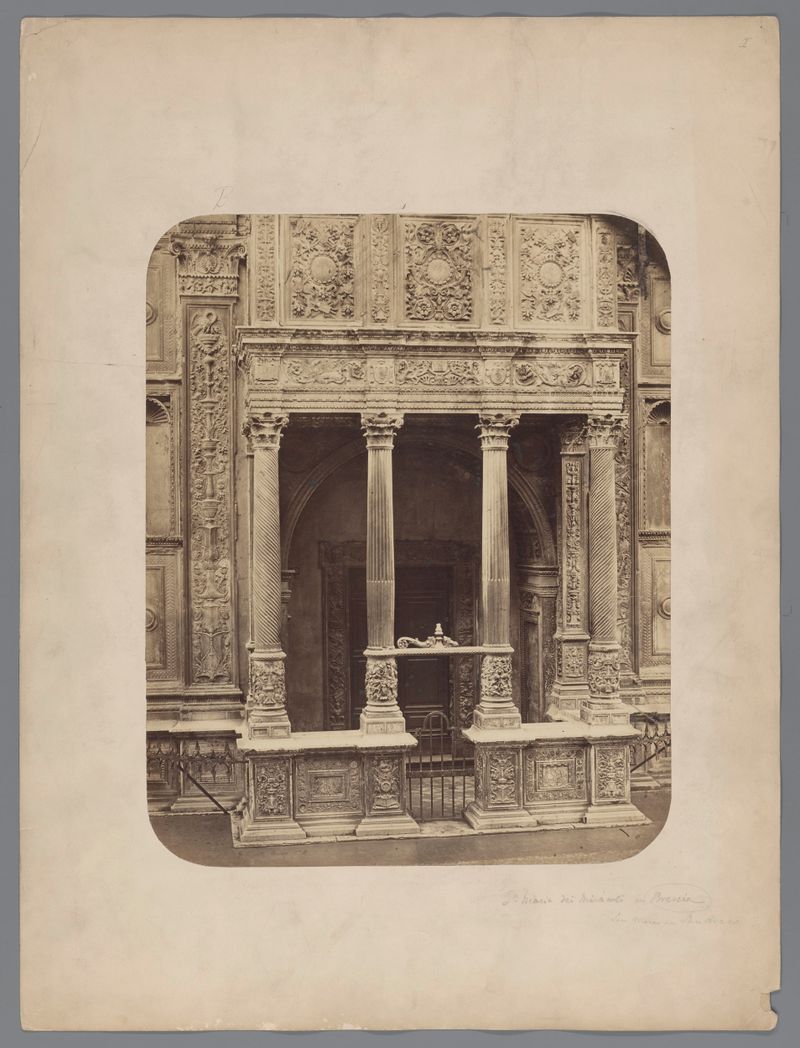
When did color learn to lie? The shimmering hues of the Santa Maria dei Miracoli in Brescia beckon us into a world where divine architecture meets the ethereal dance of light and shadow. Here, Rossetti captures the essence of the sacred, inviting viewers to ponder the truth beneath the surface. Look to the center, where the façade of the church stands majestic, adorned with a mosaic of intricate details. The warm tones of ochre and soft whites blend seamlessly, while the cool blues in the sky create a contrast that emphasizes the structure's elegance.
Notice how the play of light highlights the delicate carvings, bringing forth a palpable sense of reverence that invites contemplation. Each brushstroke breathes life into the stone, transforming the physical into the spiritual. Beneath the serene appearance lies a deep emotional tension between man and divinity. The church, with its ornate decorations, symbolizes the human yearning for connection to something greater, yet the shadows creeping along its base hint at the fragility of faith.
The vibrant colors of the scene, while alluring, may also reflect the complexities of belief, suggesting that even divinity can be cloaked in illusion. Here, the artist skillfully intertwines the sensory with the spiritual, urging us to explore what lies beyond the visible. Giacomo Rossetti painted this piece between 1870 and 1885, during a pivotal time in Italian art, where the movement towards realism began to flourish. Living and working in Brescia, Rossetti was influenced by the burgeoning interest in capturing the authenticity of sacred spaces amidst the changing landscapes of society and faith.
His work stands as a testament to the era’s tension between tradition and innovation within the artistic community.
More Artworks by Giacomo Rossetti
Browse all →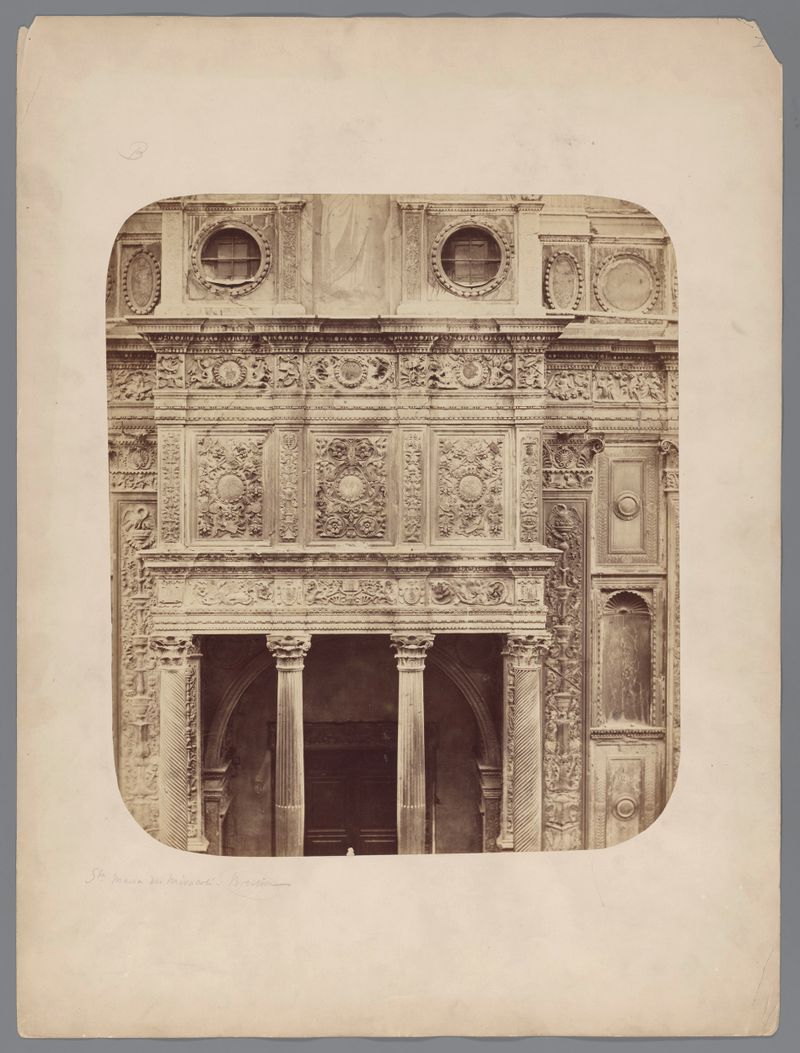

More Architecture Art
Browse all →
The statue of Liberty
Frédéric Auguste Bartholdi

View of Houses in Delft, Known as ‘The Little Street’
Johannes Vermeer

View of Houses in Delft, Known as ‘The Little Street’
Johannes Vermeer

The Cathedral in Rouen. The portal, Grey Weather
Claude Monet

The yellow house
Vincent van Gogh

The Church in Auvers-sur-Oise, View from the Chevet
Vincent van Gogh