
Santa Maria dei Miracoli, Brescia — History & Facts
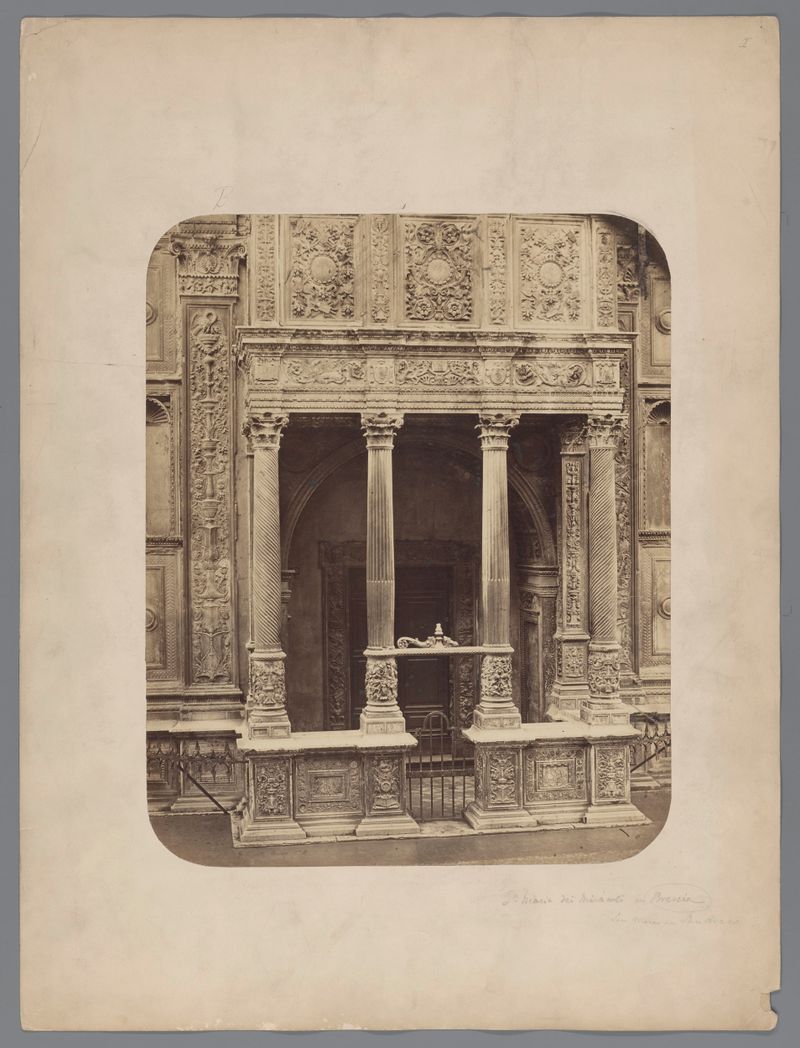
Within the serene confines of Santa Maria dei Miracoli, a profound silence lingers, whispering the solitude of moments captured in time. The intricate details engraved upon the façade echo a longing for connection, yet the isolation within its beauty is palpable, inviting yet distant. Look closely at the ornate archways and the delicate carvings that frame the entrance. Notice how the light filters through the intricate designs, casting soft shadows that dance across the cobblestones.
The pastel hues of the frescoes invite your gaze upward, drawing you into the cathedral's celestial embrace. Each brushstroke carries the weight of both reverence and melancholy, as the colors blend harmoniously, contrasting the overwhelming solitude with a sense of ethereal grace. Beneath the surface of this architectural marvel lies a profound emotional tension. The juxtaposition of intricate detail against the vast emptiness of the surrounding space speaks to the loneliness inherent in beauty.
Each carved figure seems to reach out yet remain untouched, embodying a yearning for connection that is never fully realized. This interplay between grandeur and solitude emphasizes the complexity of human experience, where beauty can evoke both awe and a deep sense of isolation. Created around 1873, this work reflects Giacomo Rossetti’s deep engagement with the architectural and cultural landscape of Brescia. During this period, Italy was undergoing significant changes, with a growing interest in national identity and heritage.
Rossetti’s focus on capturing the intimate relationship between spirituality and solitude in Santa Maria dei Miracoli illustrates his desire to preserve the essence of a rapidly transforming world, marking a poignant moment in the history of art and architecture.
More Artworks by Giacomo Rossetti
Browse all →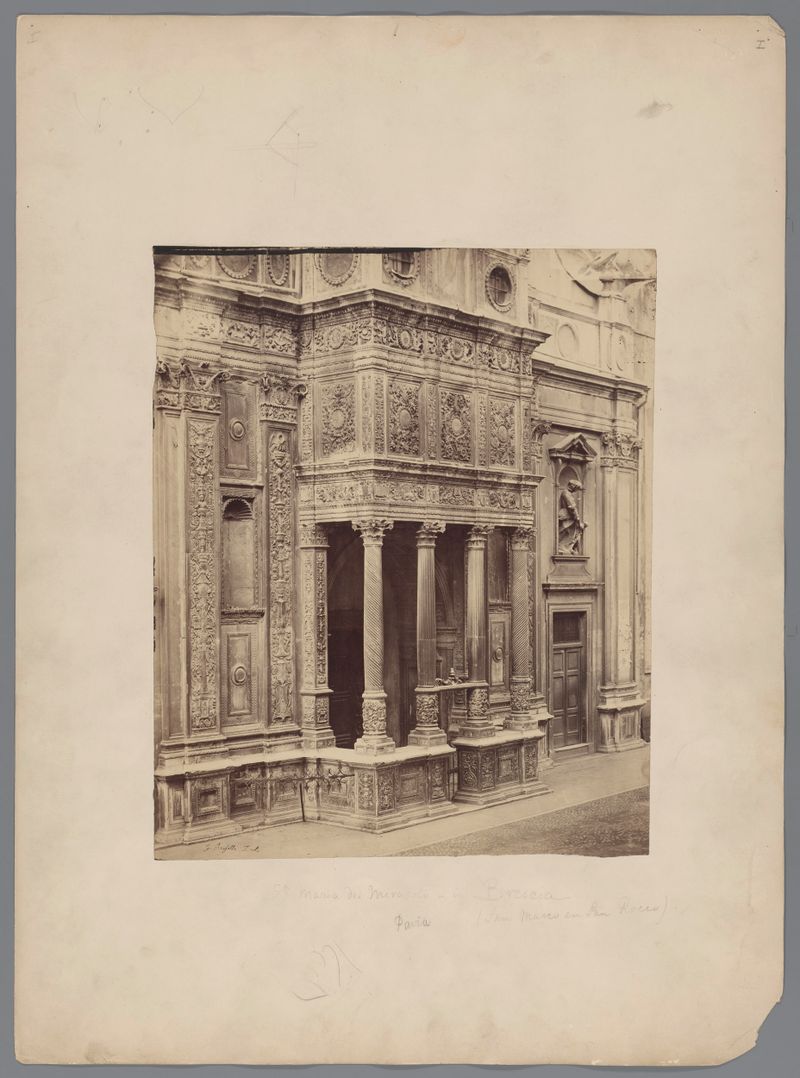

More Architecture Art
Browse all →
The statue of Liberty
Frédéric Auguste Bartholdi

View of Houses in Delft, Known as ‘The Little Street’
Johannes Vermeer

View of Houses in Delft, Known as ‘The Little Street’
Johannes Vermeer

The Cathedral in Rouen. The portal, Grey Weather
Claude Monet

The yellow house
Vincent van Gogh

The Church in Auvers-sur-Oise, View from the Chevet
Vincent van Gogh