Saving the shipwrecks — History & Facts
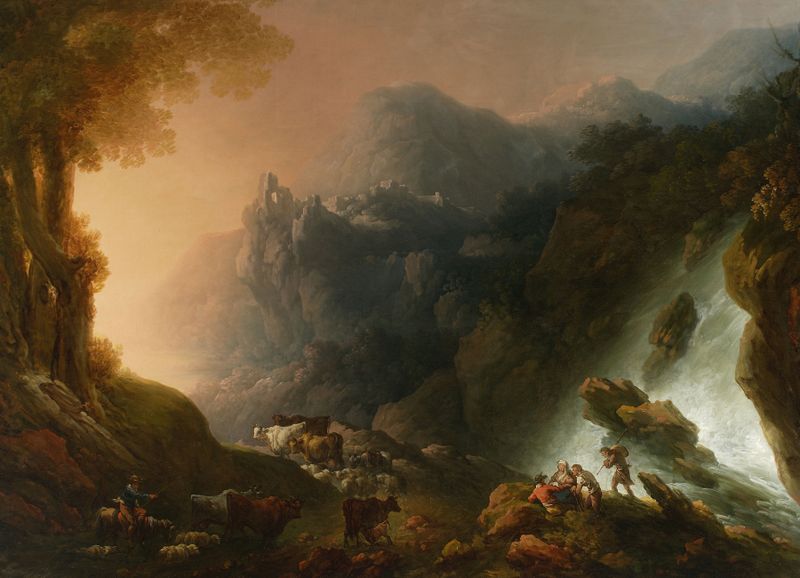
When did color learn to lie? In the vibrant brushstrokes of this work, an ecstatic dance of hues reveals more than mere beauty; it beckons us to explore the depths of truth and illusion. Look to the center at the shipwreck, its tattered sails flapping like desperate hands reaching for salvation. The tumultuous waves, rendered with a vivid blue and white, swirl around the vessel, illustrating nature’s raw power. Notice how the golden light spills from the horizon, creating a striking contrast against the dark, foreboding skies, which hints at both peril and hope.
The composition draws the eye inward, creating a vortex of emotions as the viewer contemplates the fate of those aboard. Delve deeper into the emotional landscape presented; the wrecked ship symbolizes vulnerability amid chaos, capturing the tension between despair and the sheer will to survive. The contrasting colors evoke a sense of duality — ecstasy entwined with agony — as the light and shadow play across the scene. Each brushstroke carries a weight of meaning, suggesting that beauty can emerge even from tragedy, urging the viewer to find resolve in the face of adversity. In 1840, the artist was immersed in the dynamic art scene of Poland, grappling with the aftermath of political upheavals.
Influenced by Romanticism, he sought to capture the human experience through dramatic landscapes and emotional narratives. This work reflects both personal and collective struggles, marrying individual expression with the broader context of his time.