Scene in Berkshire — History & Facts
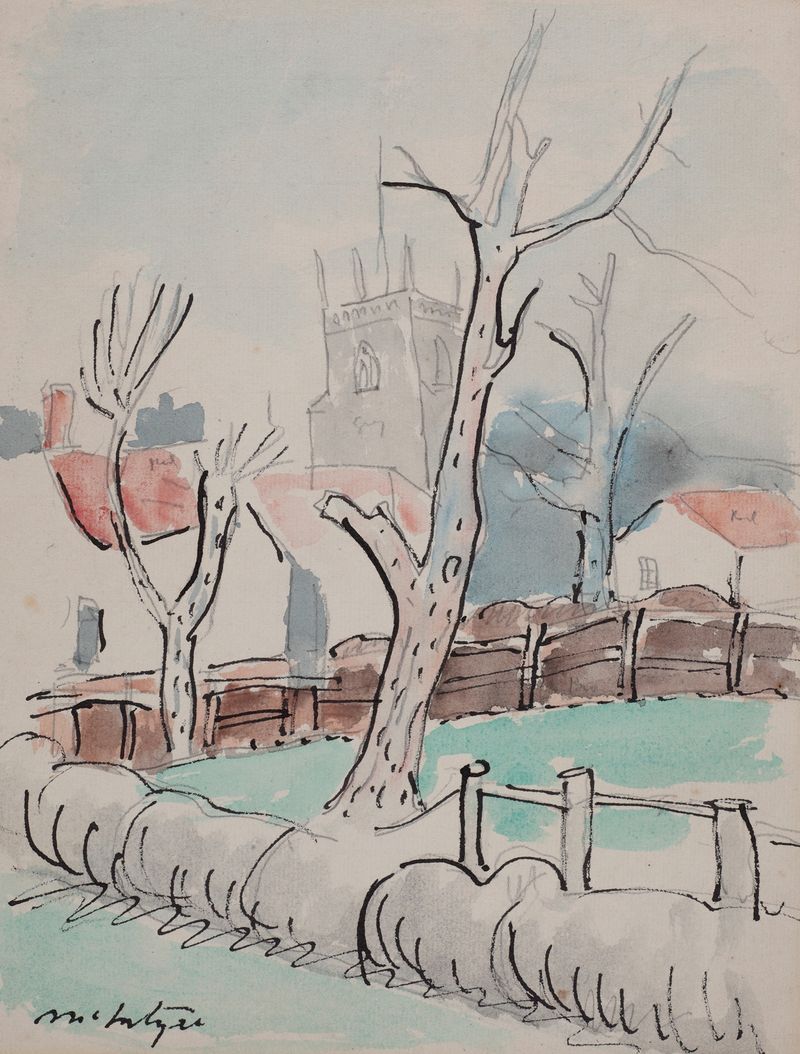
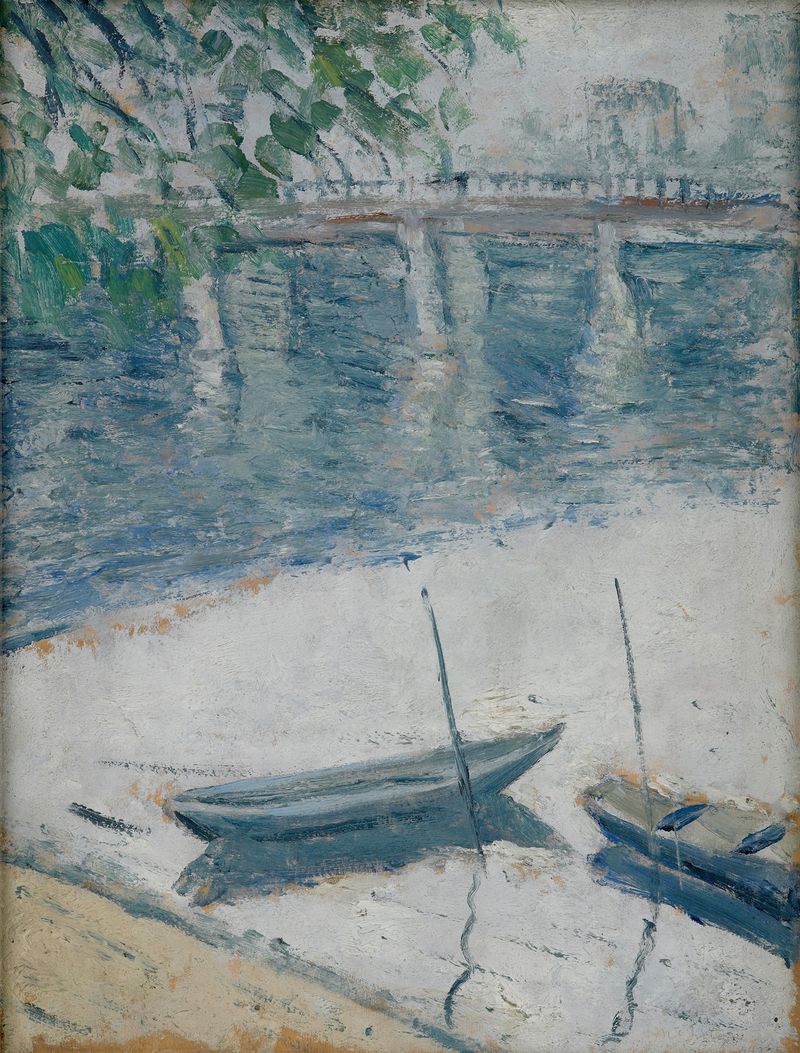
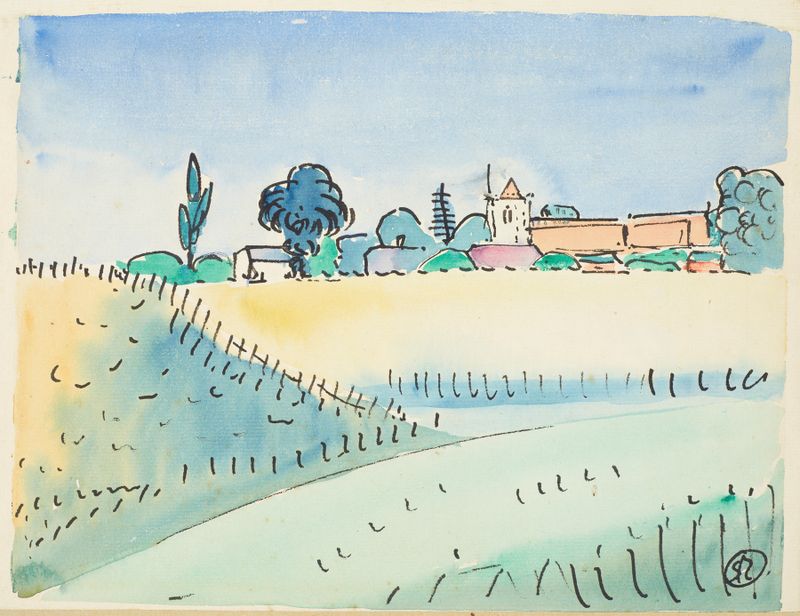
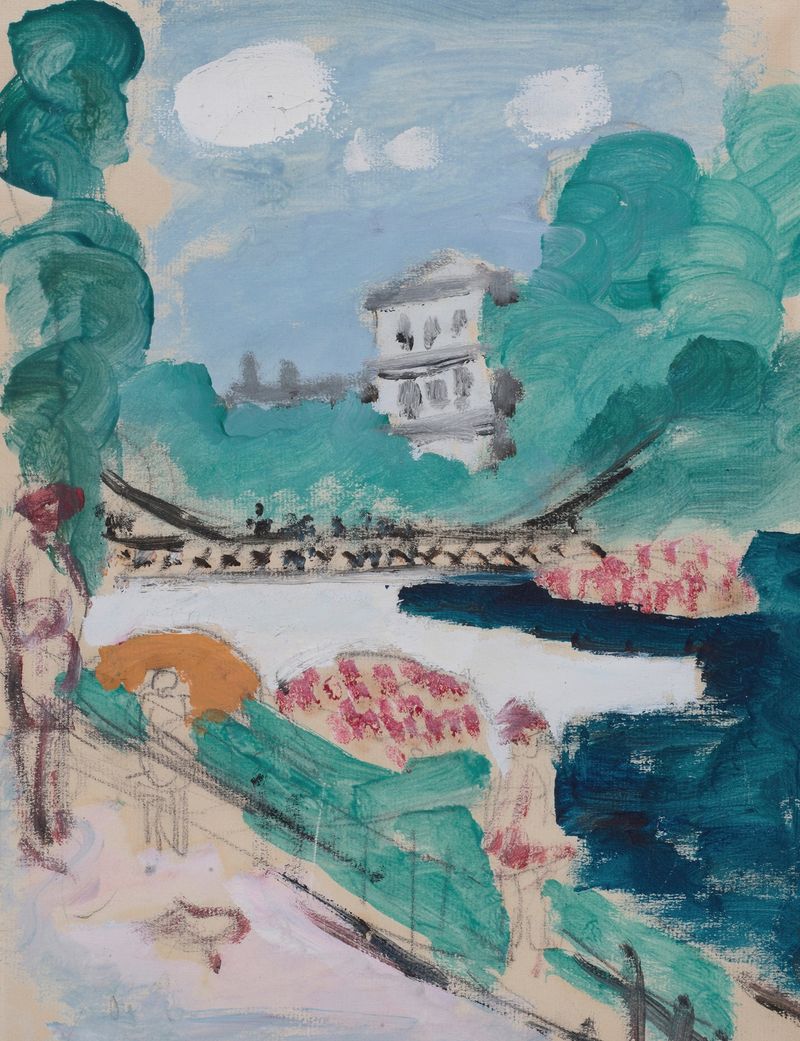
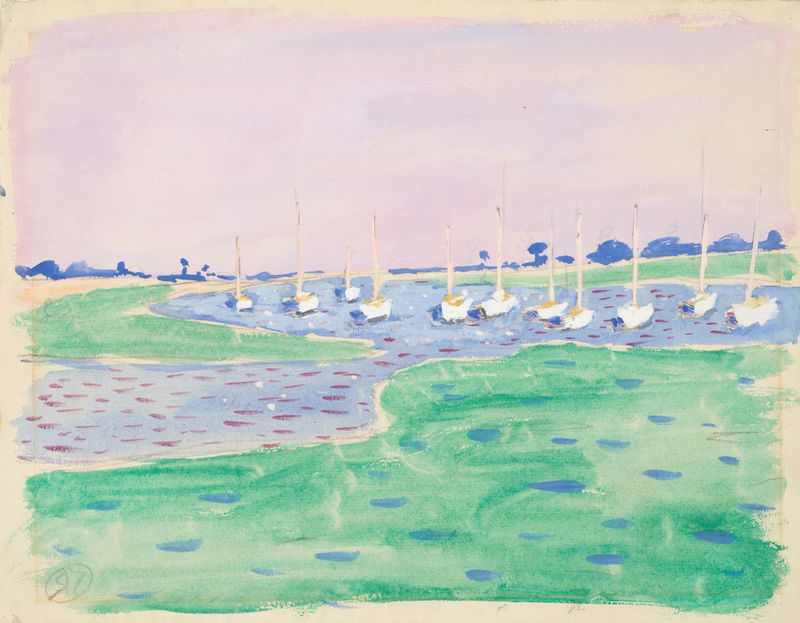
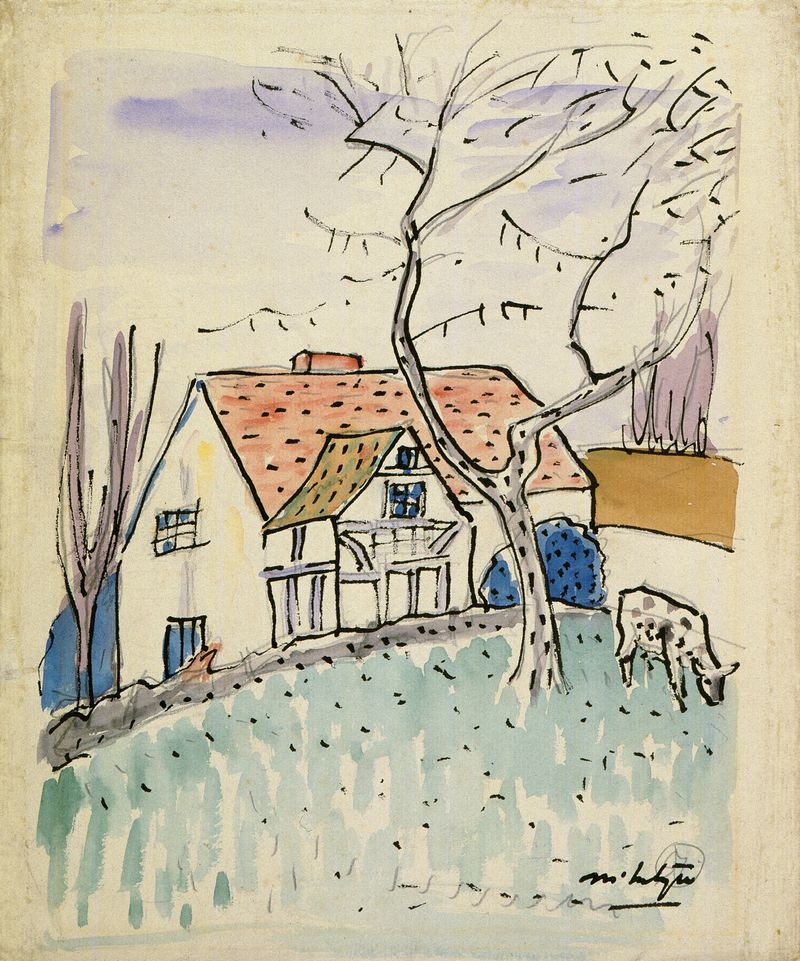
What secret hides in the quiet of the canvas? Under the soft brushstrokes of Scene in Berkshire, a yearning for connection and belonging simmers just beneath the surface. Look to the left at the gentle sway of the trees, their leaves whispering in harmony with the breeze. The vibrant greens are punctuated by warm earth tones, inviting the viewer's gaze deeper into the scene. Notice how the light dances on the water's surface, reflecting a patchwork of hues that echo the emotions concealed within the landscape.
Each stroke creates a symphony of texture, where the rustic simplicity of the vista becomes a backdrop for profound introspection. Delve into the contrasting elements present in the painting: the tranquil water juxtaposed against the restless foliage suggests an inner turmoil, hinting at the longing for peace amidst chaos. The expansive sky, rendered in soft blues and whites, stretches over the scene, embodying both freedom and solitude. This tension between the lush landscape and the palpable silence evokes a sense of nostalgia, as if the artist is capturing a fleeting moment that speaks to the heart’s deepest desires. In 1920, Raymond McIntyre painted Scene in Berkshire during a period of personal and artistic exploration, navigating the aftermath of World War I.
Living in Massachusetts, he sought to translate the landscapes around him into expressions of emotion and reflection. This work emerged as part of a broader movement in American art that sought solace in nature, showing the changing relationship between humanity and the environment in a time of recovery and reflection.