Scene in Indianapolis — History & Facts
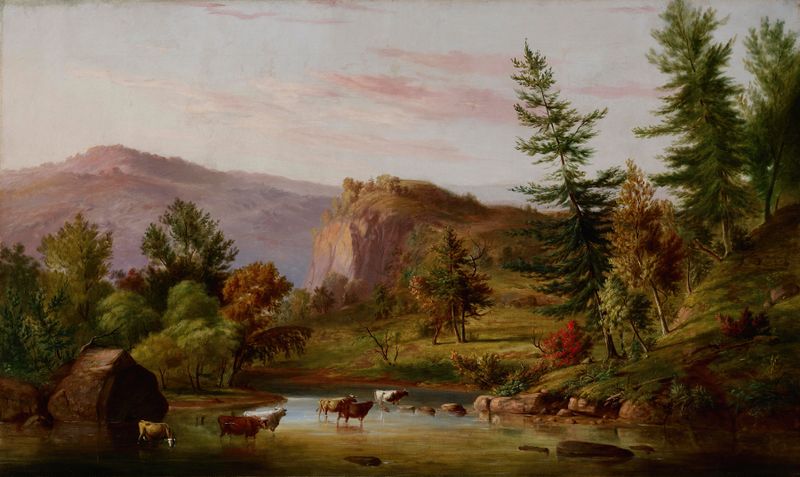
It captures the essence of legacy, a testament to the stories we leave behind and the moments that shape us. In an age where fleeting experiences often overshadow profound ones, the painting serves as a reminder of lives woven into the fabric of our collective memory. Look to the left, where the bustling figures emerge from the shadows, their forms animated yet momentarily paused. The vibrant hues of their clothing contrast with the subdued tones of the surrounding architecture, drawing the eye to the scene’s central activity.
Notice how light spills across the cobblestones, illuminating their faces with warmth, while deep shadows hint at a world beyond the frame—an invitation to ponder the lives not captured here. Within the riot of colors lies a rich narrative of juxtaposition: the liveliness of the pedestrians against the stoic backdrop of the city. Each figure appears to carry the weight of their own story, some faces gleaming with optimism, others shadowed by the day’s burdens. This tension between joy and melancholy creates a haunting beauty, urging viewers to consider the delicate balance of existence in a rapidly changing world. In the 1860s, the artist crafted this piece amid a period of great transition in America, marked by the echoes of the Civil War and the quest for identity.
Working in Indianapolis, Jacob Cox sought to capture the essence of urban life, reflecting the complexities of society while striving to establish his own legacy as an artist. His work resonates as a historical document, revealing not just the cityscape, but the human spirit navigating through the tapestry of change.