Schepping van licht en donker — History & Facts
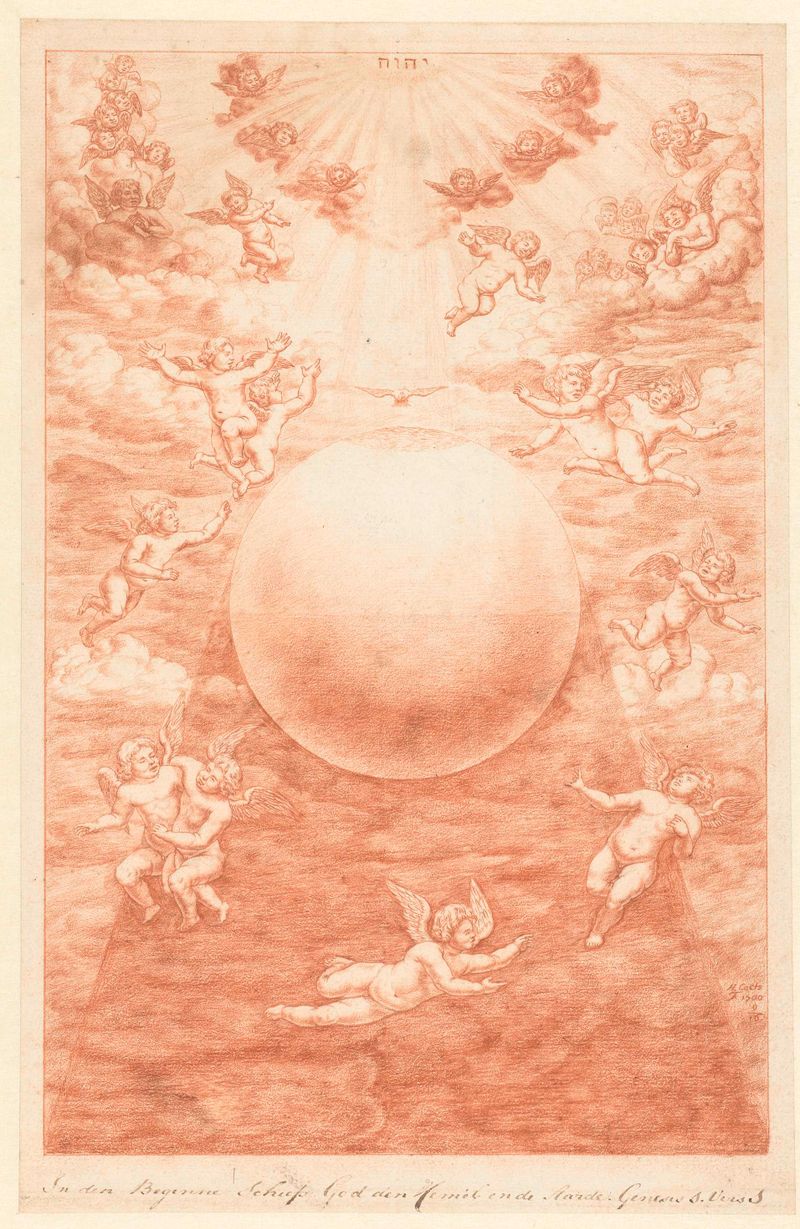
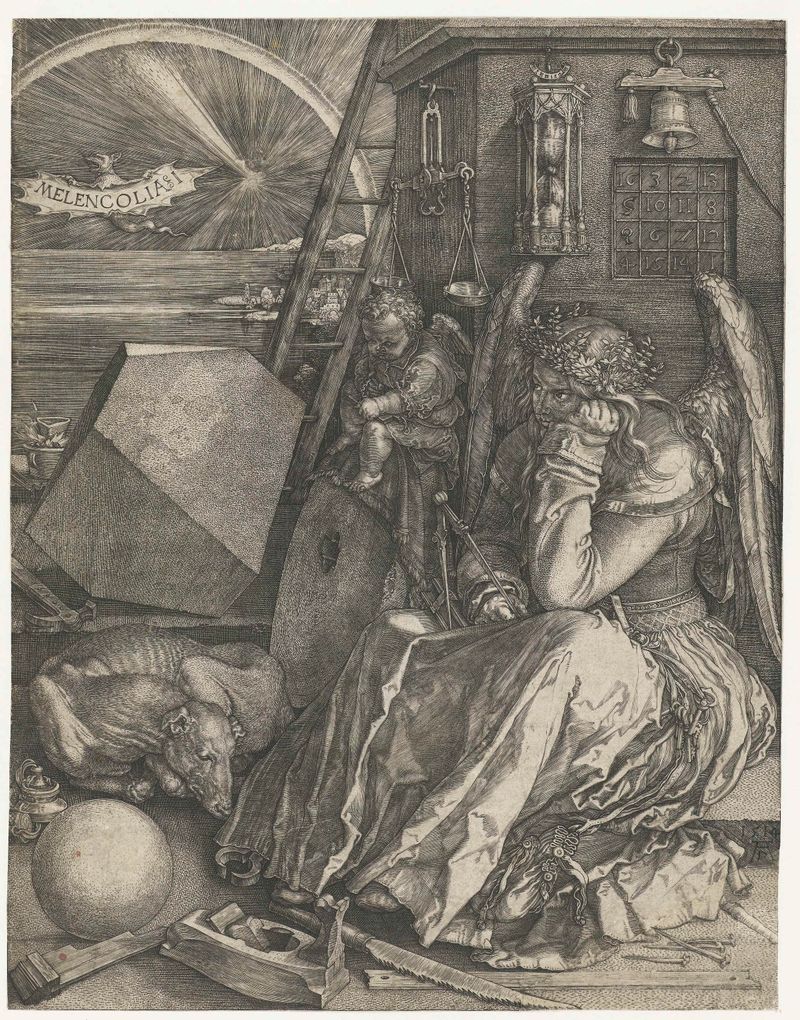
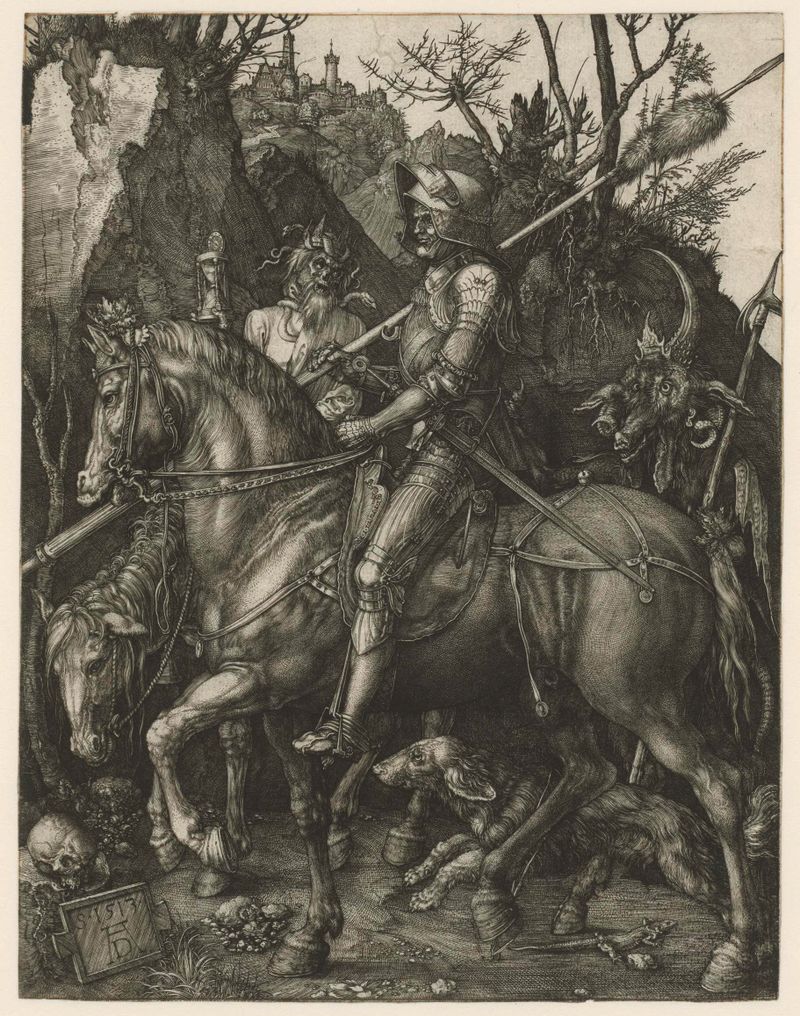
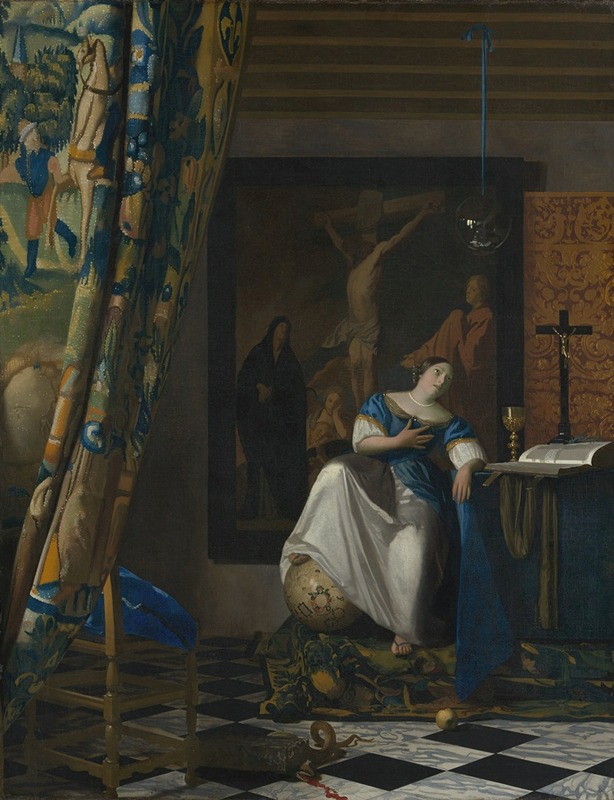
What if beauty was never meant to be finished? In Schepping van licht en donker, a haunting tension hangs in the air, inviting contemplation of solitude and the ephemeral nature of existence. The interplay of light and shadow acts as a metaphor for our own inner struggles, suggesting that the pursuit of harmony may often lead to an inescapable loneliness. Look to the center of the canvas where a radiant beam of light breaks through the darkness, illuminating a single figure lost in thought. The stark contrast between luminescence and shadow draws your eye, evoking a sense of isolation.
Coets employs a rich palette of muted earth tones, punctuated by the vibrant yellows and whites of the light, creating an almost theatrical atmosphere that compels viewers to ponder the internal battles of the figure depicted. In the corners, shadowy forms loom, hinting at the weight of unspoken emotions and unresolved conflicts. The figure's posture—slumped yet intent—communicates a depth of feeling that resonates with anyone who has grappled with the feeling of being adrift. This interplay suggests that beauty, while compelling, may not be accompanied by comfort, echoing the notion that loneliness can exist even amidst splendor. Painted around the turn of the 18th century, Coets worked during a time when the Baroque movement was in full flourish, emphasizing dramatic contrasts and emotional depth.
Living in the Dutch Republic, he was influenced by the prevailing philosophical currents of the Enlightenment, which instilled a duality of light and dark into his work. This piece reflects not only personal introspection but also the broader societal dialogues surrounding existence, beauty, and the human condition.