
Scherven uit V.O.C.-schip de 'Witte Leeuw' — History & Facts
In the fragments of shattered history, an obsession with the past reveals itself, begging for recognition and remembrance. Look closely at the center of the composition, where the scattered shards of porcelain glisten, remnants of a once-mighty vessel. Each fragment tells a silent story, a narrative woven with the textures of history. The artist has skillfully employed a muted palette that whispers rather than shouts, allowing the delicate blues and whites of the china to stand out against an earthy background, drawing the viewer's eye toward their delicate beauty.
The careful arrangement of these pieces creates a sense of both loss and reverence, echoing the ship's tragic fate. Beneath the surface lies a palpable tension — the duality of destruction and preservation. These broken shards symbolize not only the fragility of maritime endeavors but also the relentless pursuit of obsession that drives humanity to explore, conquer, and ultimately lose. The exquisite detailing on each piece contrasts sharply with their shattered state, reminding us of the grandeur that once was and the complete dissolution that followed.
It’s a poignant reflection of our relationship with history, where memories clash with the inevitable decay of time. The artwork originates from a tumultuous period in the early 17th century, before 1613, when the Dutch East India Company was at the height of its power. The artist, whose name remains unknown, captures a moment steeped in exploration and trade, reflecting the era's obsession with the exotic goods brought from the East. It was a time of rapid expansion and loss, where every shipwreck could spark debates about ambition, failure, and the indelible scars left upon the artist’s soul.
More Artworks by Unknown Artist
Browse all →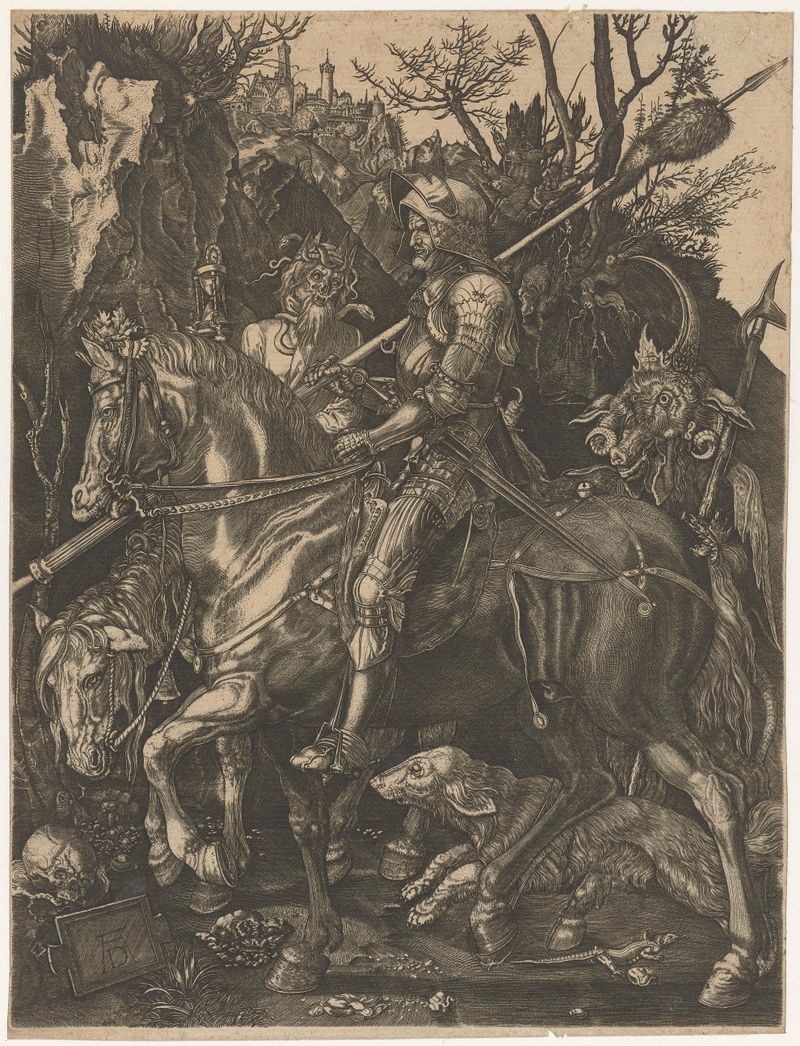
Ridder, Dood en Duivel
Unknown Artist
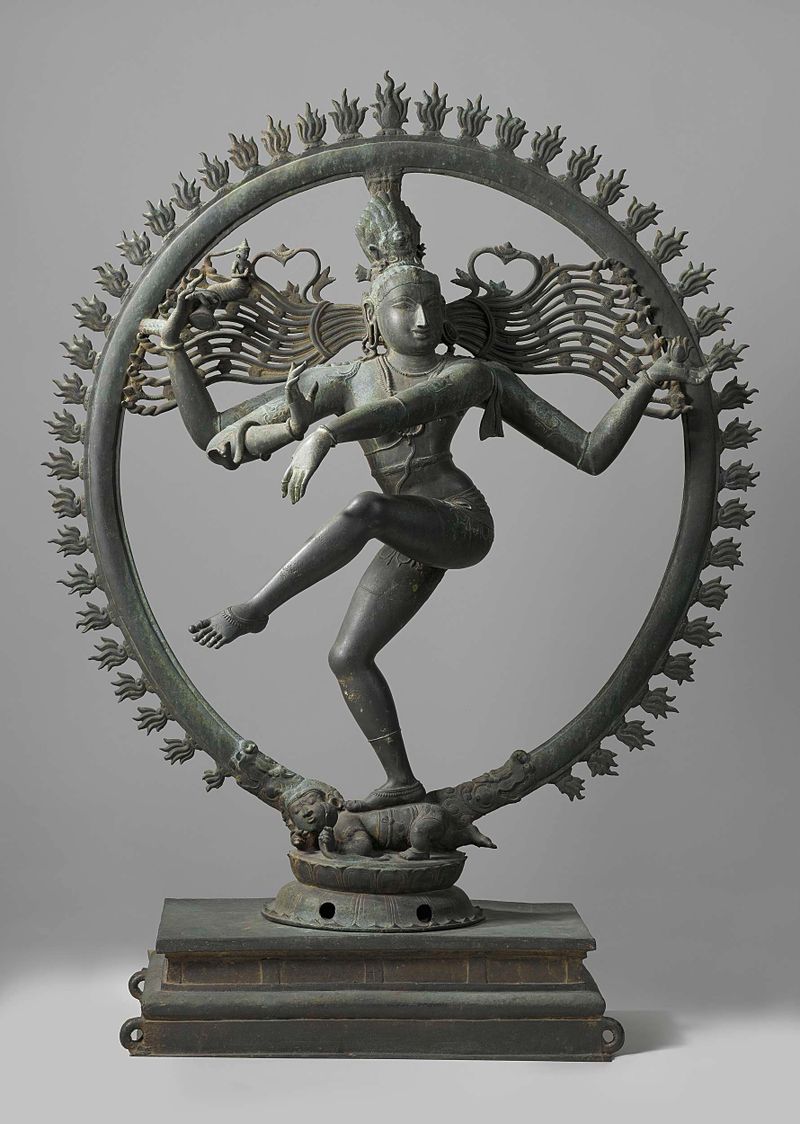
Shiva Nataraja
Unknown Artist
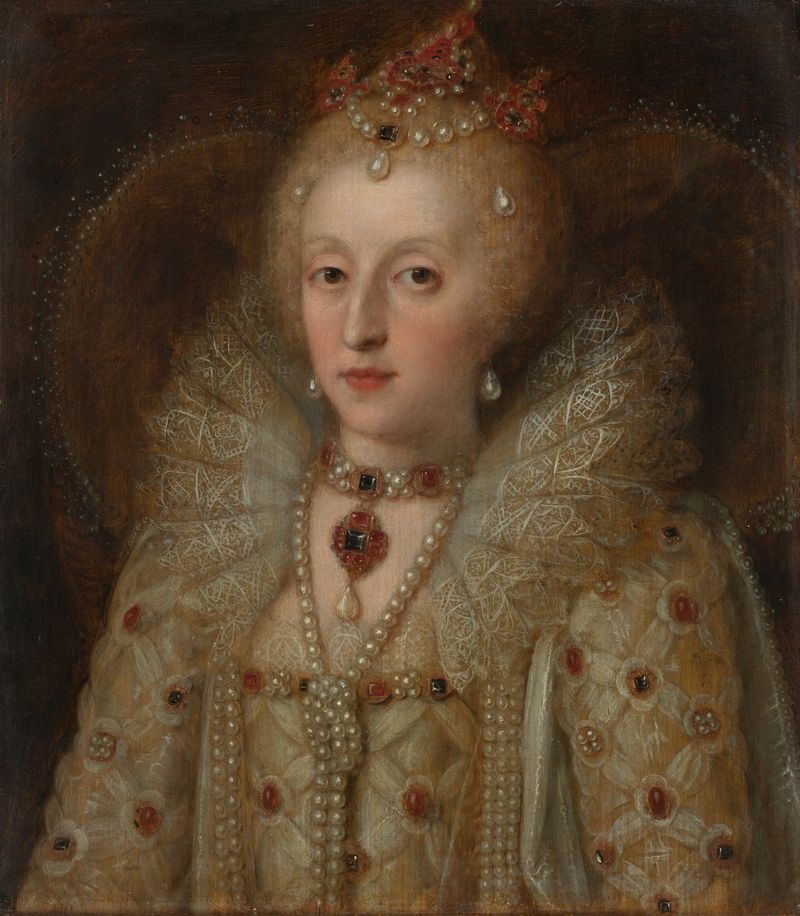
Portrait of Elizabeth I, Queen of England
Unknown Artist
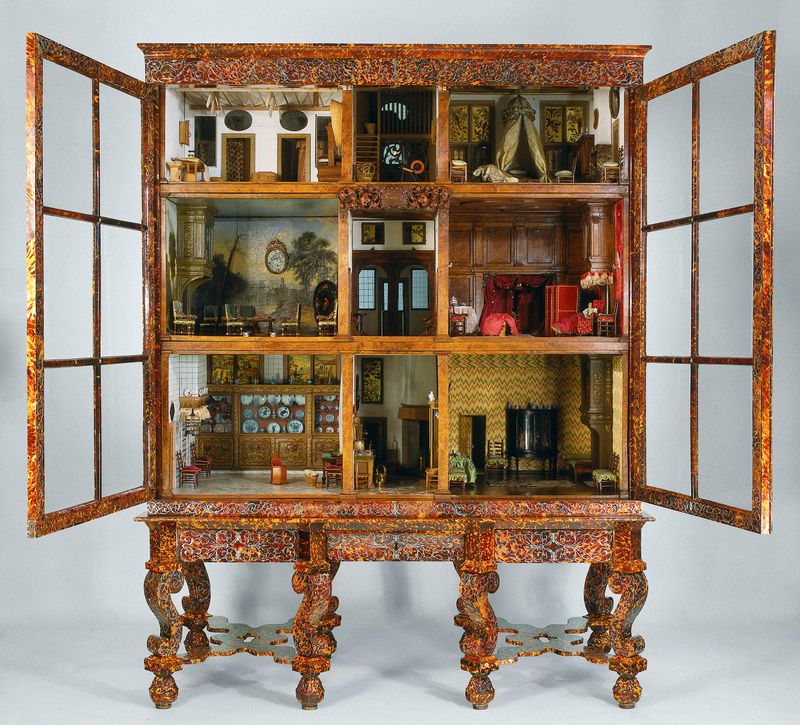
Dolls’ house of Petronella Oortman
Unknown Artist
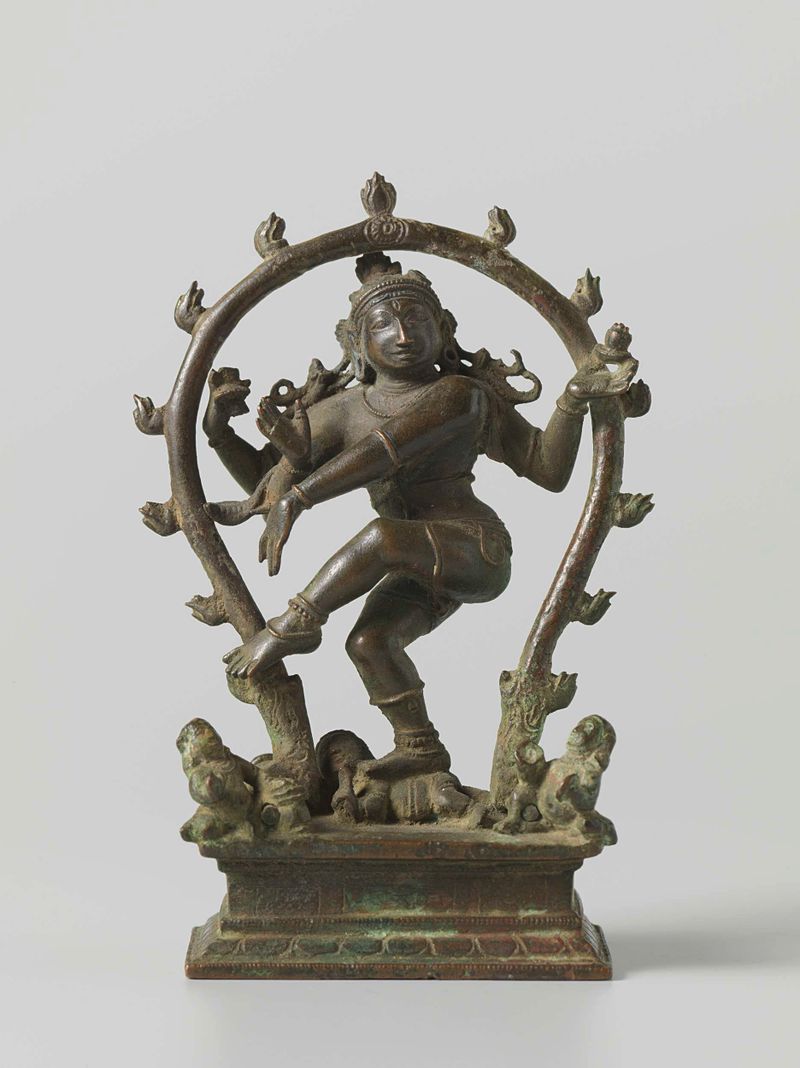
Shiva Nataraja
Unknown Artist

The Tale of Genji
Unknown Artist

The Tale of Genji
Unknown Artist

Cong
Unknown Artist
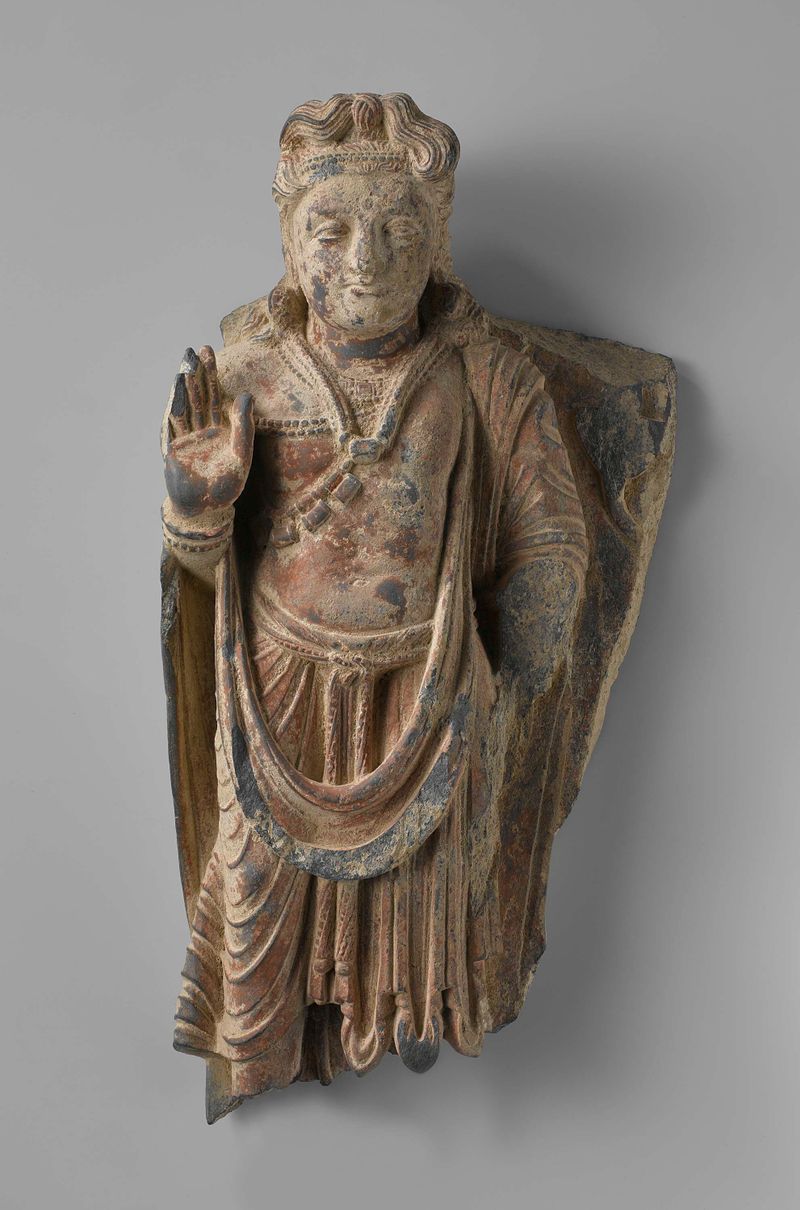
The bodhisattva Maitreya
Unknown Artist

Teabowl with a 'hare's fur' glaze
Unknown Artist





