Schilderij De Amsterdamse buitensingel bij de Leidse poort door J. Jelgerhuis — History & Facts
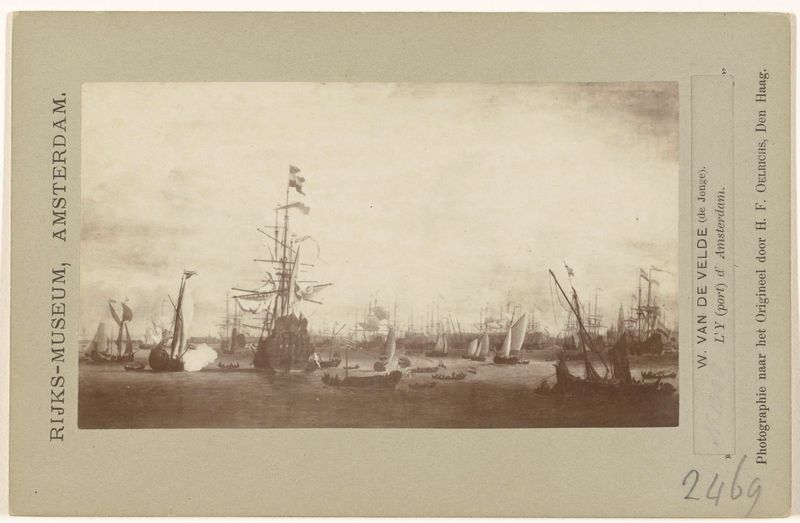
Where does light end, and longing begin? In the interplay of shadows cast by the trees and the shimmering waters, a whisper of mortality dances through the air, inviting reflection on the transient nature of life. Focus on the luminous sky at the top of the canvas, where soft pastel hues merge into one another. Notice how the sun’s golden rays filter gently through the branches, illuminating the scene below. The tranquil canal reflects this ethereal glow, drawing your gaze towards the serene waters that cradle a small boat, offering a moment of peace amidst the bustle of city life.
The careful brushwork showcases both the artist's skill and an intimate understanding of light and its ability to evoke emotion. Beneath the surface of this idyllic setting, subtle tensions arise. The juxtaposition of the idyllic outdoor scene with the looming architecture of the Leiden Gate hints at the encroachment of civilization. The lone figure in the boat, seemingly lost in thought, embodies a sense of solitude, suggesting a yearning for connection with nature amid the weight of modernity.
This contrast between the serene landscape and the reminder of human existence encapsulates the fleeting nature of life, underscoring the complexity of human experience. Henri Frederic Oelrichs painted this piece between 1850 and 1880, a time when artists were increasingly exploring themes of light and atmosphere. Living in Amsterdam, he was influenced by the burgeoning Romantic movement, which emphasized emotion and individual experience in art. During this period, as industrialization rapidly transformed society, Oelrichs sought to capture the delicate balance between the natural world and human encroachment, reflecting the profound shifts occurring in both his life and the art world at large.