
Schloss Lichtenegg bei Wels — History & Facts
In the hush of a serene afternoon, a gentle embrace of nature wraps around the historic Schloss Lichtenegg, inviting a moment of reflection beneath its watchful gaze. The castle stands resolute, a testament to time, surrounded by lush greenery that breathes life into the scene. Each brushstroke whispers stories of tranquility, urging the viewer to pause and breathe with the landscape. To absorb the essence of this work, focus on the subtle interplay of light and shadow.
Look to the soft, dappled sunlight that filters through the trees, illuminating the castle’s stone facade with warm tones of ochre and ivory. The meticulous attention to detail in the leaves and the delicate rendering of the clouds overhead create a harmonious blend that draws your eye inward, establishing a connection between the structure and its natural surroundings. Yet, beneath this serenity lies an emotional tension, a contrast between the manmade and the organic. The castle, representing human ambition and permanence, stands in quiet repose against the ephemeral beauty of nature.
The gentle curves of the landscape echo a fleeting moment, encapsulating the paradox of stability within transience. Each element, from the fluttering leaves to the weathered stones, tells a complex tale of coexistence and reflection. Ferdinand Lepie created this tranquil piece in 1862 while working in Austria, a period marked by a deepening interest in landscape painting and romantic ideals. As industrialization began to reshape the world, artists sought solace in nature’s timelessness, capturing the delicate balance between the artificial and the organic.
Lepie’s dedication to this vision speaks to a broader conversation about humanity’s relationship with the environment, echoing a collective yearning for serenity in an ever-changing world.
More Artworks by Ferdinand Lepie
Browse all →
Blick auf Ischl und die Kaiservilla
Ferdinand Lepie

Der Altstädter Ring in Prag
Ferdinand Lepie

View of Naples with Vesuvius in the background
Ferdinand Lepie

A View of Gmunden on Lake Traunsee
Ferdinand Lepie
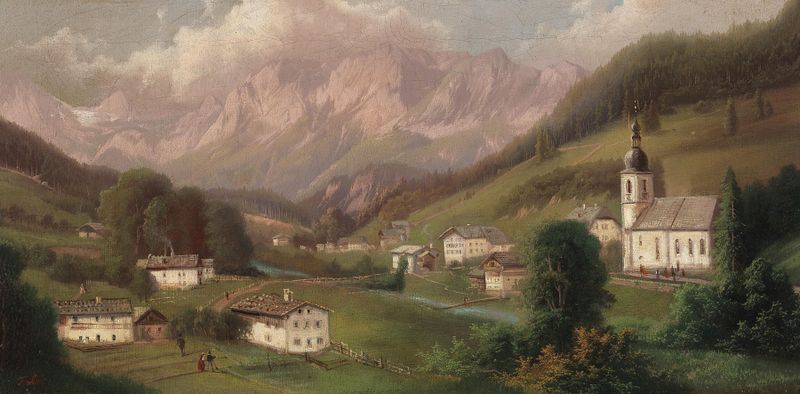
Dorf in den Alpen
Ferdinand Lepie

Venice, View of the Doge’s Palace and St. Mark’s Square
Ferdinand Lepie
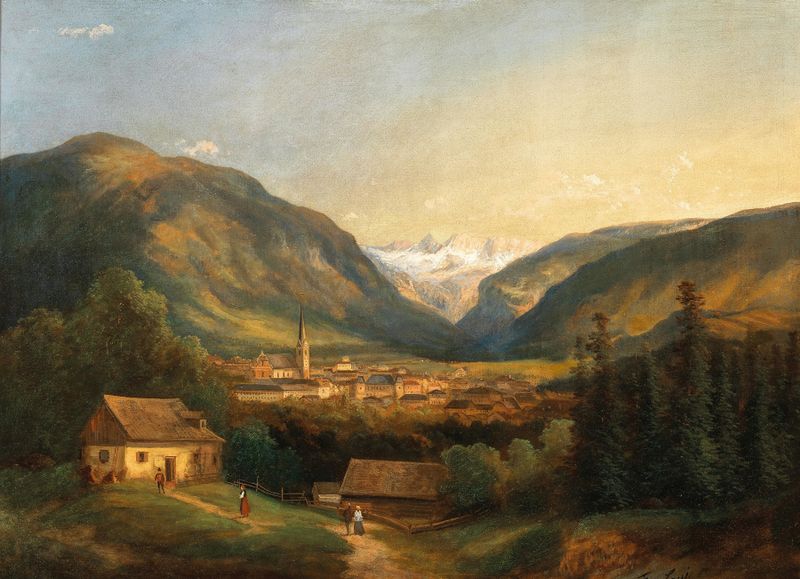
A View of Bad Ischl
Ferdinand Lepie

View of Gmunden and Schloss Ort
Ferdinand Lepie
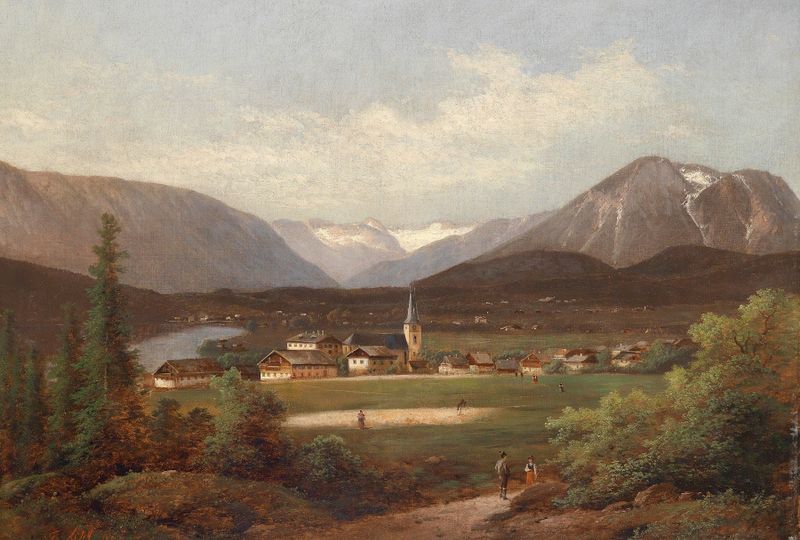
Blick über den Altausseersee
Ferdinand Lepie
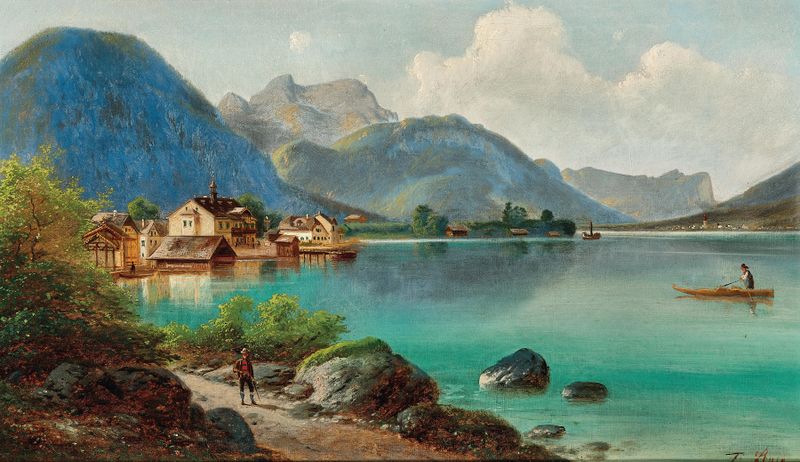
Blick auf Weissenbach am Attersee
Ferdinand Lepie





