Sculptuur van een stier — History & Facts
Who listens when art speaks of silence? In a world where noise competes for our attention, the stillness of ancient forms beckons us to contemplate deeper truths about existence and mortality. Focus on the intricate details of the bull's powerful physique, its contours carved with a precision that suggests both strength and fragility. Notice how the sculptor has rendered the muscles taut, as if the animal is poised in a moment of raw energy, yet the permanence of stone betrays an inevitable stillness. The patina hints at the passage of time, while the harmonious balance between form and shadow invites you to linger, considering both life and decay. The bull is more than a mere representation of a beast; it embodies the tension between vitality and mortality.
Its stance exudes confidence, yet there exists an underlying vulnerability, echoing the duality of existence itself. The sculpture serves as a poignant reminder of the transient nature of life and the enduring legacy of art, something that persists even as the world around it fades. Created between 206 and 220 AD, during the height of the Roman Empire, this piece reflects a time when art was often used to symbolize power, fertility, and strength, even as it grappled with the universal truths of existence. The identity of the artist remains unknown, yet the craftsmanship speaks volumes, hinting at the cultural significance placed on animal symbolism in a society deeply intertwined with its agricultural roots and spiritual beliefs.
More Artworks by Unknown Artist
Browse all →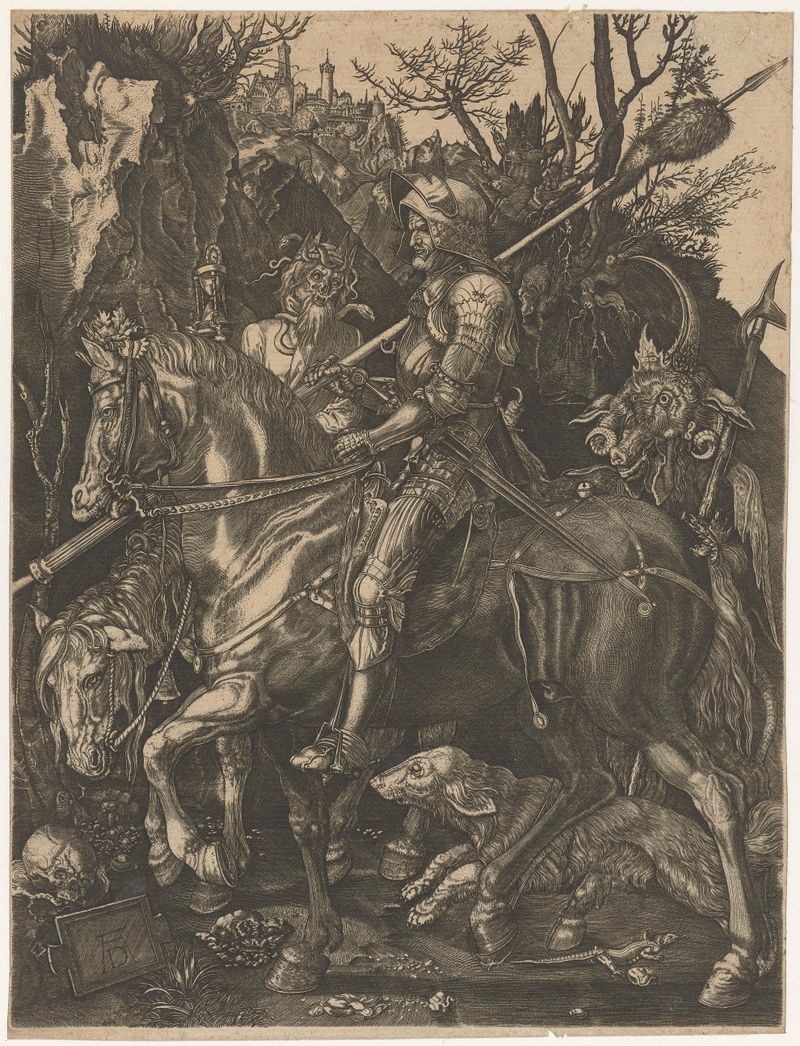
Ridder, Dood en Duivel
Unknown Artist
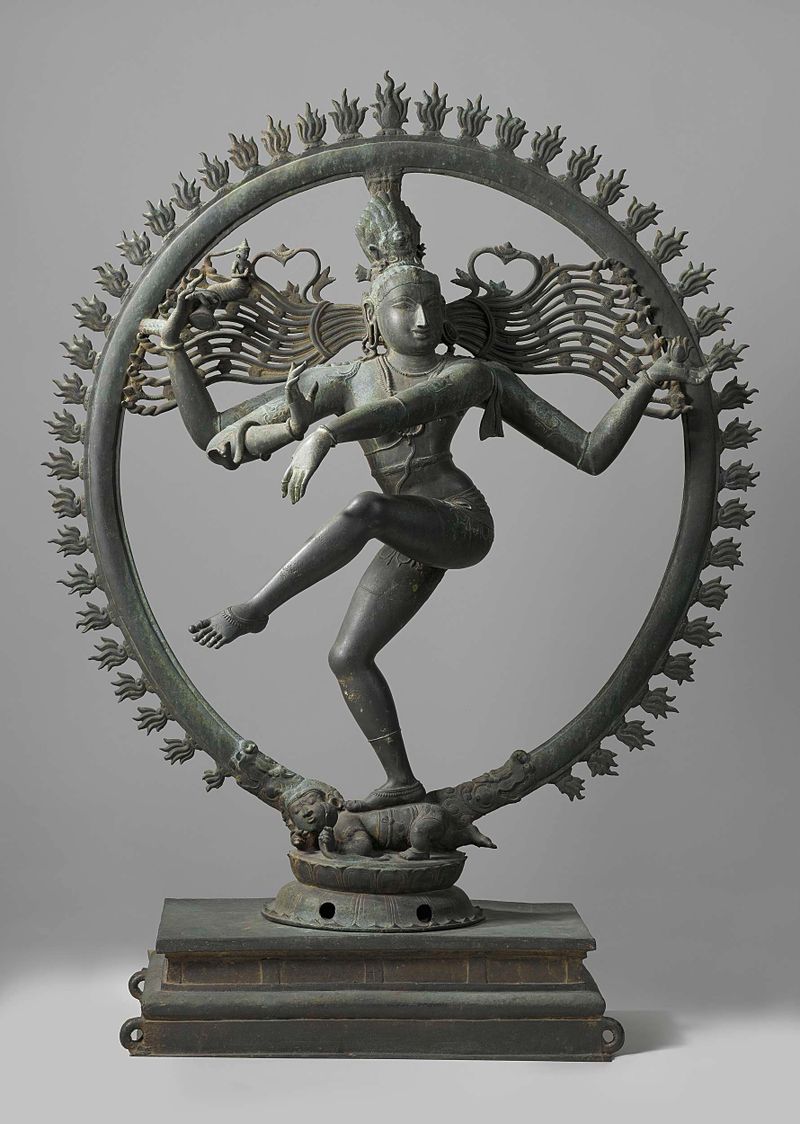
Shiva Nataraja
Unknown Artist
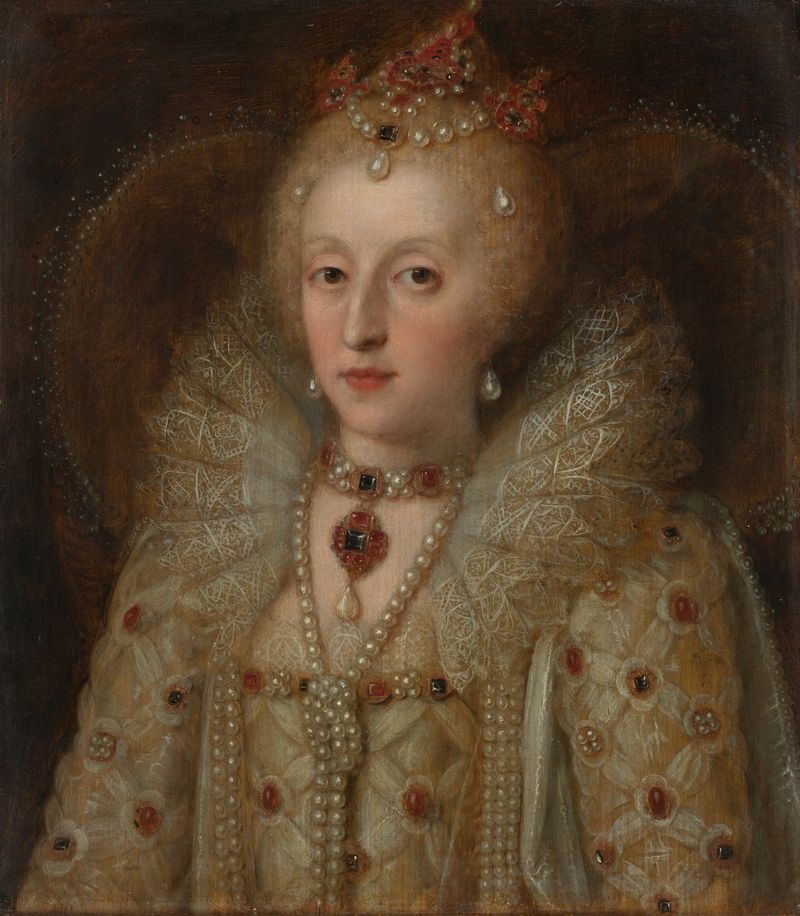
Portrait of Elizabeth I, Queen of England
Unknown Artist
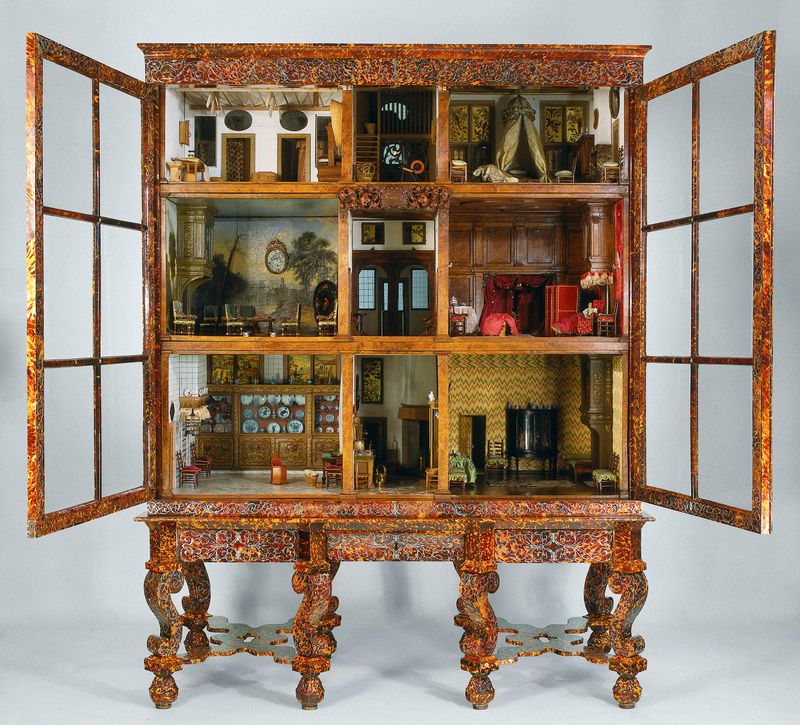
Dolls’ house of Petronella Oortman
Unknown Artist
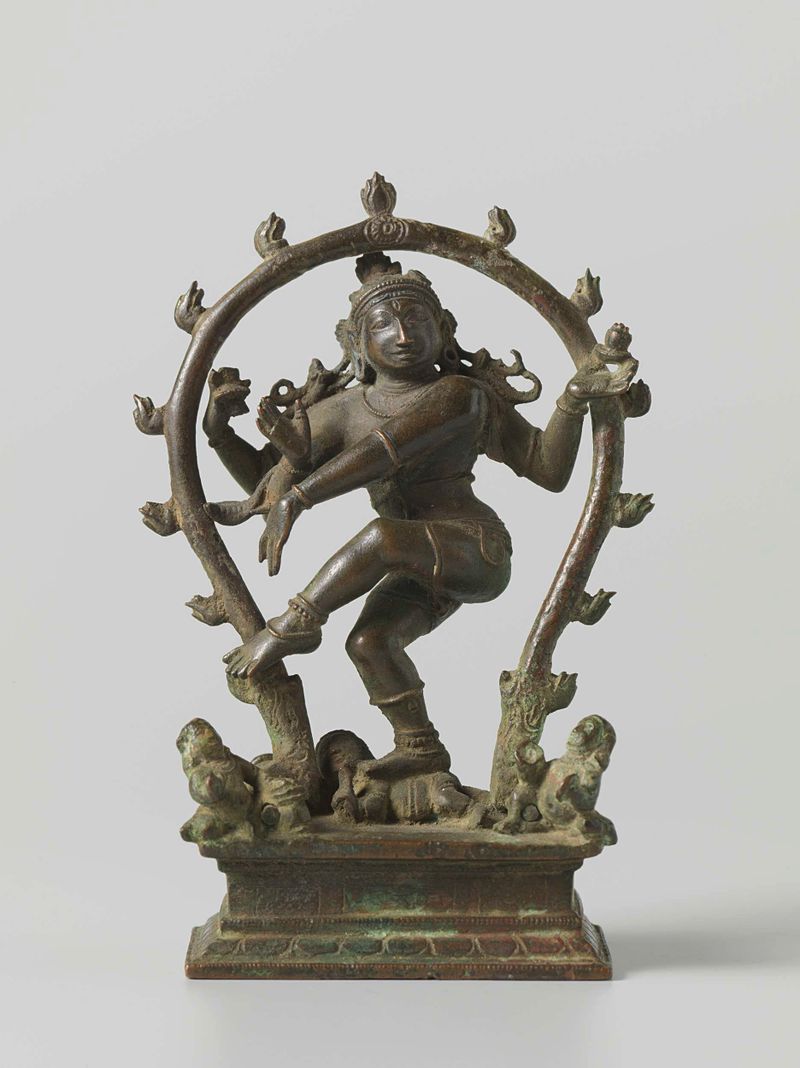
Shiva Nataraja
Unknown Artist

The Tale of Genji
Unknown Artist

The Tale of Genji
Unknown Artist

Cong
Unknown Artist
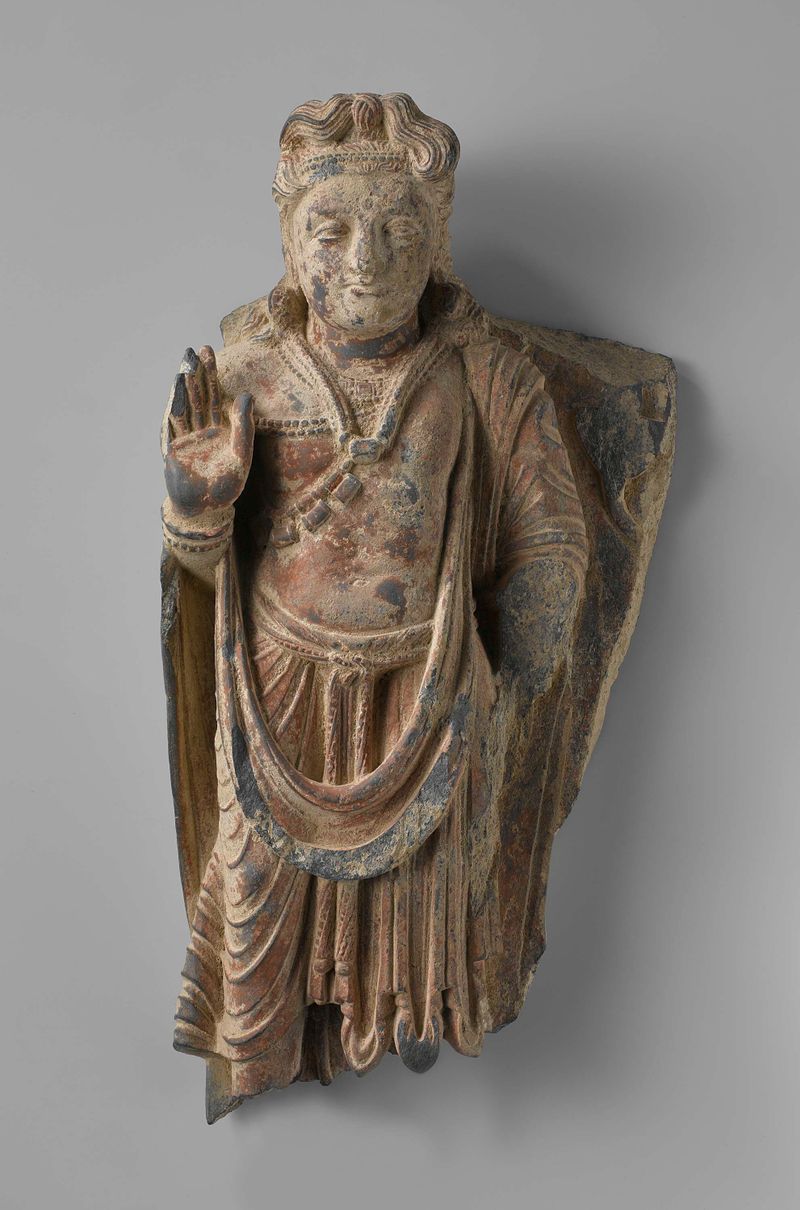
The bodhisattva Maitreya
Unknown Artist

Teabowl with a 'hare's fur' glaze
Unknown Artist