Seascape — History & Facts
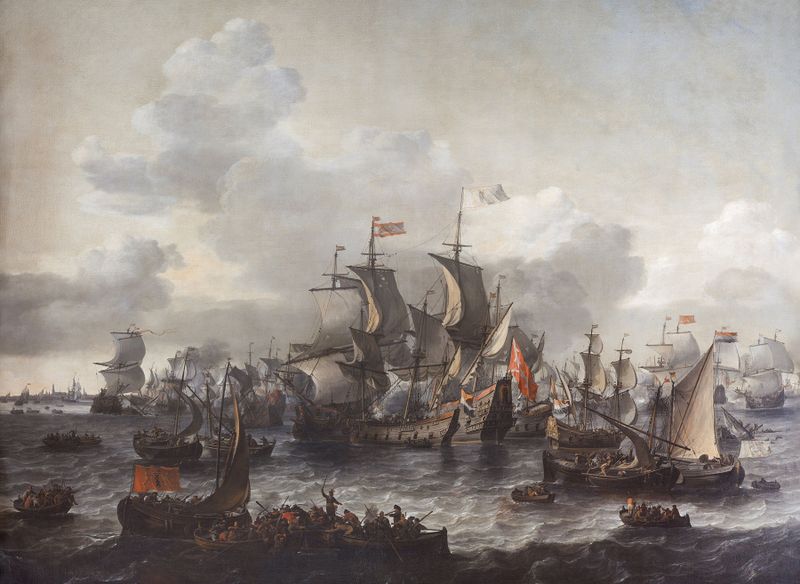
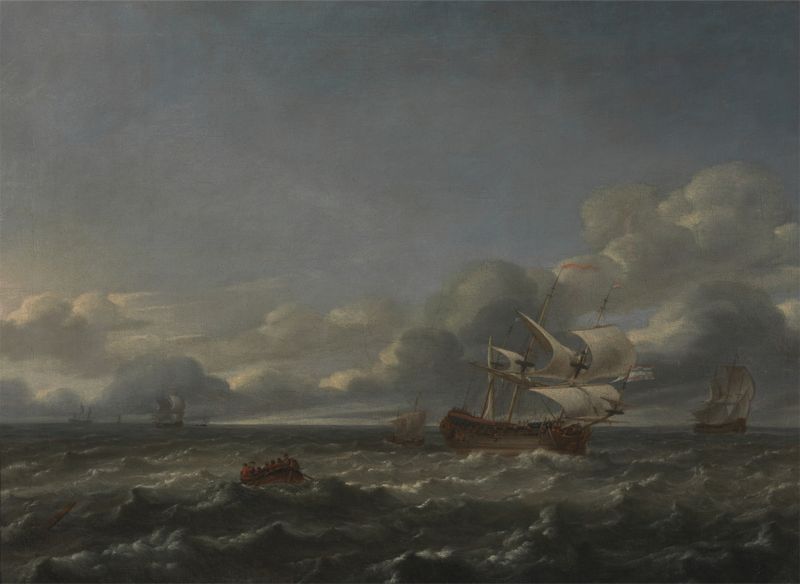
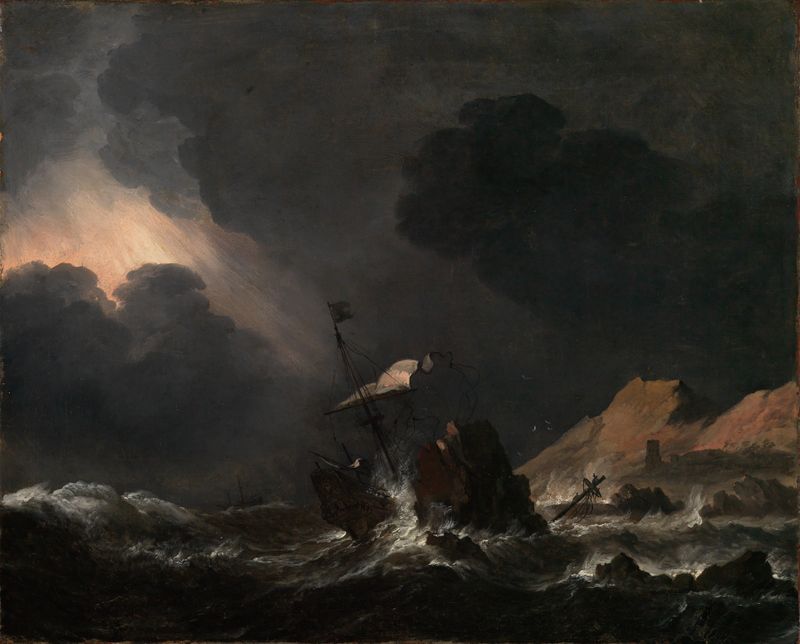
Can beauty exist without sorrow? In Seascape, the interplay of light and shadow invites contemplation, revealing the delicate balance of nature’s majesty and its inherent melancholy. Look to the horizon where the sun dips beneath the undulating waves, casting a shimmering gold upon the water’s surface. The boats, mere silhouettes against the fiery sky, sway gently, their sails billowing like ghosts caught between light and dark. Notice how the artist employs a muted palette of blues and greys, punctuated by bursts of warm color, to evoke a sense of tranquility that belies the underlying turbulence of the sea.
Each brushstroke meticulously captures the rhythm of the waves, as if they are alive, breathing with the ebb and flow of emotions. The contrast between the calm sea and the ominous clouds swirling above reflects a deeper emotional tension. The tranquil ripples suggest peace, yet the shadowy masses hint at an impending storm, a reminder of nature's capriciousness. This duality suggests that every moment of beauty is shadowed by the potential for chaos, prompting viewers to ponder the fragility of their own experiences within this serene landscape. In 1650, while painting Seascape, Jan Theunisz Blanckerhoff was immersed in the blossoming Dutch Golden Age, a time rich with maritime exploration and flourishing trade.
He lived in a period marked by a deep appreciation for the natural world, yet his work reflects the contrast of human aspirations against the vast, untamed ocean. As Blanckerhoff captured the waves, he also wove into his canvas the complexities of the human experience, where beauty and sorrow coexist.