Seascape — History & Facts
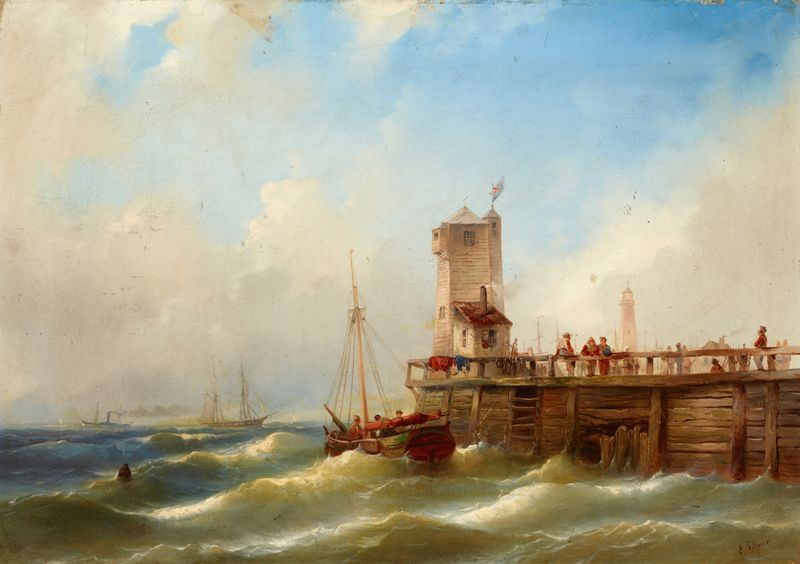
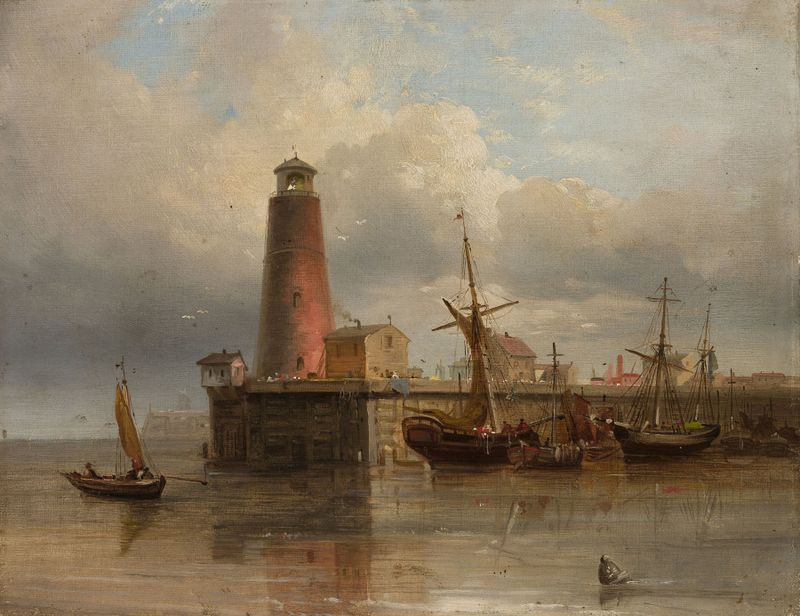
Can paint confess what words never could? In the ebb and flow of waves, the brush whispers a legacy beyond the reach of language. Focus on the deep blues and turquoises swirling together in the canvas, where the sea beckons with a haunting beauty. Look to the horizon, where the sun dips low, scattering golden rays that dance on the water's surface. Notice how the artist captures the tumultuous energy of the waves, each stroke a testament to the sea's mighty pulse—a visual symphony of texture and color that invites the viewer to linger. Beneath the vibrant facade lies a tension between serenity and chaos.
The foamy crests of the waves reflect a struggle, while the calm horizon hints at hope and continuity. These contrasts speak to the duality of nature itself, encapsulating both its beauty and its ferocity. In this work, the interplay of light and shadow suggests a moment of fleeting tranquility, echoing a deeper emotional resonance that speaks to humanity's relationship with the natural world. Eduard Schmidt created this piece in the 19th century, during a period when Romanticism was flourishing, and artists were increasingly drawn to the sublime aspects of nature.
Living in an era of rapid industrialization, he turned to the sea as a subject that conveyed both wonder and danger, reflecting the awe and fear that the natural world instills. This exploration of landscape not only showcased his technical skills but also marked a significant moment in art history, where the dialogue between humanity and nature deepened.