Seascape on the Beach at Scheveningen — History & Facts
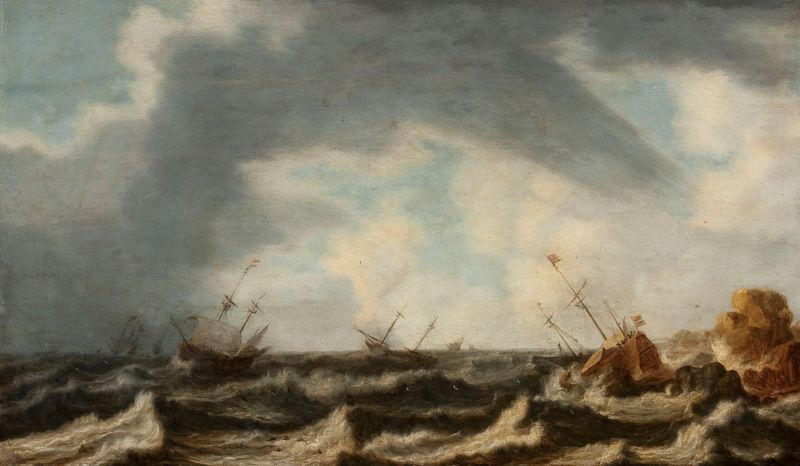
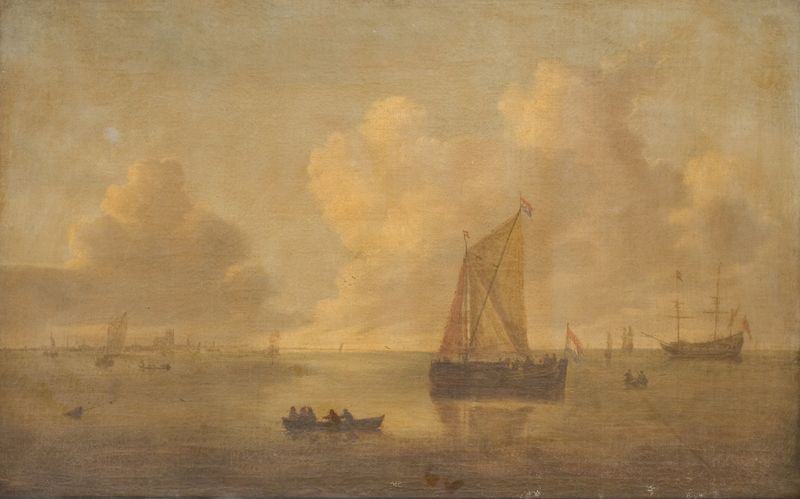
Who listens when art speaks of silence? In Seascape on the Beach at Scheveningen, this question resonates deeply, inviting viewers into a dreamlike encounter where the horizon blurs between reality and imagination. Focus on the expansive sky, painted in soft blues and whites, as it melds seamlessly into the distant sea. Notice how the gentle waves lap against the shore, their rhythmic movement captured with delicate brushstrokes that evoke a sense of calm. The figures scattered along the beach serve as mere whispers against the vastness, their muted colors blending harmoniously into the landscape, creating an ethereal balance between man and nature. Yet, it is in the small, almost imperceptible details where the true narrative unfolds.
The contrast between the bright sunlight and the cool shadows hints at an unspoken tension, perhaps a longing or a moment of introspection. The distant boats, their sails billowing gently, could symbolize both adventure and the inevitable passage of time, suggesting the fleeting nature of human endeavors against the eternal backdrop of the sea. Willem van Diest painted this serene seascape between 1640 and 1660, a period marked by personal exploration and the rise of landscape painting in the Dutch Baroque. Living in an era rich with artistic innovation, he found inspiration in the coastal beauty of Scheveningen, creating works that reflect both the tranquility of nature and the profound emotions that it evokes.