
Seaside Cemetery (Seefriedhof) — History & Facts
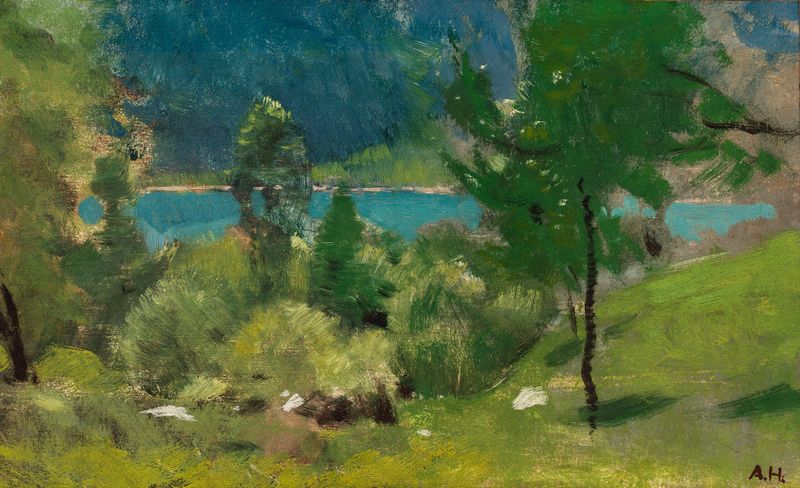
Did the painter know this moment would outlive them? The violence of existence, entwined with the serenity of a seaside view, creates a haunting juxtaposition that lingers in our minds. Look to the right at the gently arching graves, their weathered stones almost softened by the embrace of ocean air. The horizon, painted in stunning hues of blue and gold, contrasts sharply with the solemnity of the graves, drawing the eye between life and death. Notice how the light falls upon the set pieces of this landscape; it dances across the surface of the water, creating a sparkling veil that masks the underlying tension—an ephemeral beauty that belies the permanence of loss. Delve deeper into the layers of emotion woven into this scene.
The interplay of the vibrant seascape against the starkness of the cemetery reveals a poignant dialogue between hope and despair. Each headstone serves as a testament to individuals whose stories have dissipated into the ether, yet their resting place is kissed by the sun and touched by the waves, suggesting that memory clings to the living landscape. This duality invites viewers to reflect on the transience of life, caught in a violent cycle of existence and oblivion. In 1897, when this work was created, Hirémy-Hirschl was living in Vienna, a city at the crossroads of artistic innovation and tradition.
The rise of Symbolism was influencing many artists, including him, pushing them to explore deeper themes of mortality and identity. Amidst the burgeoning art movements, Hirémy-Hirschl sought to capture the complexity of human emotion, creating a piece that resonates with viewers even a century later.
More Artworks by Adolf Hirémy-Hirschl
Browse all →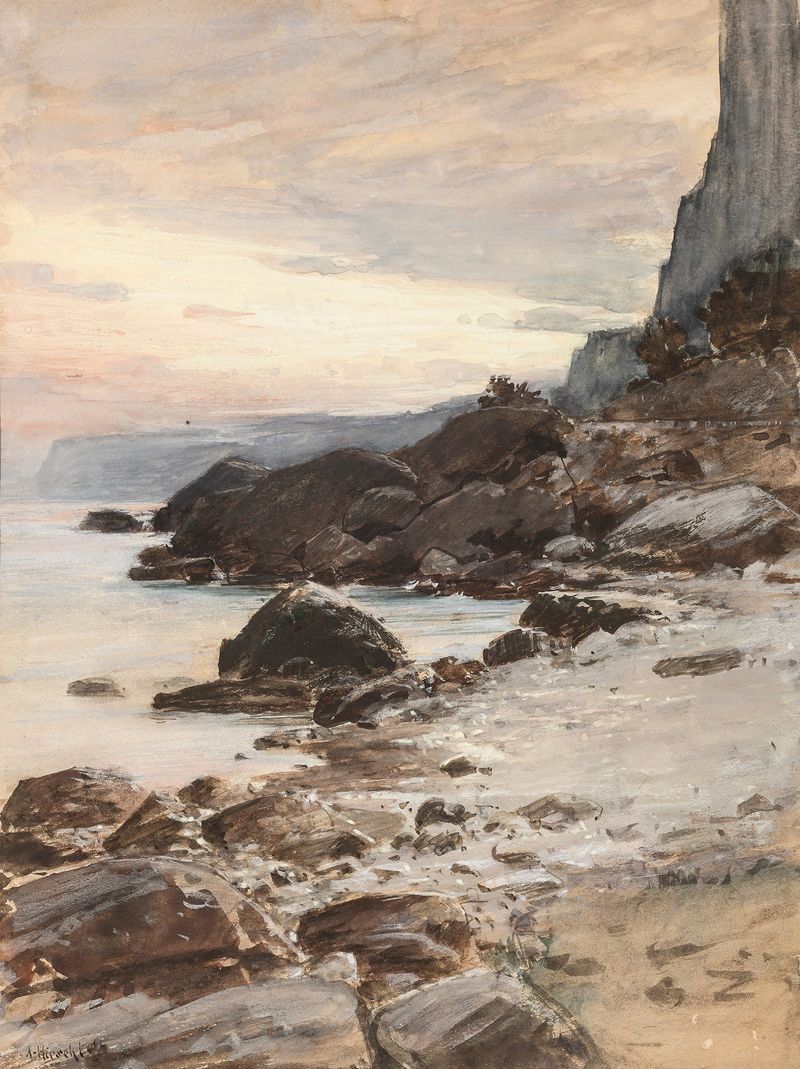
Südliche Küste
Adolf Hirémy-Hirschl

Gasse in Rom mit Blick auf den Faustinatempel
Adolf Hirémy-Hirschl
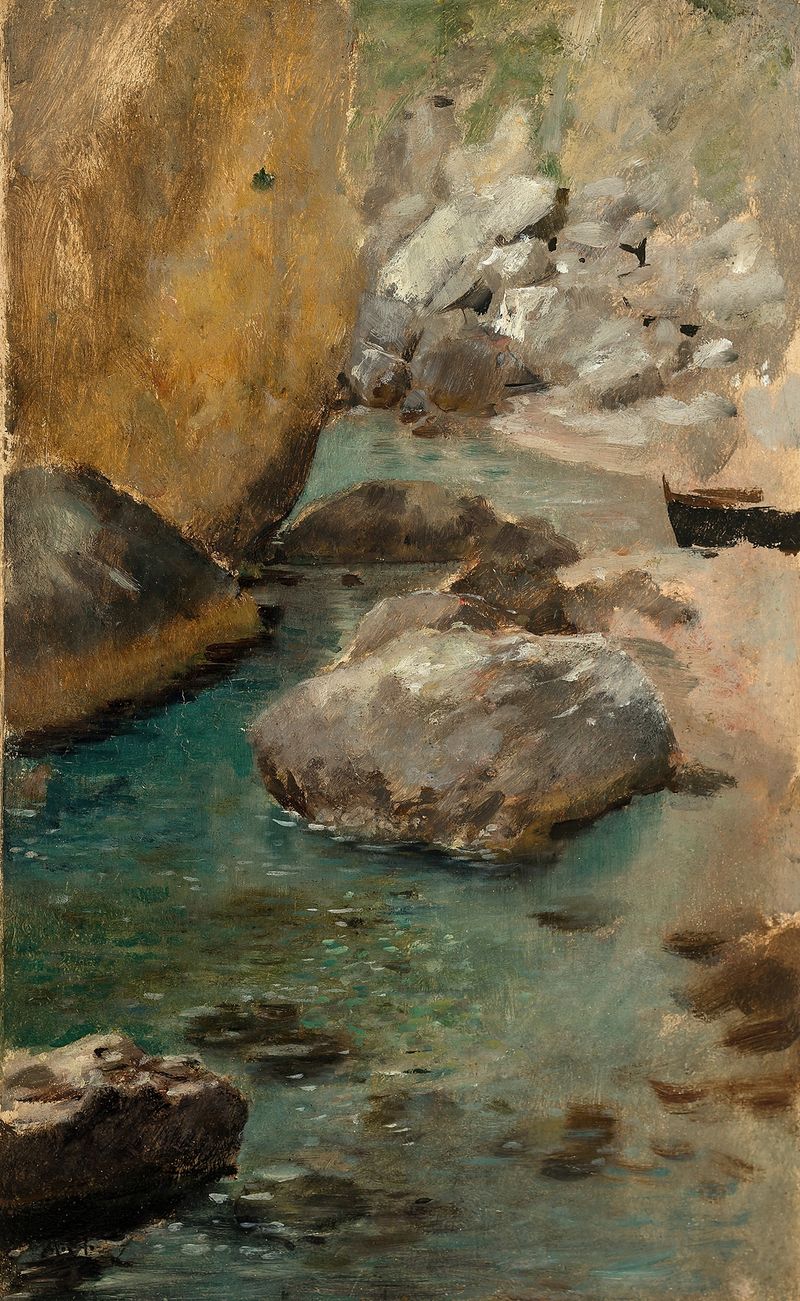
Italienische Bucht
Adolf Hirémy-Hirschl
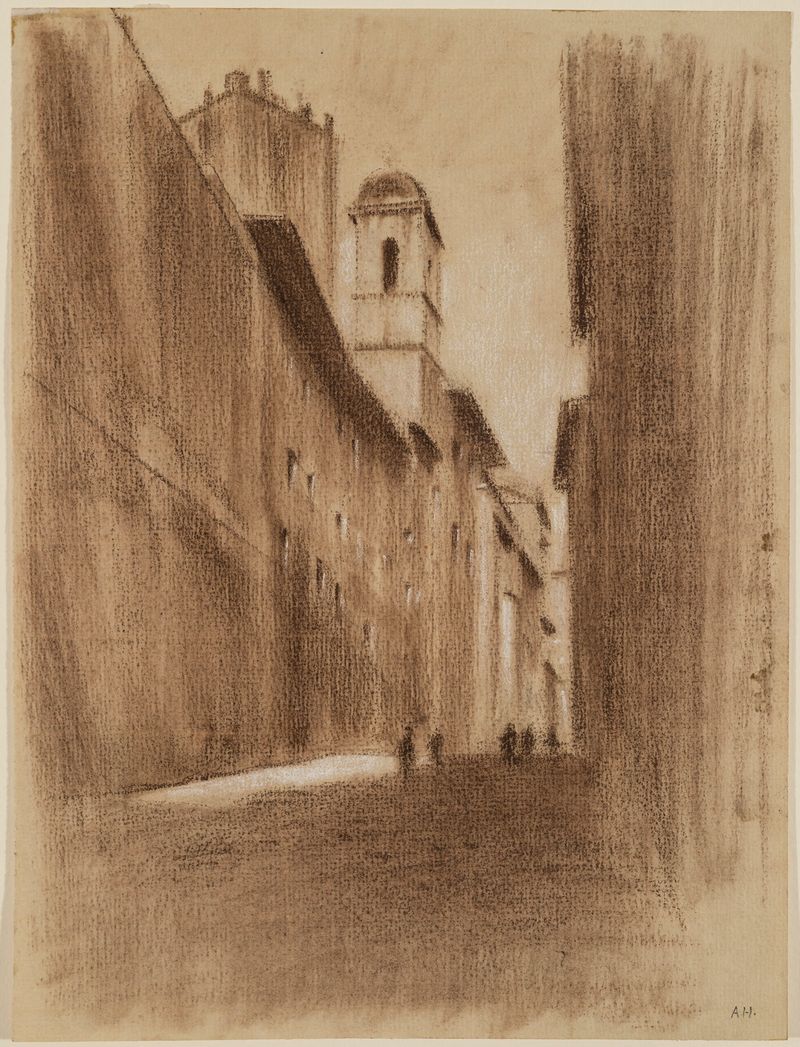
Gasse Salita del Grillo in Rom
Adolf Hirémy-Hirschl
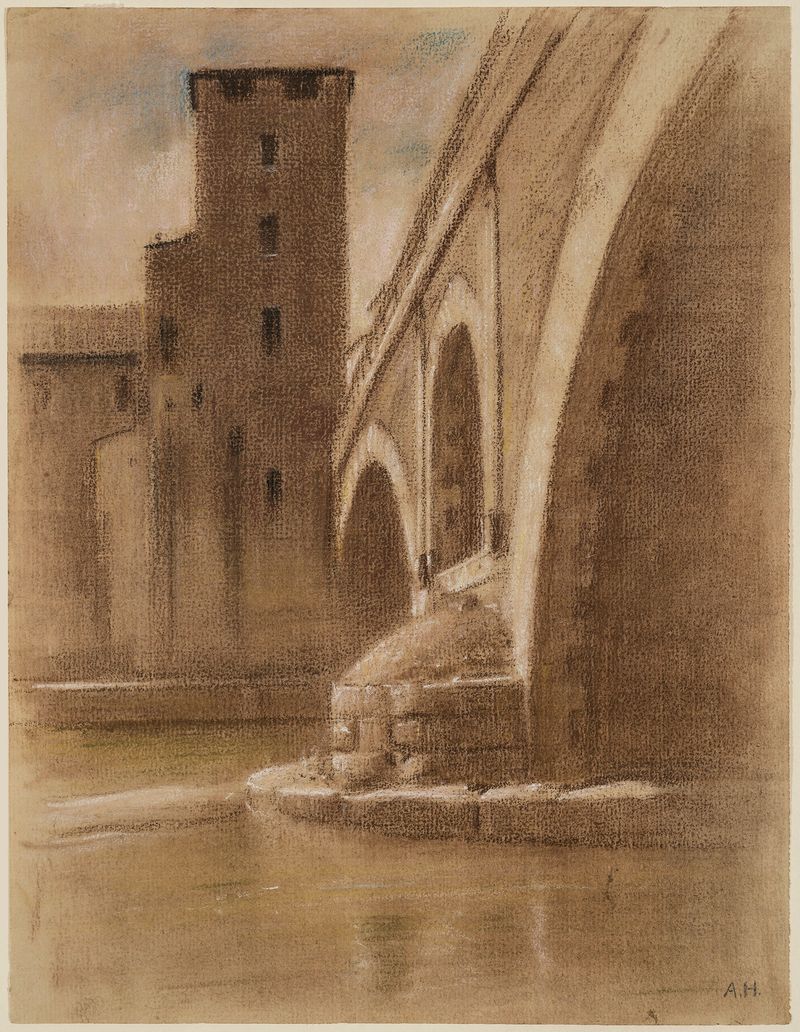
Die Ponte dei Quattro Capi in Rom
Adolf Hirémy-Hirschl
Blick auf einen Gebirgssee
Adolf Hirémy-Hirschl

Landschaft mit Wildbach
Adolf Hirémy-Hirschl





