
Seaside View — History & Facts
Where does light end, and longing begin? In Seaside View, the boundaries blur, as waves of color and texture draw the viewer into a realm where the horizon becomes a canvas for our emotions. Look to the center, where the cerulean sea, shimmering with flecks of white, dances energetically against the faint golden shore. Notice how the brushstrokes convey not just movement, but a pulse—a heartbeat of nature. The soft blend of blues and warm earth tones invites your eyes to explore the transition from sea to sky, where a muted sun hangs low, casting gentle shadows that speak to the day's end. Amidst this serene landscape, emotional tensions simmer just beneath the surface.
The vibrant movement of the waves contrasts with the stillness of the distant land, evoking a sense of yearning for connection and the ephemeral nature of beauty. This duality resonates through the delicate interplay of light and shadow, suggesting not just a physical separation but an emotional distance that mirrors our own experiences of longing. In 1907, Magnus Enckell painted Seaside View during a period of personal transition and exploration in his artistic style. Living in Finland, he was influenced by the Symbolist movement, which emphasized emotional resonance and sensory experience.
This work reflects a time when he was seeking to integrate vivid color and form, capturing not only the visual beauty before him but also the deeper currents of human emotion that ebb and flow through life.
More Artworks by Magnus Enckell
Browse all →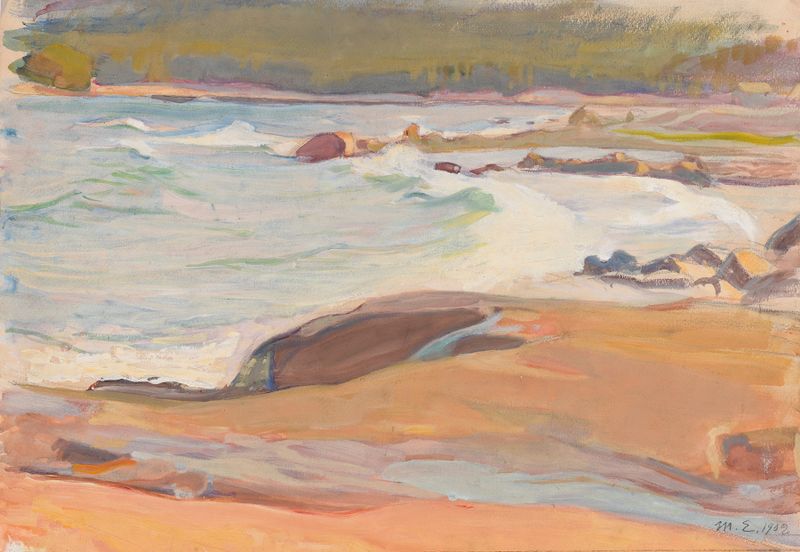
From Suursaari Island
Magnus Enckell
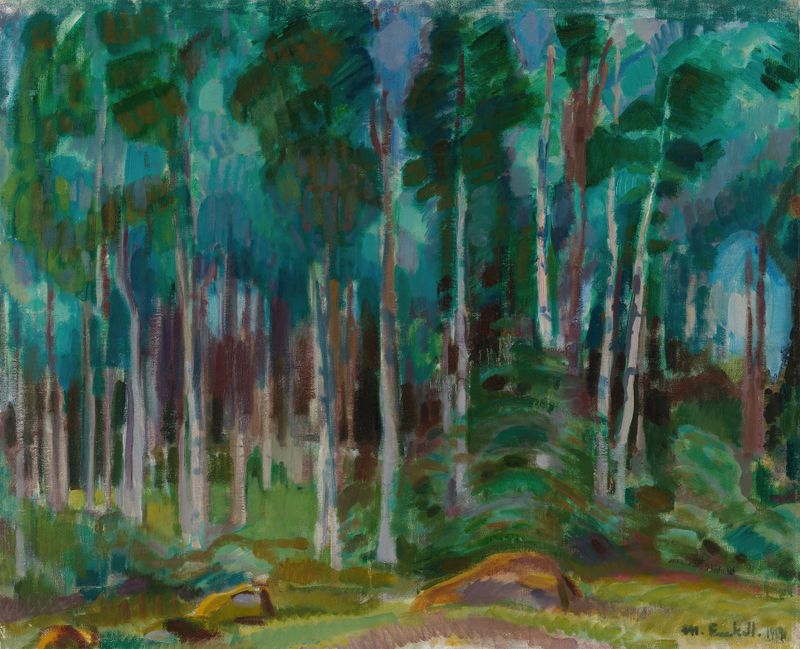
Birches in Vääksy
Magnus Enckell

Maisema, puita
Magnus Enckell

Maisema
Magnus Enckell

Maisema, puita
Magnus Enckell

Seaside Landscape from Suursaari Island
Magnus Enckell

Kaupunkikuva, puistoa, ajureita
Magnus Enckell

Puutarha
Magnus Enckell
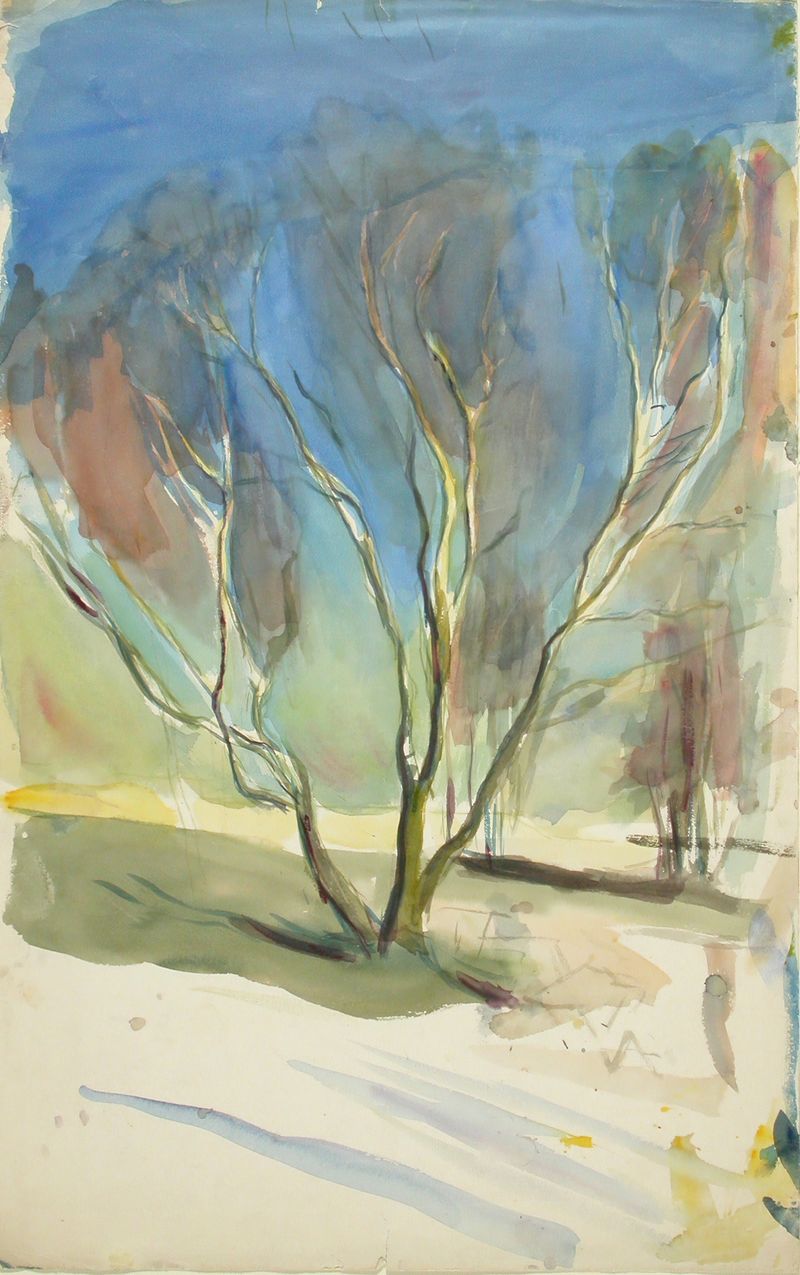
Landscape
Magnus Enckell

Maisema, pensaita, puita ja torni, luonnos
Magnus Enckell





