
Seine. Landscape with Poplars — History & Facts
In Seine. Landscape with Poplars, the viewer is invited to linger in the paradox of tranquility and turmoil, a fragile equilibrium captured within the strokes of the canvas. Look to the center, where the poplar trees rise majestically, their vertical lines emphasizing both strength and fragility. The muted hues of green and gold interlace, creating a soft glow that bathes the landscape in an ethereal light.
Notice how the brushwork dances lightly, almost hesitantly, across the surface, evoking a sense of movement that belies the stillness of the scene. The river flows subtly, a winding ribbon that draws the eye along the horizon, suggesting both continuity and change, a duality embedded within the serene facade. Beneath this picturesque facade lies a tension: the delicate balance between nature's beauty and the artist's psychological struggles. The trees, tower-like yet vulnerable, symbolize not just life, but the weight of mental fragility.
Each branch sways under an unseen pressure, mirroring the artist’s own descent into madness, while the shimmering water reflects a world both inviting and elusive, hinting at hidden depths of despair. This contrast speaks volumes about the experience of creation itself — the artist's brush is both a tool of expression and a double-edged sword. In 1877, Carl Fredrik Hill painted this piece during a tumultuous phase in his life, marked by the onset of mental illness. Living in France, he was grappling with both personal demons and the shifts in the art world towards Impressionism.
Hill’s brushstrokes signal a departure from conventional techniques, embodying the confusion and clarity that coexisted within him. This work stands as a testament to his complex relationship with beauty and madness, forever intertwined.
More Artworks by Carl Fredrik Hill
Browse all →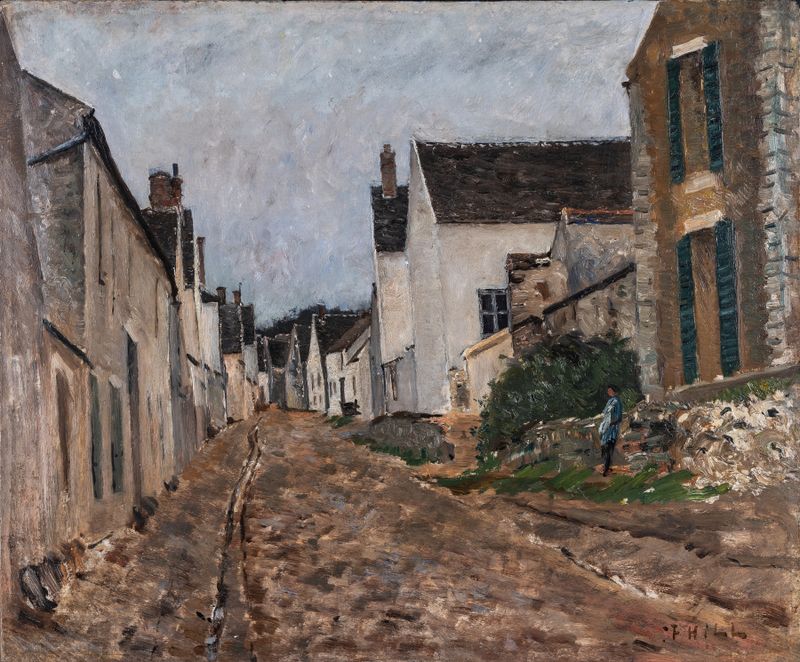
French Village Street, Montigny
Carl Fredrik Hill

The Tree and the River III (The Seine at Bois-le-Roi)
Carl Fredrik Hill
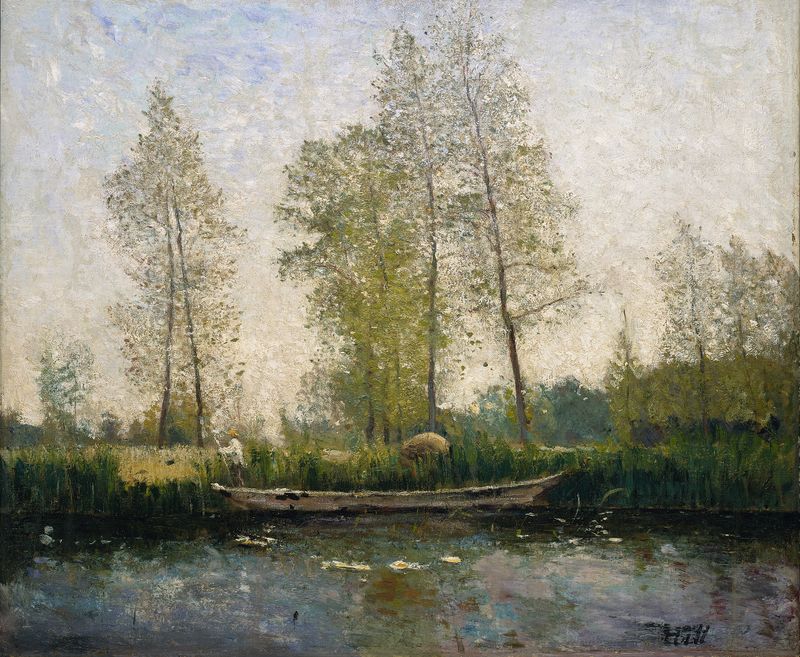
Seine. Motif from St Germain
Carl Fredrik Hill
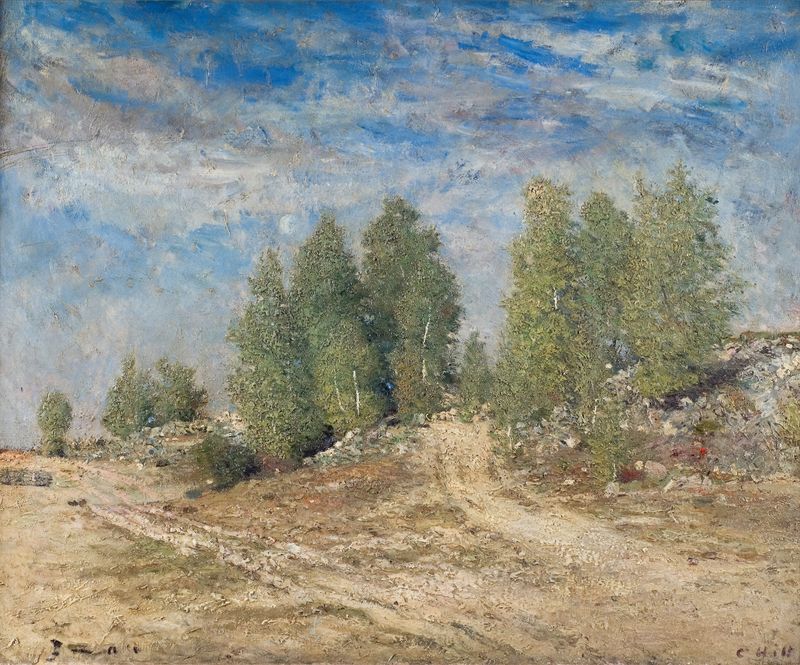
Gravel Slope
Carl Fredrik Hill
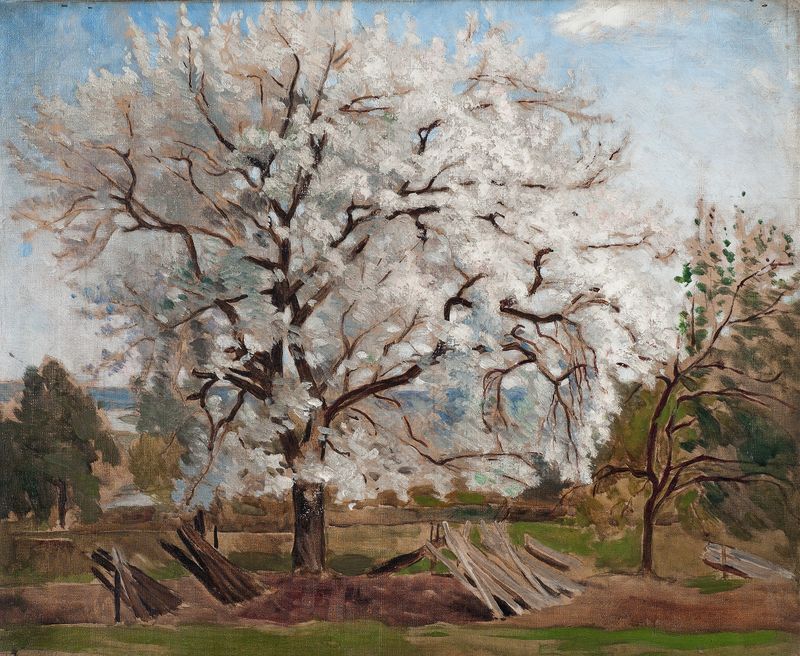
Apple Tree in Blossom
Carl Fredrik Hill
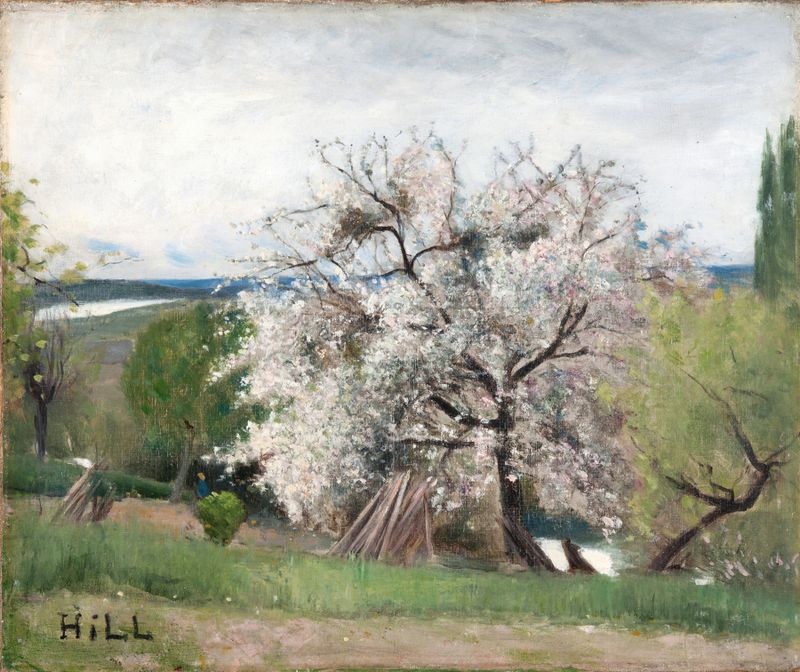
Fruit Tree in Blossom, Bois-le-Roi
Carl Fredrik Hill
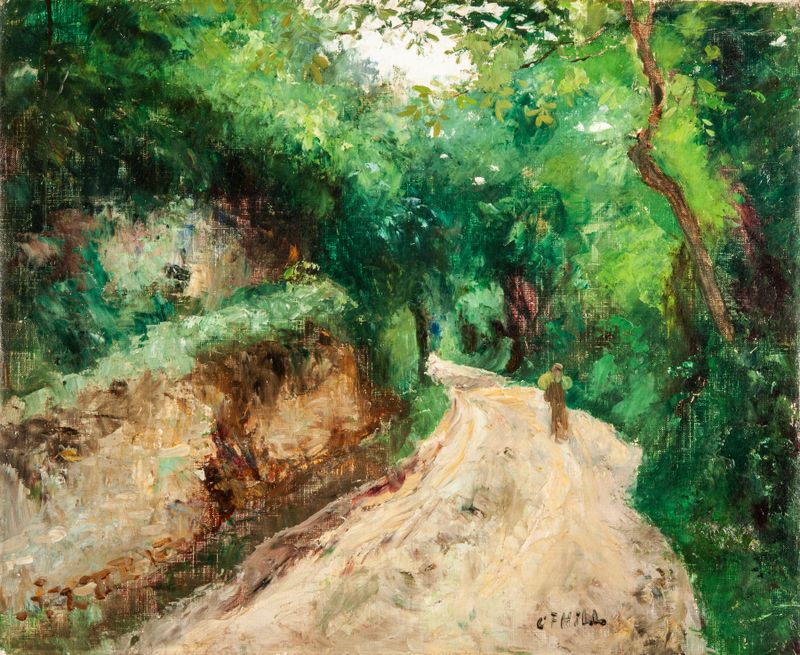
Hollow Road, Fountainebleau
Carl Fredrik Hill
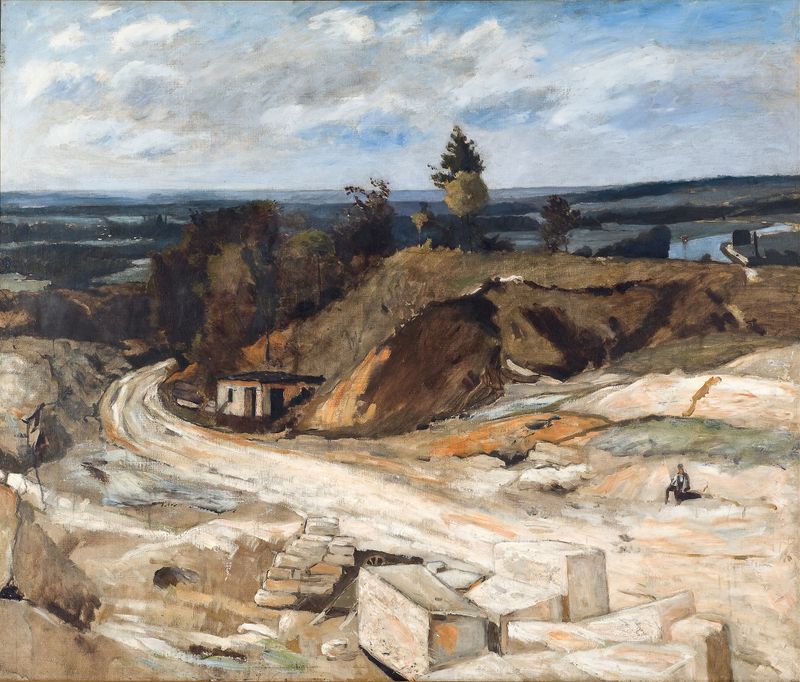
Stonequarry by the River Oise II
Carl Fredrik Hill
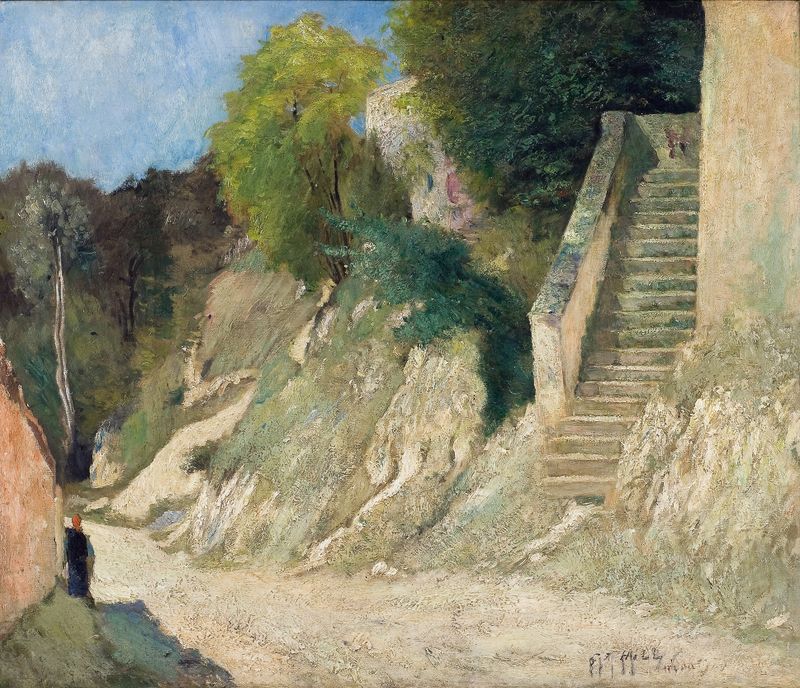
A Steep Ascent in Montigny-sur-Loing
Carl Fredrik Hill
The Beach at Luc
Carl Fredrik Hill





