
Self-Portrait — History & Facts
In Self-Portrait, Thomas Sully presents himself with a thoughtful expression, dressed in formal attire. The color palette features rich, warm tones, with deep browns and golds dominating the background. His face is illuminated, drawing attention to his features and the subtle details of his clothing.
The setting is simple, focusing on the artist's likeness rather than any elaborate background. The painting is executed in oil on canvas, a common medium for portraits during the Romantic period. Sully's brushwork is smooth, allowing for a lifelike representation of his skin tone and textures. The dimensions of the painting are approximately 76 x 63 cm, making it a sizable work that commands attention.
The use of light and shadow enhances the three-dimensionality of his face, showcasing his skill in capturing realism. Thomas Sully was a prominent American portrait painter known for his ability to convey personality and emotion. This Self-Portrait, created in the 1840s, reflects the Romantic style that emphasizes individual expression. An interesting fact about this work is that it was painted during a time when Sully was gaining recognition, marking a significant moment in his career.
His self-portraits are rare, making this piece particularly valuable for understanding his artistic identity.
More Artworks by Thomas Sully
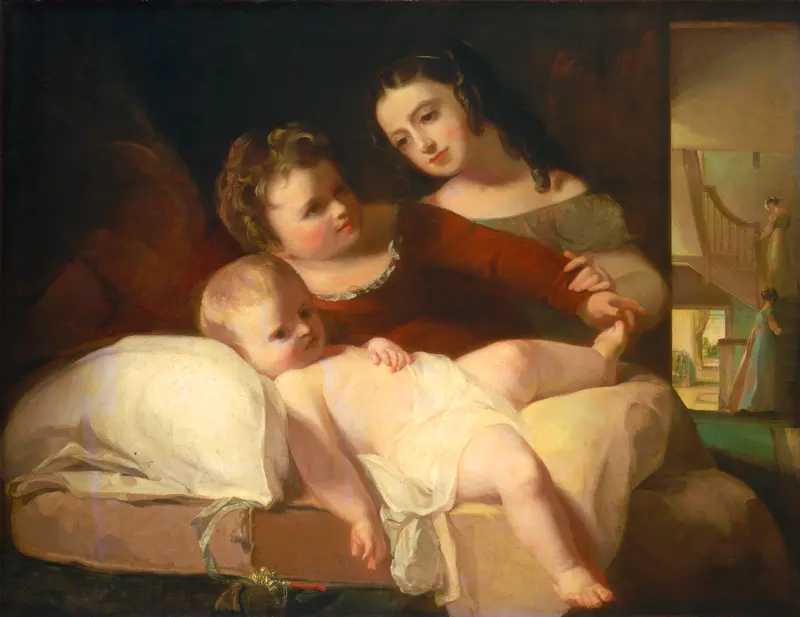
The David Children
Thomas Sully
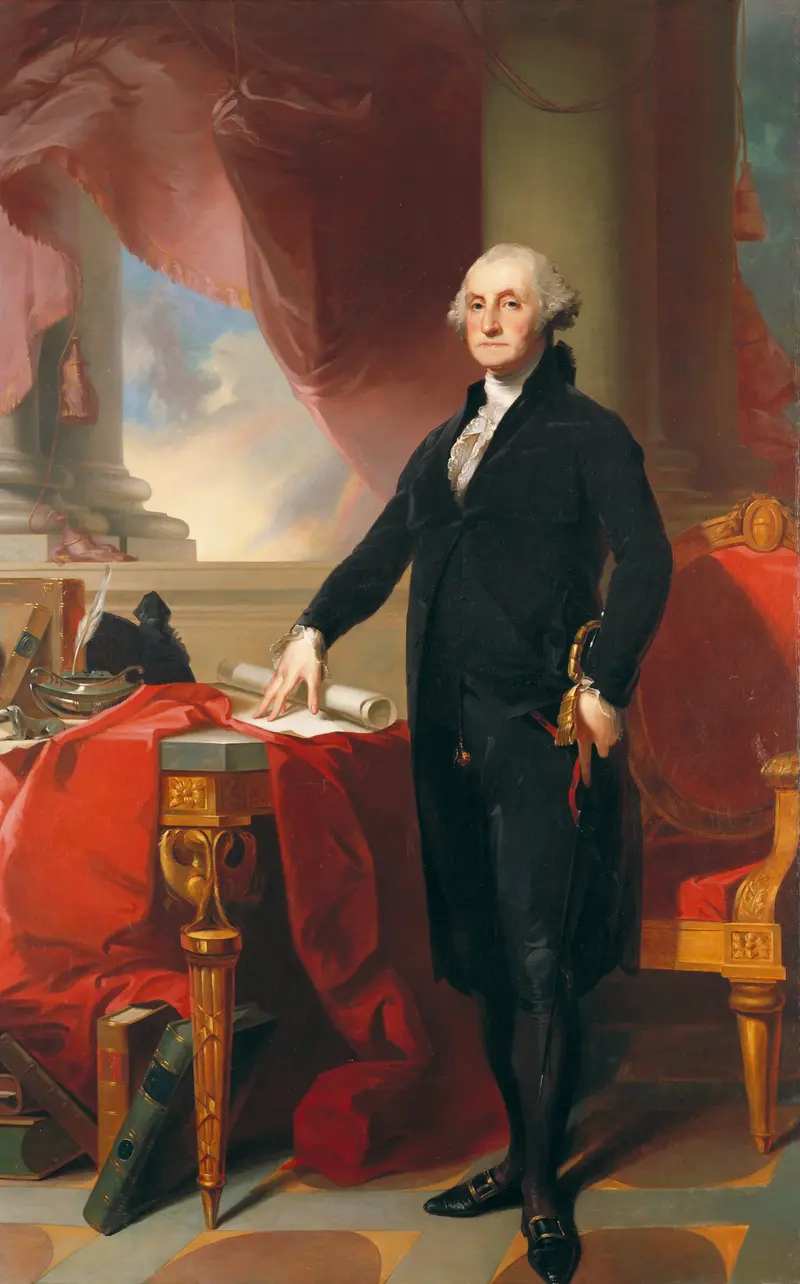
Portrait of George Washington
Thomas Sully
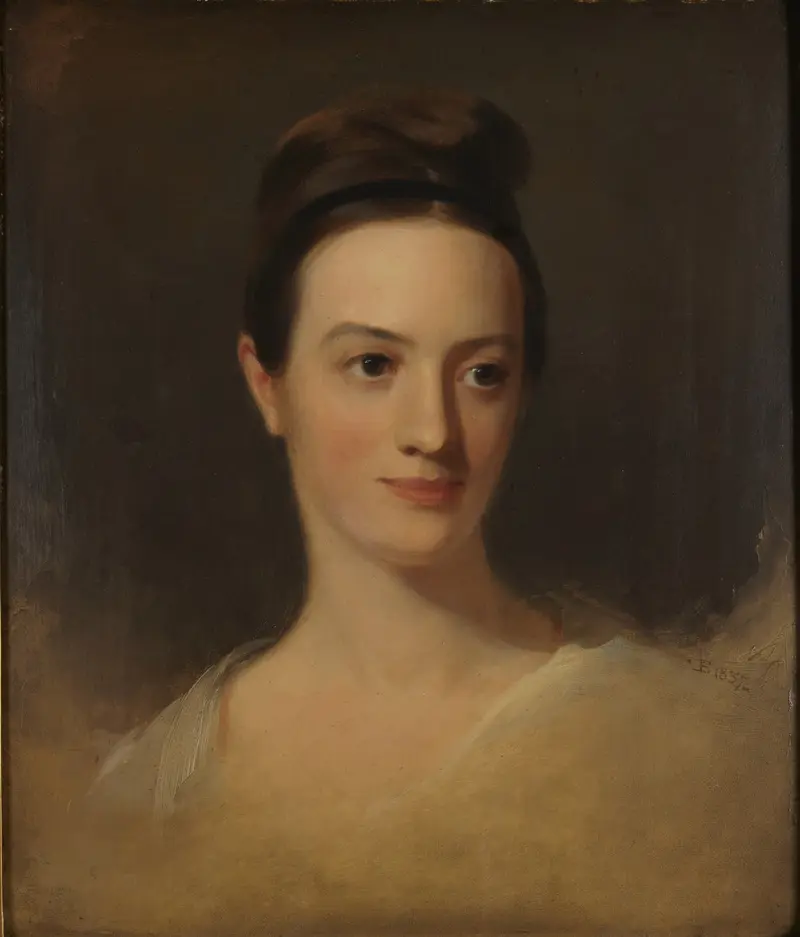
Mrs. William Alston (Caroline Thomas, daughter of Robinson Thomas)
Thomas Sully
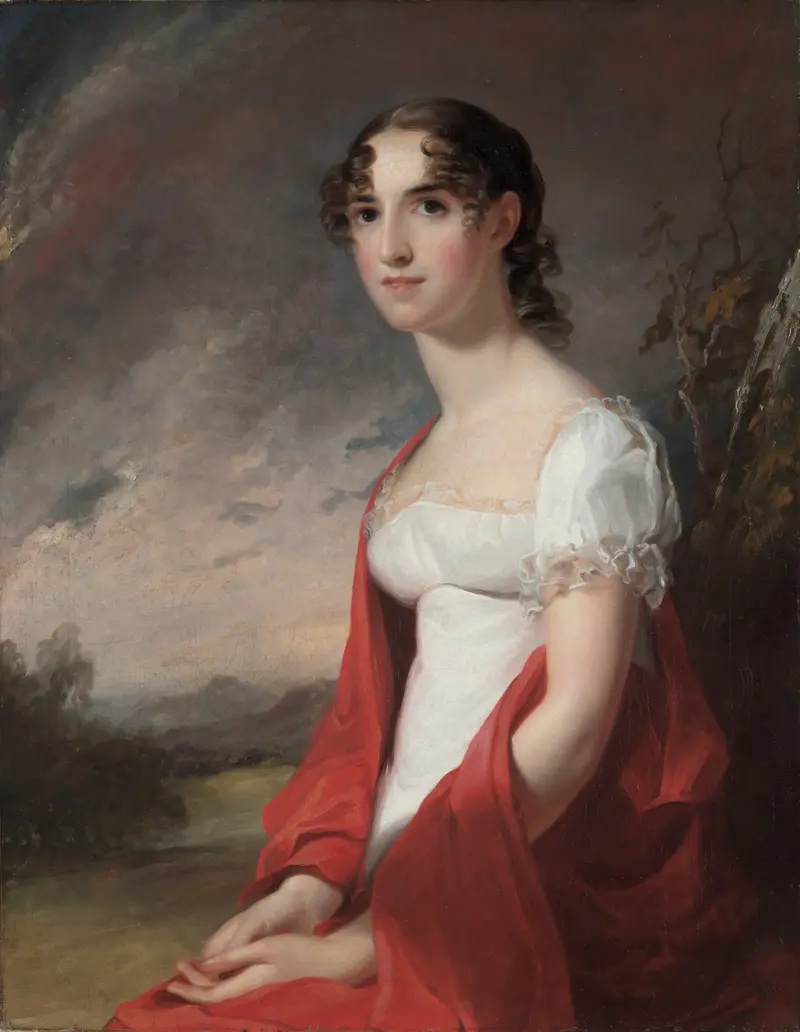
Portrait of Mary Sicard David
Thomas Sully
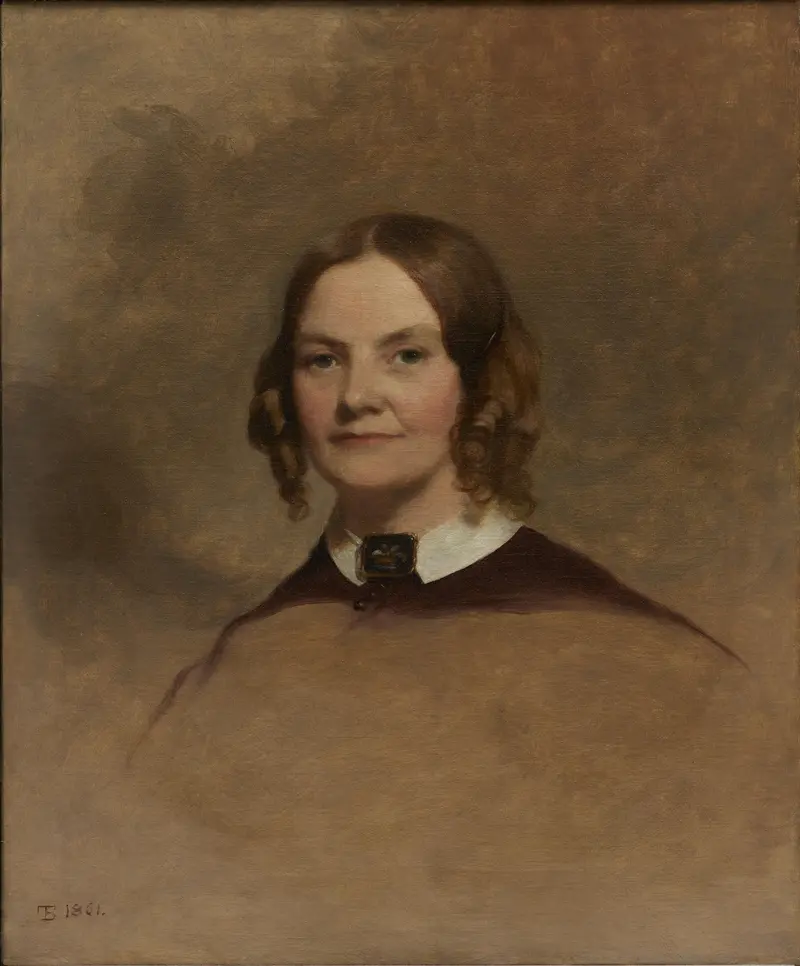
Portrait of Mrs. George H. Crossman
Thomas Sully
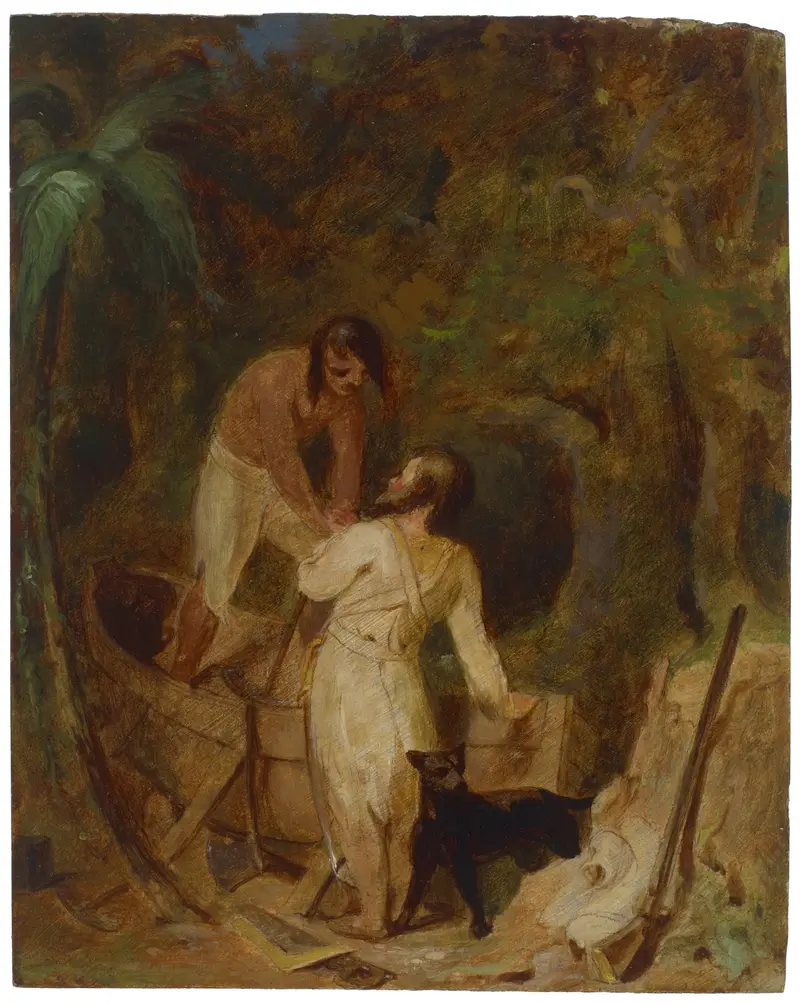
Boat Building by Robinson Crusoe and Friday
Thomas Sully
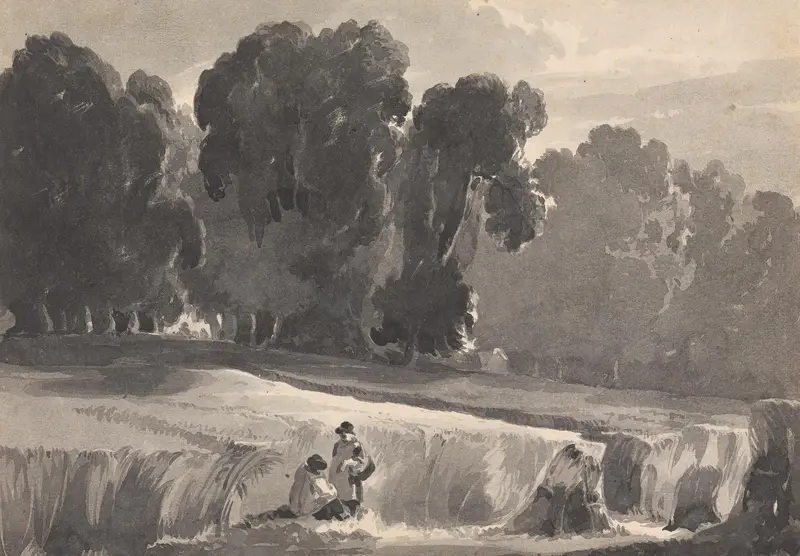
Landscape with Figures in Field
Thomas Sully
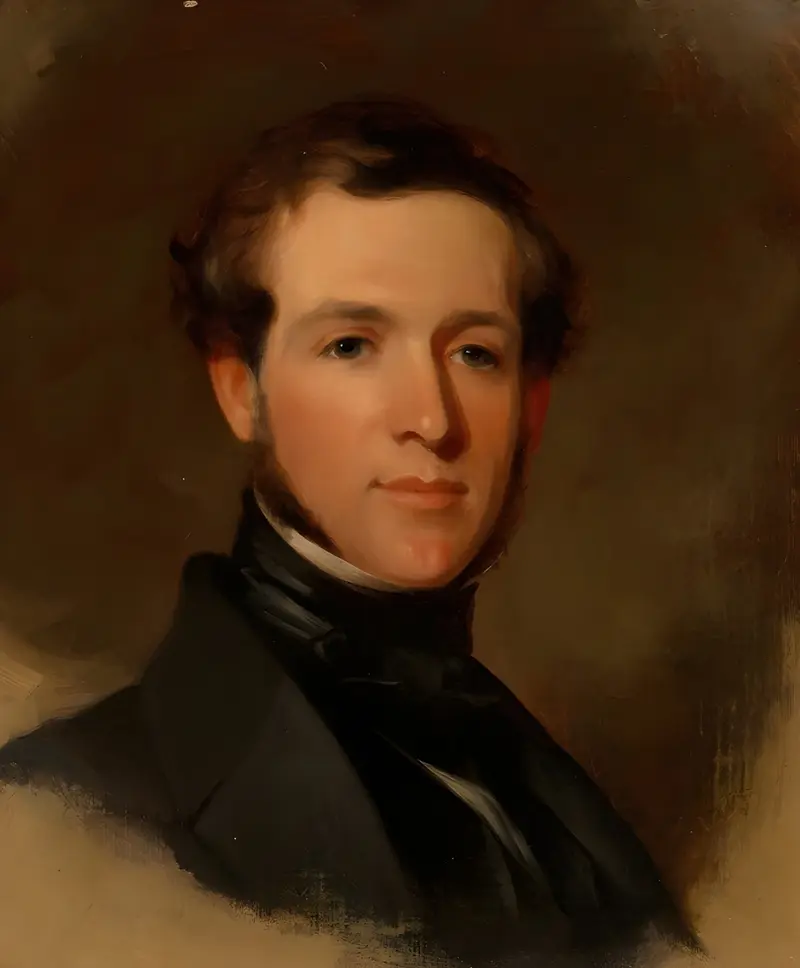
Jacob S. Snider, Jr.
Thomas Sully
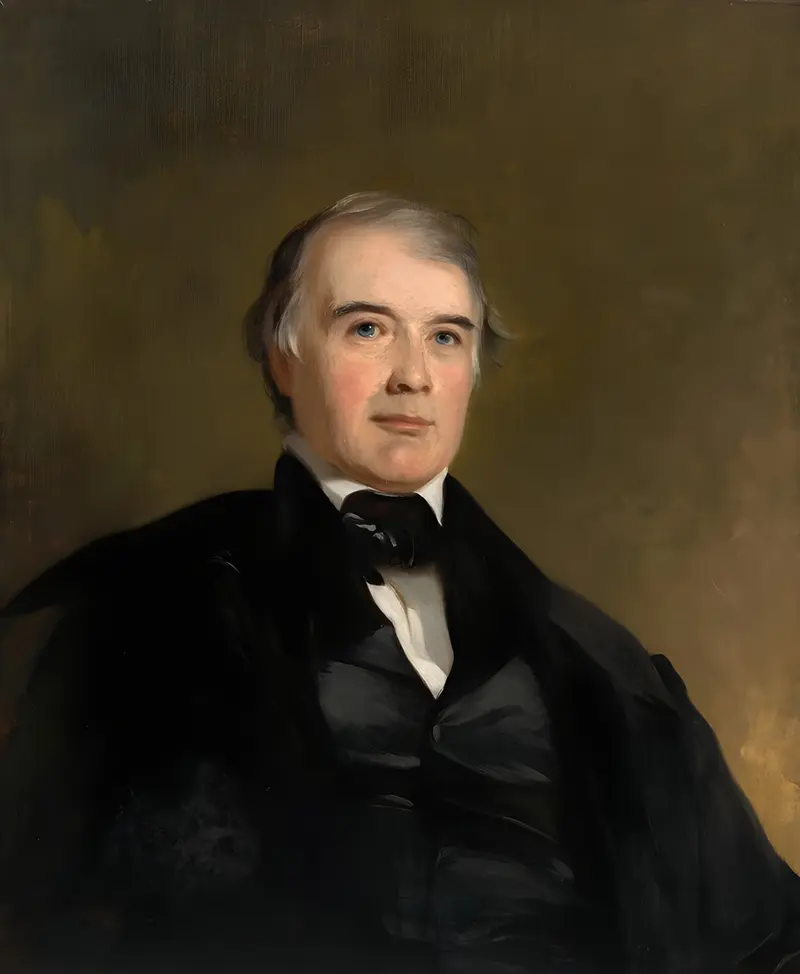
James Pollard Espy
Thomas Sully
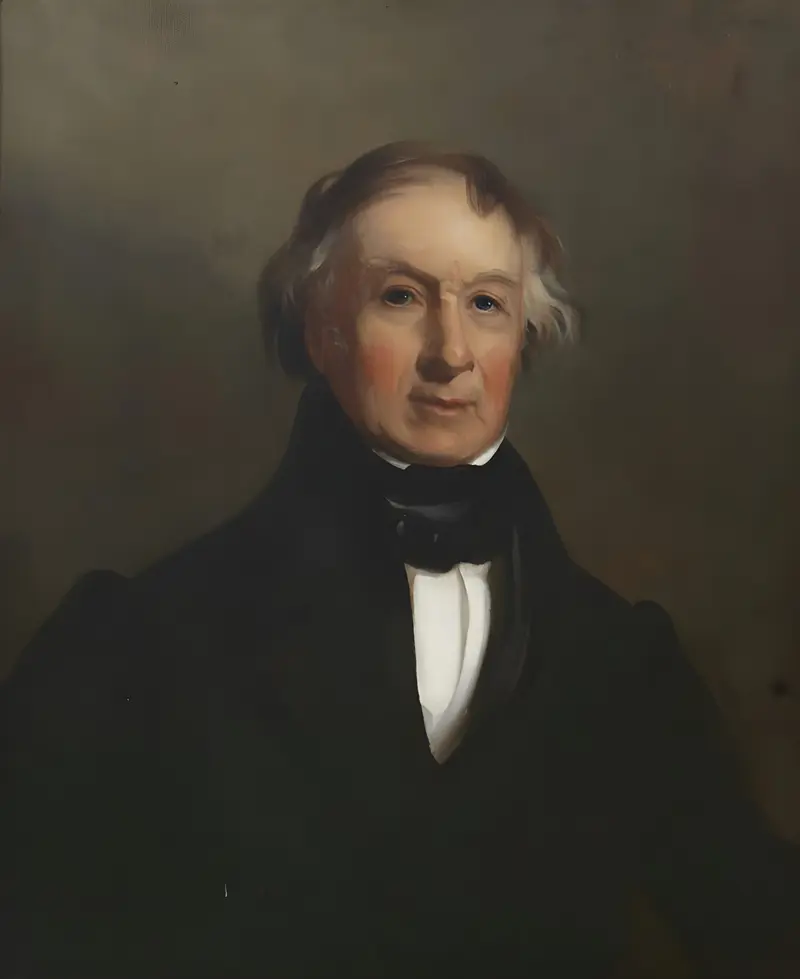
John Potter
Thomas Sully





