
Senegalese Wolf or Grey Jackal — History & Facts
In Senegalese Wolf or Grey Jackal, the viewer is greeted by a striking depiction of a wild animal in its natural habitat. The painting features a mix of earthy tones, with browns and greens dominating the scene. The wolf or jackal is portrayed in a dynamic pose, suggesting movement and vitality.
The background is lush, filled with foliage that enhances the sense of wilderness. The painting is executed in oil on canvas, a medium that allows for rich texture and depth. The brushwork is detailed, capturing the fine fur of the animal and the intricate details of the surrounding vegetation. The composition is balanced, drawing the eye to the central figure while providing context through the environment.
This attention to detail reflects the Romantic style that emphasizes nature and emotion. Charles Hamilton Smith was known for his interest in natural history and wildlife, often blending art with scientific observation. This particular work showcases his ability to capture the essence of animals in a way that resonates with viewers. An interesting fact about this painting is that it was likely created during a time when interest in exotic animals was growing in Europe, reflecting the broader Romantic fascination with nature and the wild.
More Artworks by Charles Hamilton Smith

Marengo, Bonaparte’s Arab
Charles Hamilton Smith
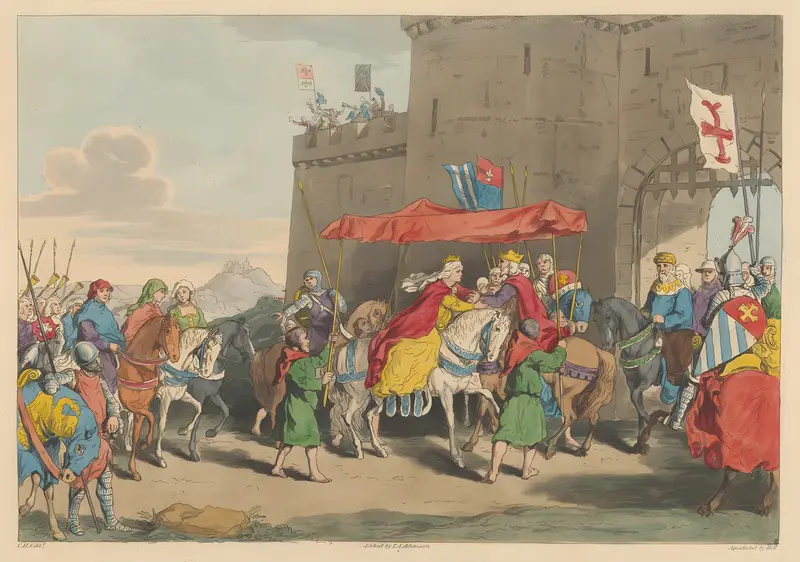
Costume of the Reign of King Henry III
Charles Hamilton Smith
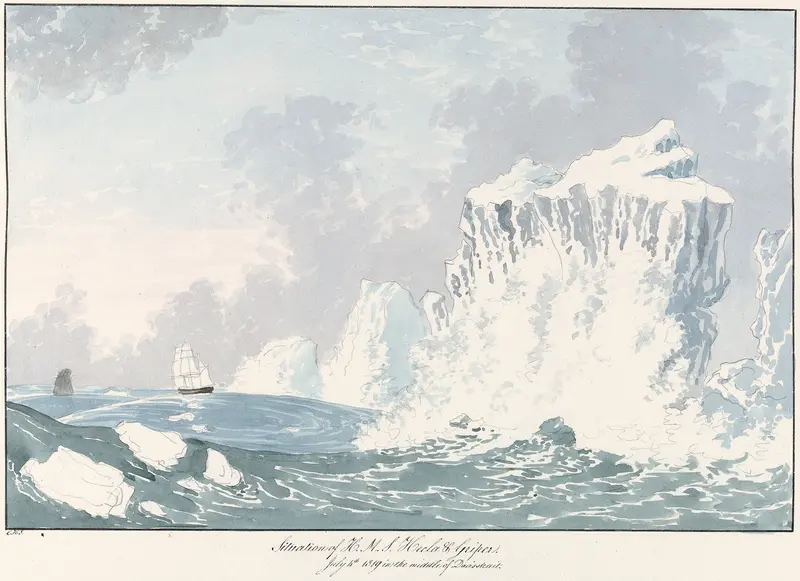
Situation of H.M.S. Hecla & Griper
Charles Hamilton Smith
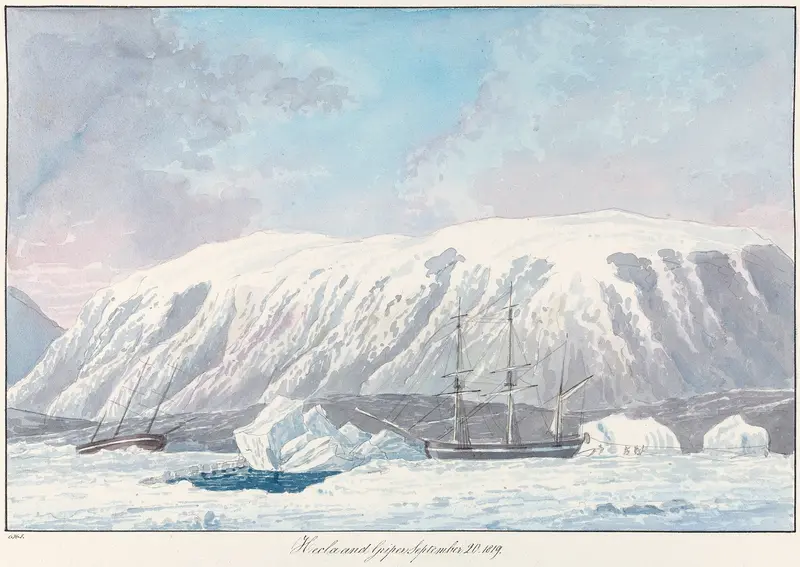
Hecla and Griper
Charles Hamilton Smith
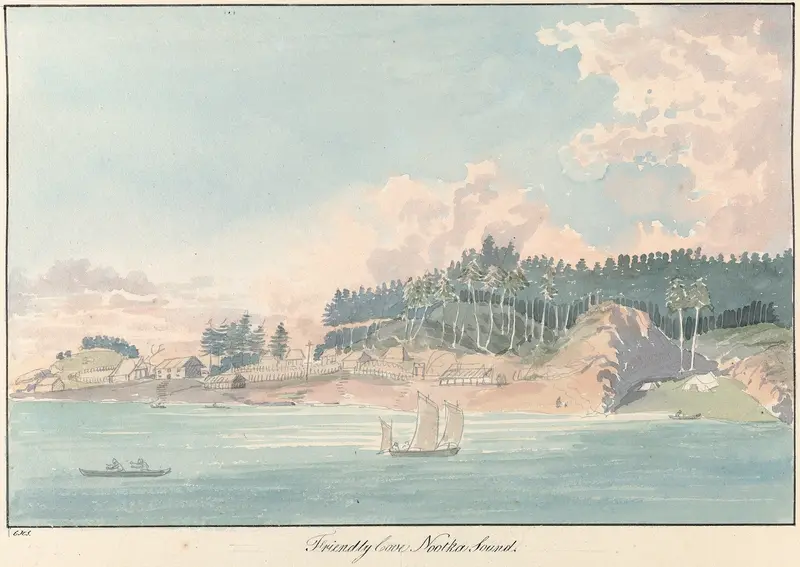
Friendly Cove, Nootka Sound
Charles Hamilton Smith
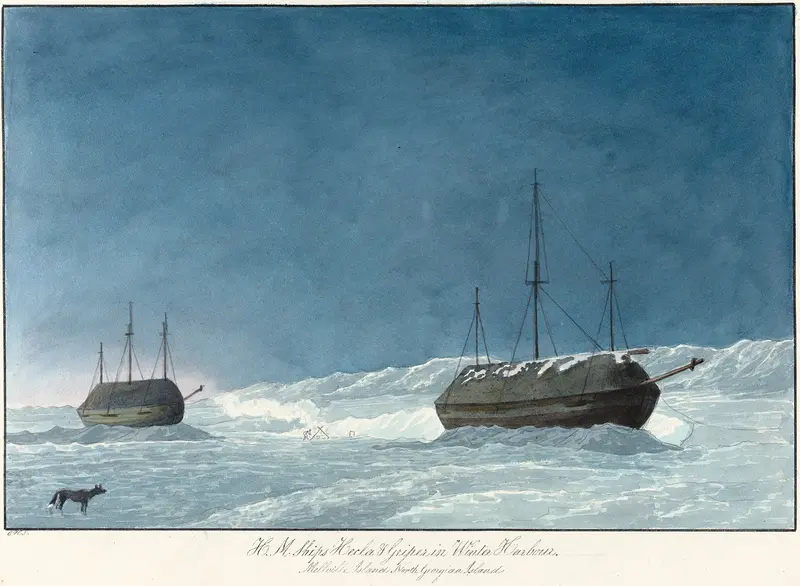
H. M. Ships Hecla and Griper in Winter Harbour
Charles Hamilton Smith
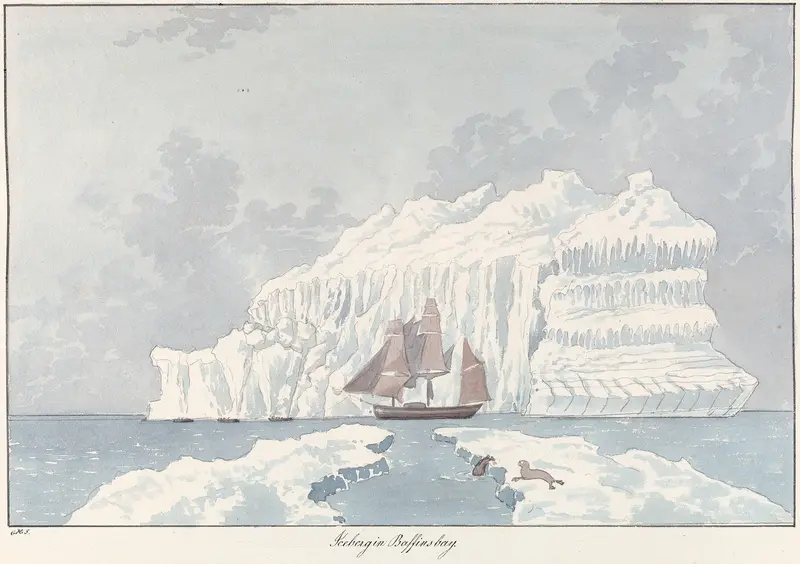
Iceberg in Baffin’s Bay
Charles Hamilton Smith
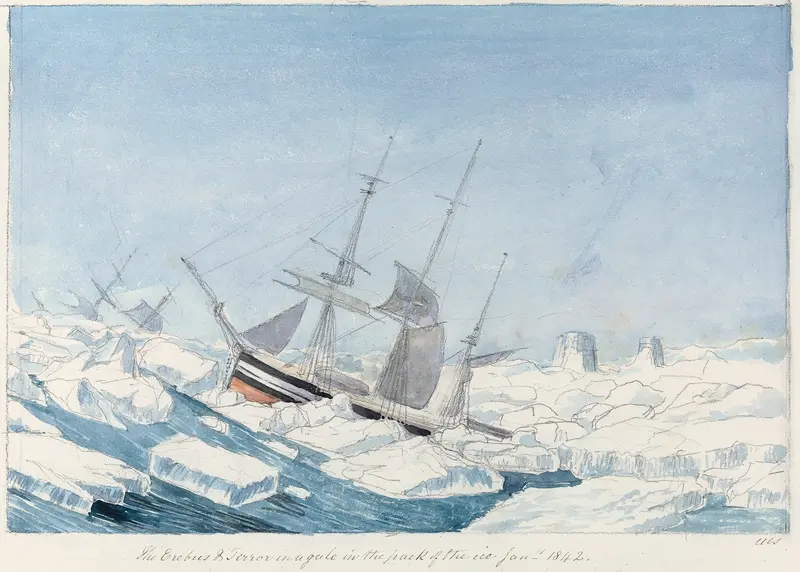
The Erebus & Terror in a Gale in the Pack of the Ice
Charles Hamilton Smith
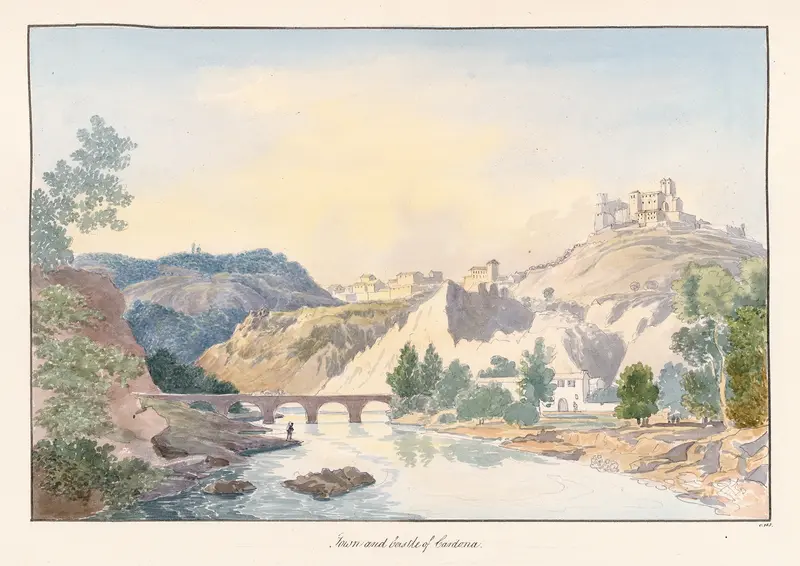
Town and Castle of Cardona
Charles Hamilton Smith
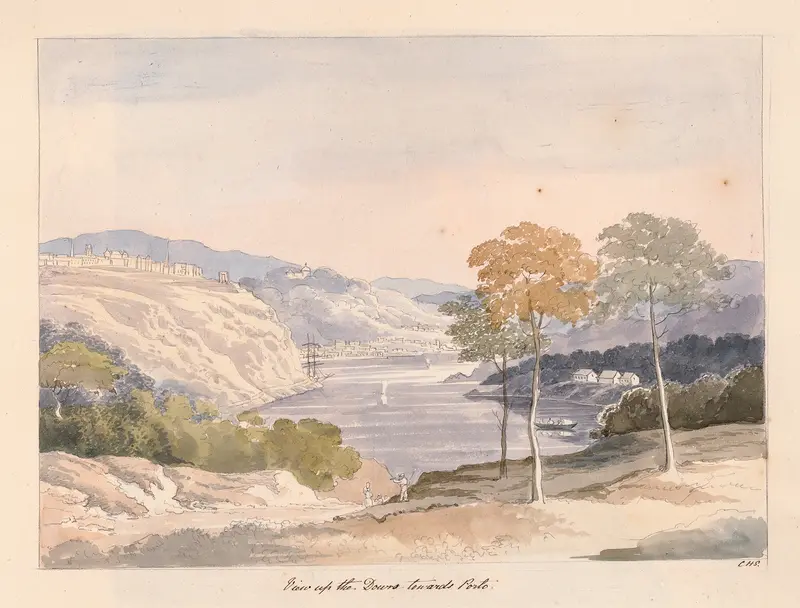
View of the Douro towards Porto
Charles Hamilton Smith





