
Serena Pulitzer Lederer (1867–1943) — History & Facts
In Serena Pulitzer Lederer (1867–1943) by Gustav Klimt, the viewer is greeted by a striking portrait of a woman. The colors are rich and vibrant, with gold and deep hues dominating the canvas. The figure is adorned in elaborate patterns, showcasing Klimt's signature decorative style.
The background is filled with intricate designs that enhance the subject's presence. The painting is executed in oil on canvas, a medium that allows for the depth and texture seen in Klimt's work. The dimensions are approximately 90 x 120 cm, making it a substantial piece. Klimt's technique involves layering colors and patterns, creating a sense of movement and life.
The use of gold leaf is also a hallmark of his style, adding a luxurious quality to the portrait. Gustav Klimt was a key figure in the Vienna Secession movement, which sought to break away from traditional art forms. This portrait of Serena Pulitzer Lederer reflects his fascination with the female form and the use of symbolism. An interesting fact about this work is that it captures not only the likeness of Lederer but also the cultural context of early 20th-century Vienna.
Klimt's portraits often convey a sense of intimacy and complexity, making them highly regarded in art history.
More Artworks by Gustav Klimt

The Kiss
Gustav Klimt
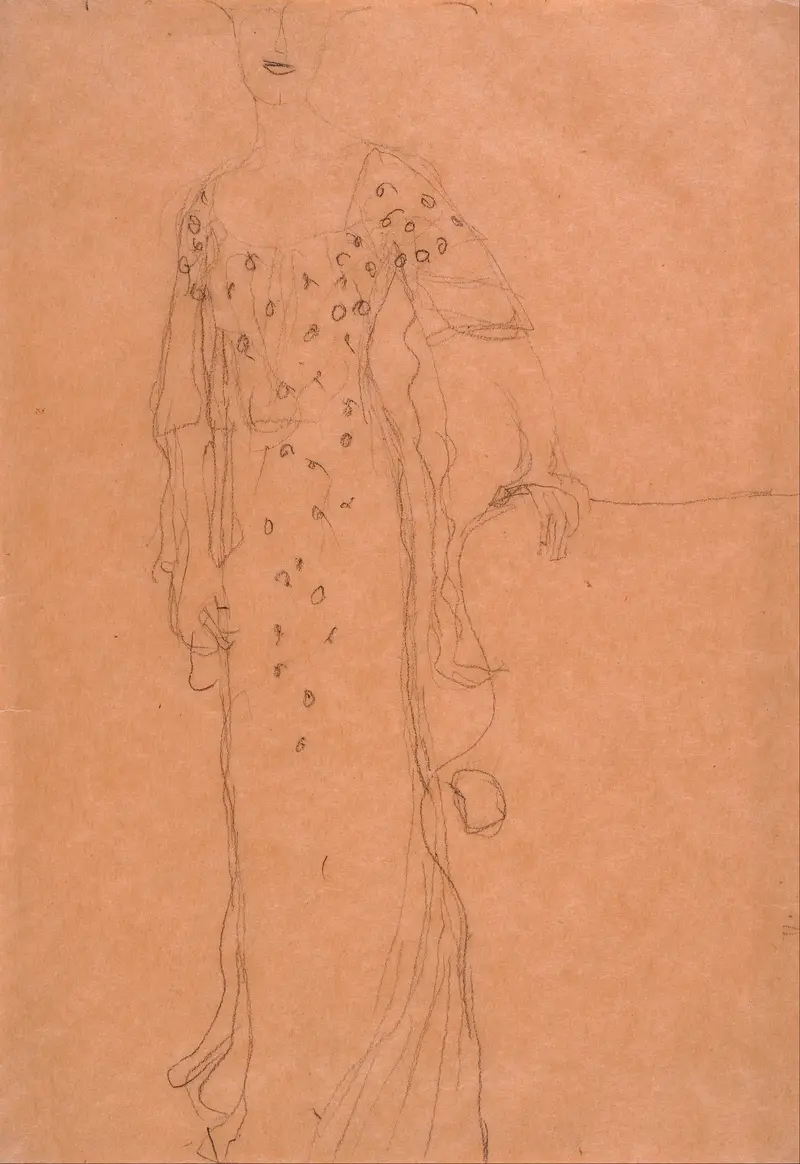
Study for Portrait of Adele Bloch-Bauer I
Gustav Klimt

Woman with fan
Gustav Klimt
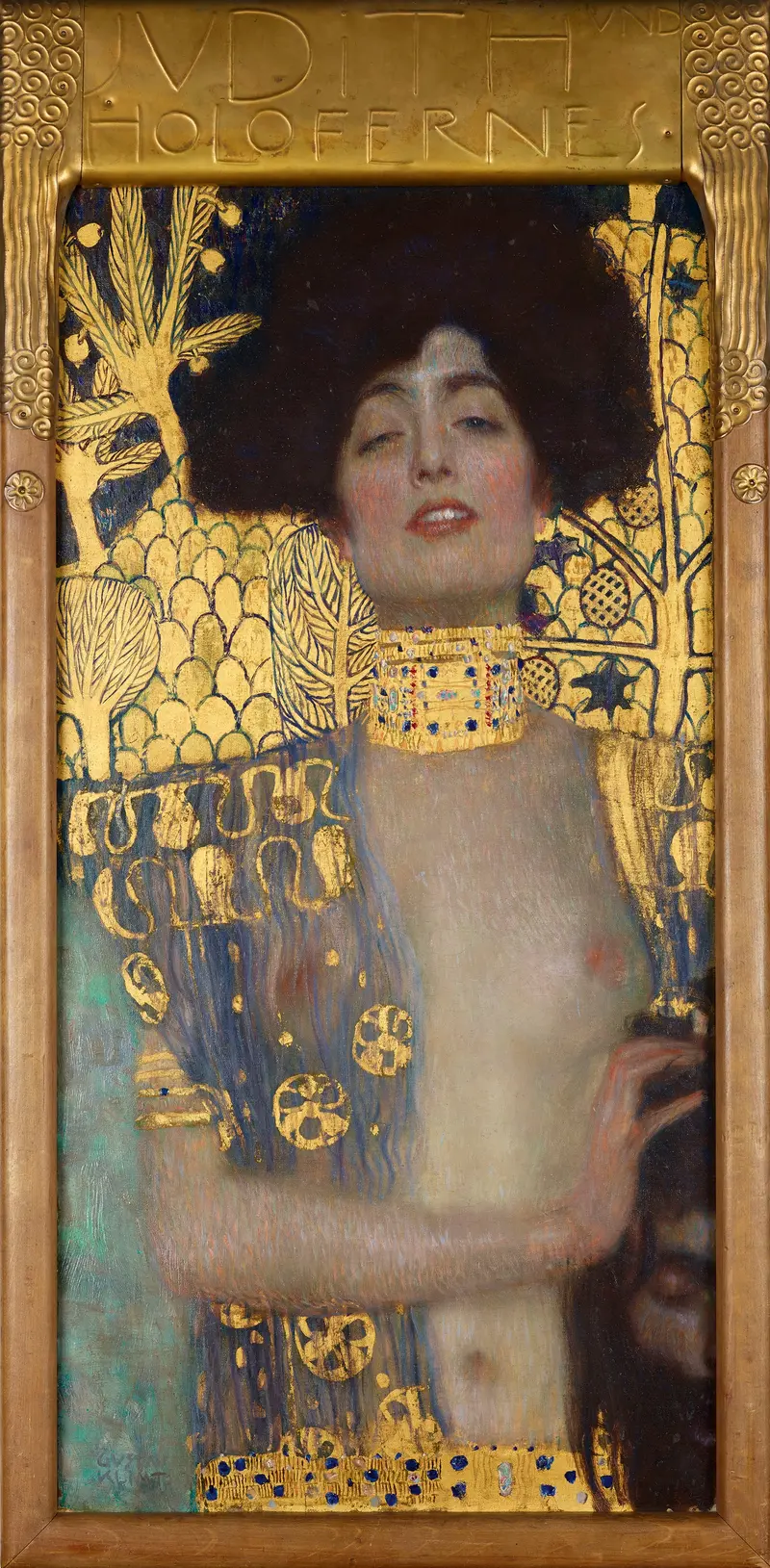
Judith
Gustav Klimt

Portrait of Adele Bloch-Bauer I
Gustav Klimt
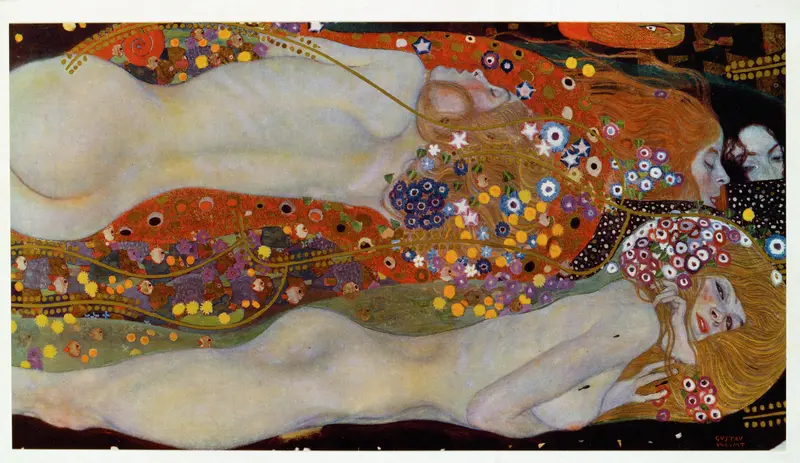
Water Serpents II
Gustav Klimt

Mäda Primavesi
Gustav Klimt

Portrait of Rose von Rosthorn-Friedmann
Gustav Klimt
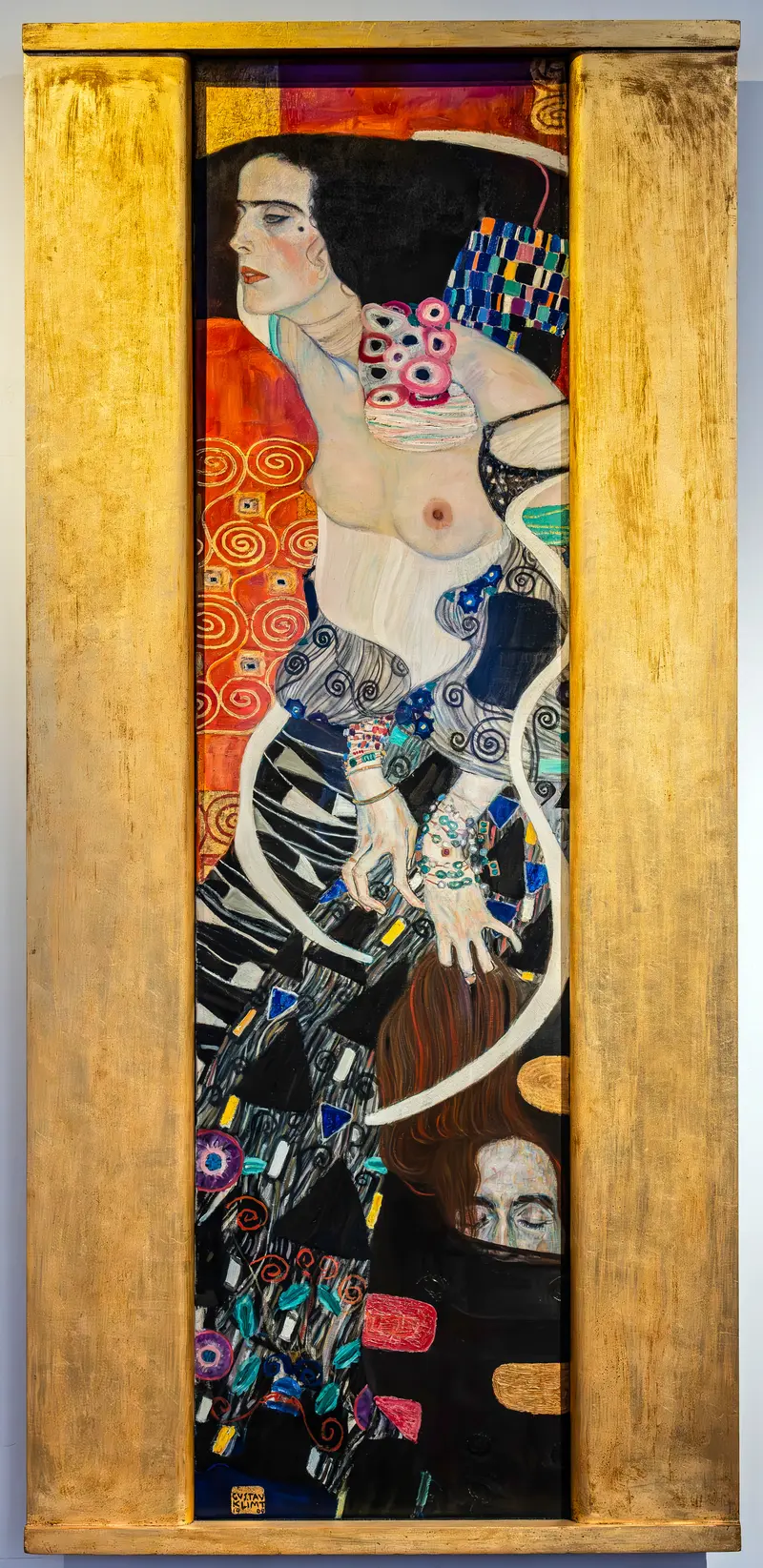
Judith II (Salome)
Gustav Klimt

The Three Ages of the Woman
Gustav Klimt





