
Discover insights about this artwork
Judith — History & Facts
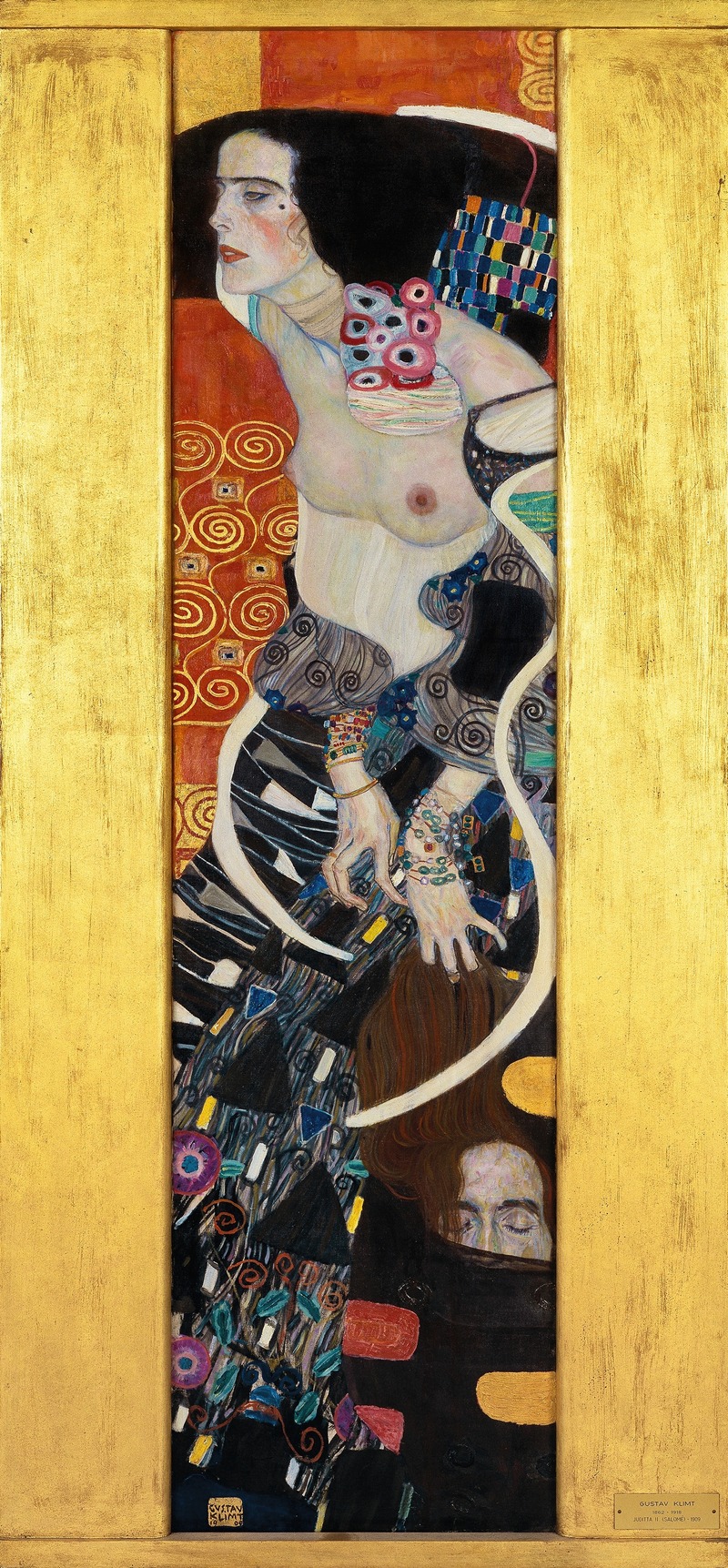
In Judith, Gustav Klimt presents a striking figure of Judith, adorned in a lavish gown decorated with intricate patterns. The colors are rich and vibrant, with deep reds, golds, and greens dominating the composition. Judith's expression is both confident and enigmatic, drawing the viewer's attention.
The background features a shimmering gold that enhances the overall opulence of the painting. The painting is created using oil on canvas, a medium that allows for the rich textures and colors seen in Klimt's work. The dimensions of Judith are approximately 90 x 80 cm, making it a substantial piece that commands attention. Klimt's characteristic use of gold leaf is evident, adding a luxurious quality to the surface.
The intricate patterns on Judith's dress reflect Klimt's signature style, merging decorative art with portraiture. Gustav Klimt was a prominent figure in the Vienna Secession movement, known for his unique blend of symbolism and decorative art. Judith, painted around 1901, showcases his fascination with female figures and themes of power and seduction. An interesting fact about this work is that it draws inspiration from the biblical story of Judith, who beheaded the Assyrian general Holofernes, symbolizing female strength and autonomy.
Klimt's portrayal of Judith is both alluring and powerful, capturing the complexity of her character.
More Artworks by Gustav Klimt
The kiss
Gustav Klimt
Portrait of Adele Bloch-Bauer I
Gustav Klimt
Judith II (Salome)
Gustav Klimt
Woman with fan
Gustav Klimt
The kiss (lovers)
Gustav Klimt
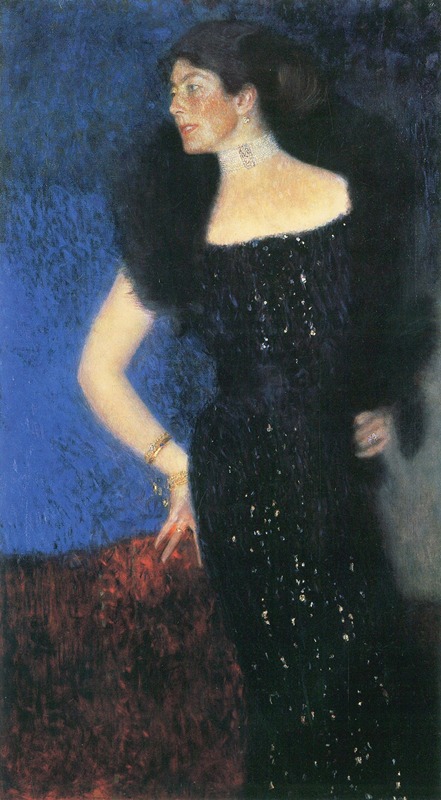
Portrait of Rose von Rosthorn-Friedmann
Gustav Klimt
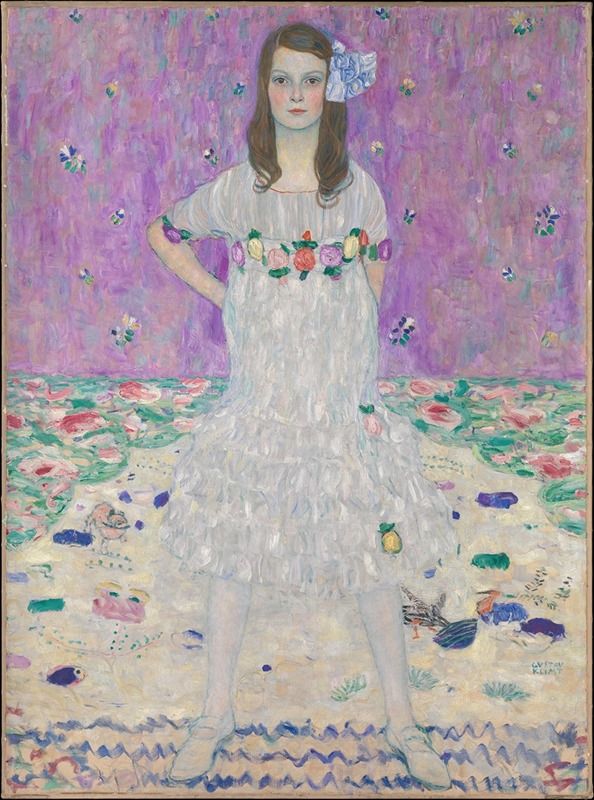
Mäda Primavesi
Gustav Klimt
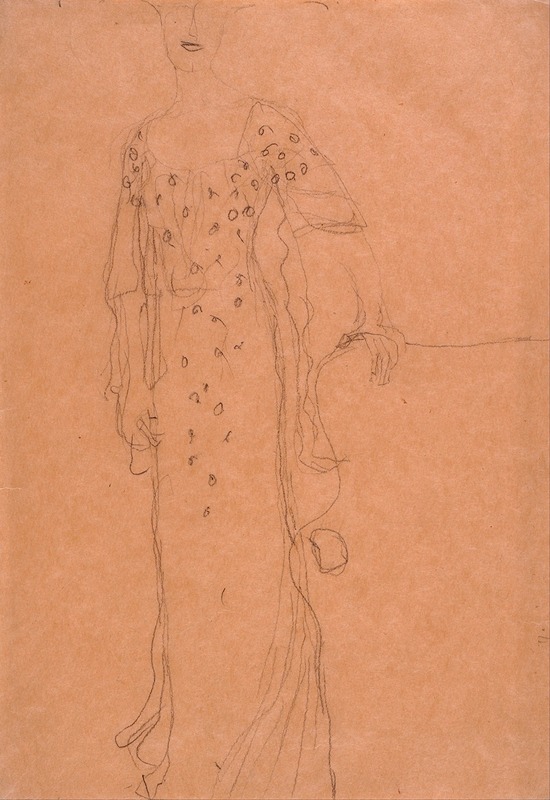
Study for Portrait of Adele Bloch-Bauer I
Gustav Klimt
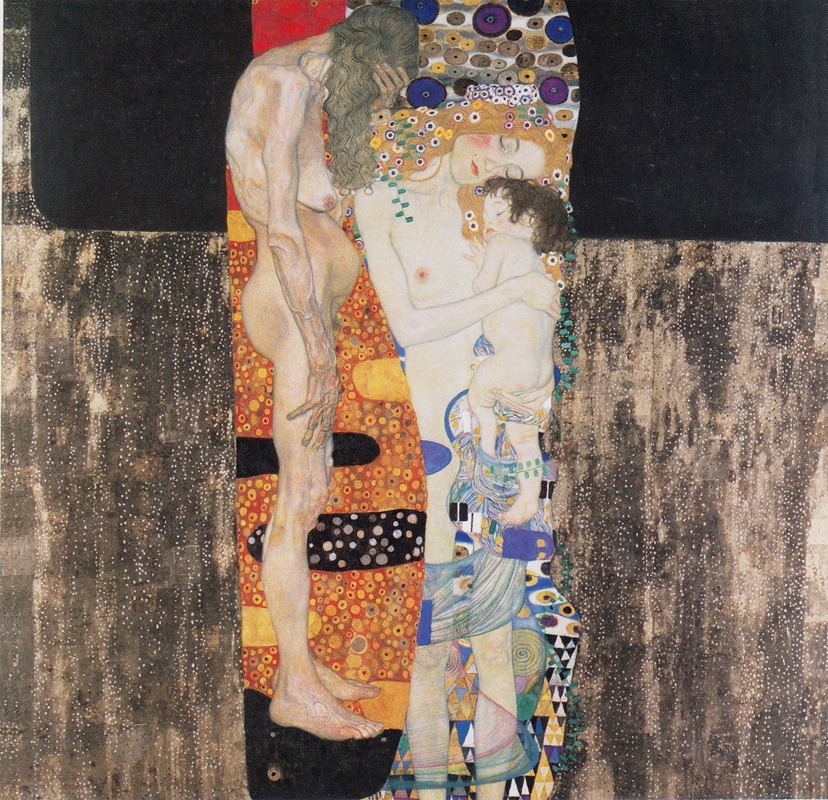
The Three Ages of the Woman
Gustav Klimt
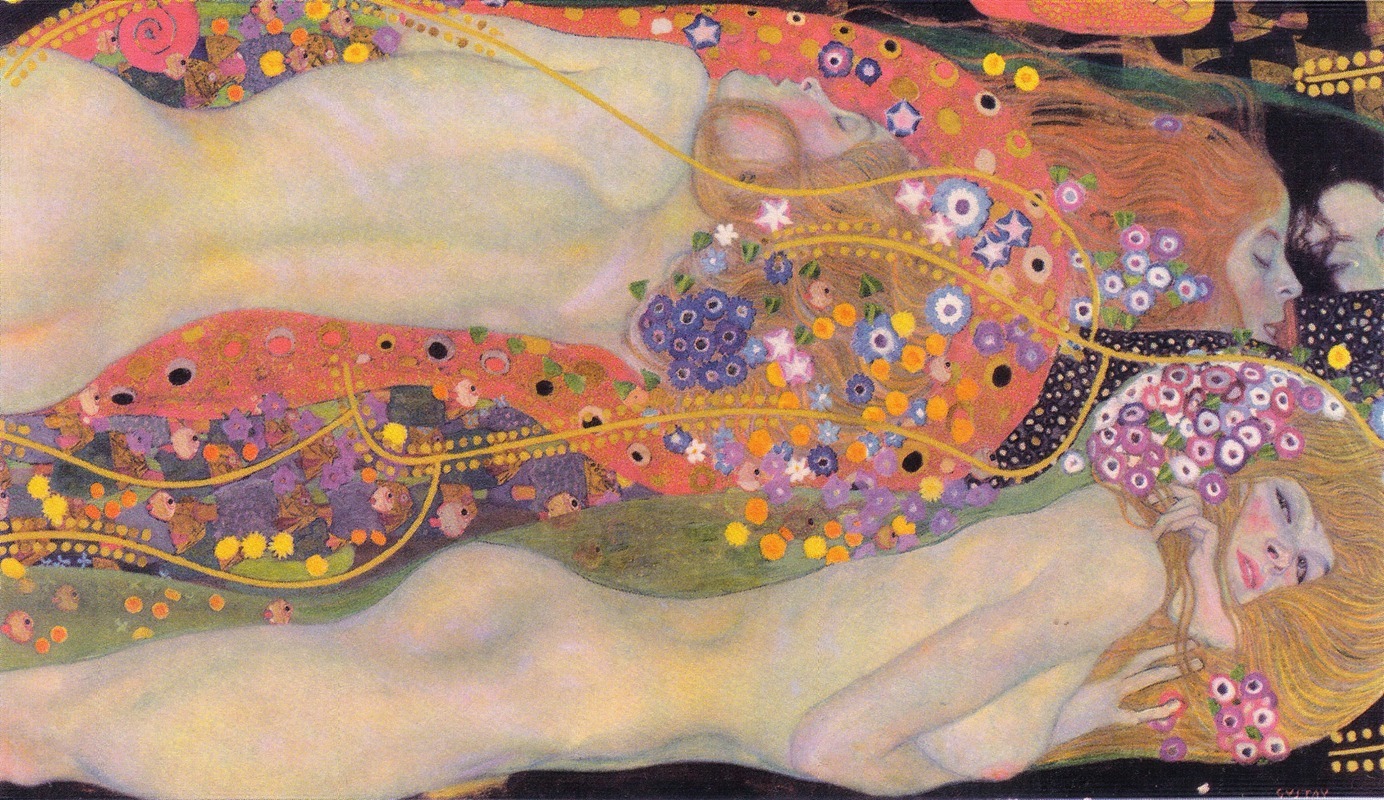
Water Serpents II
Gustav Klimt
More Historical Art
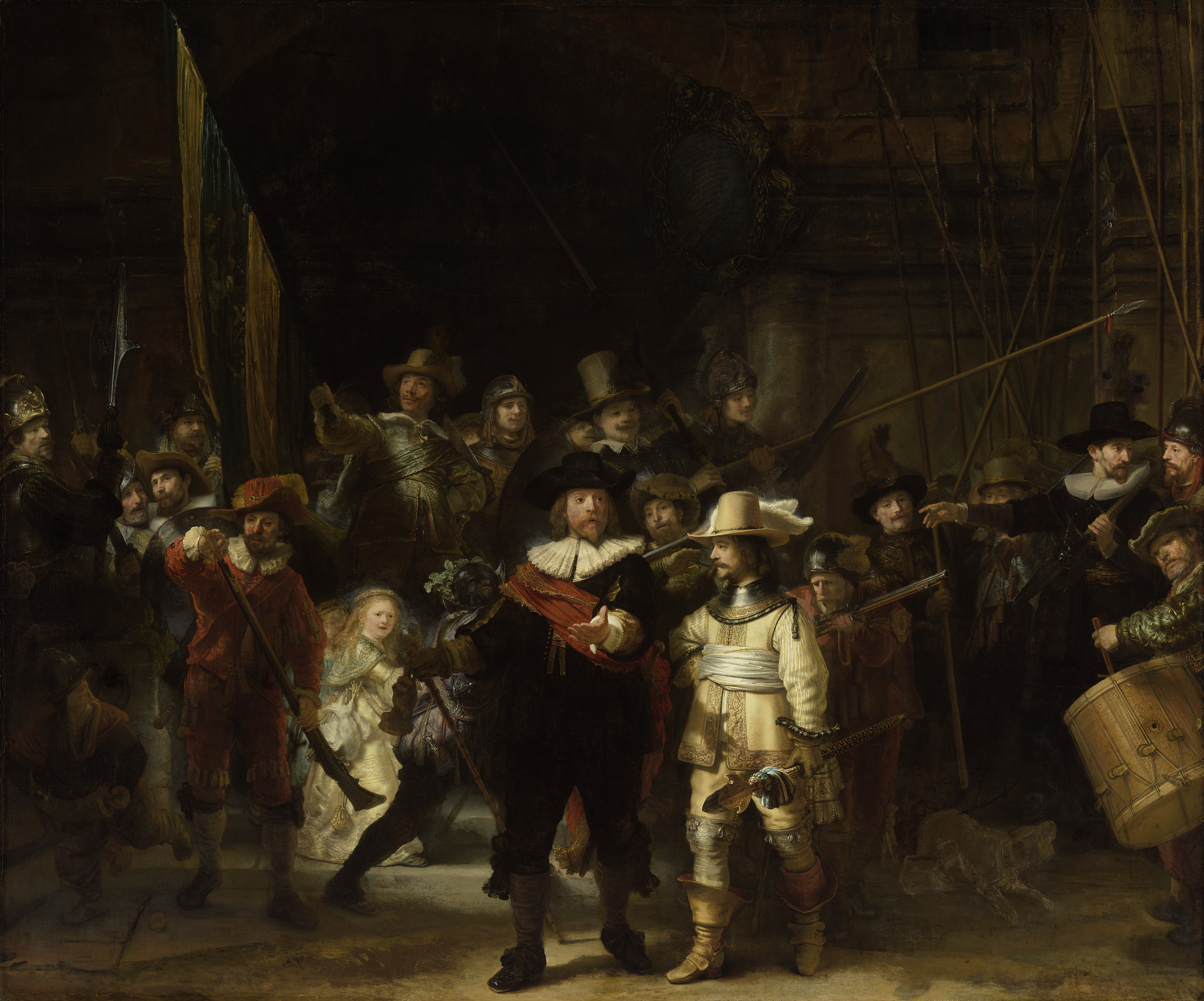
The Night Watch Militia Company of District II under the Command of Captain Frans Banninck Cocq
Rembrandt van Rijn
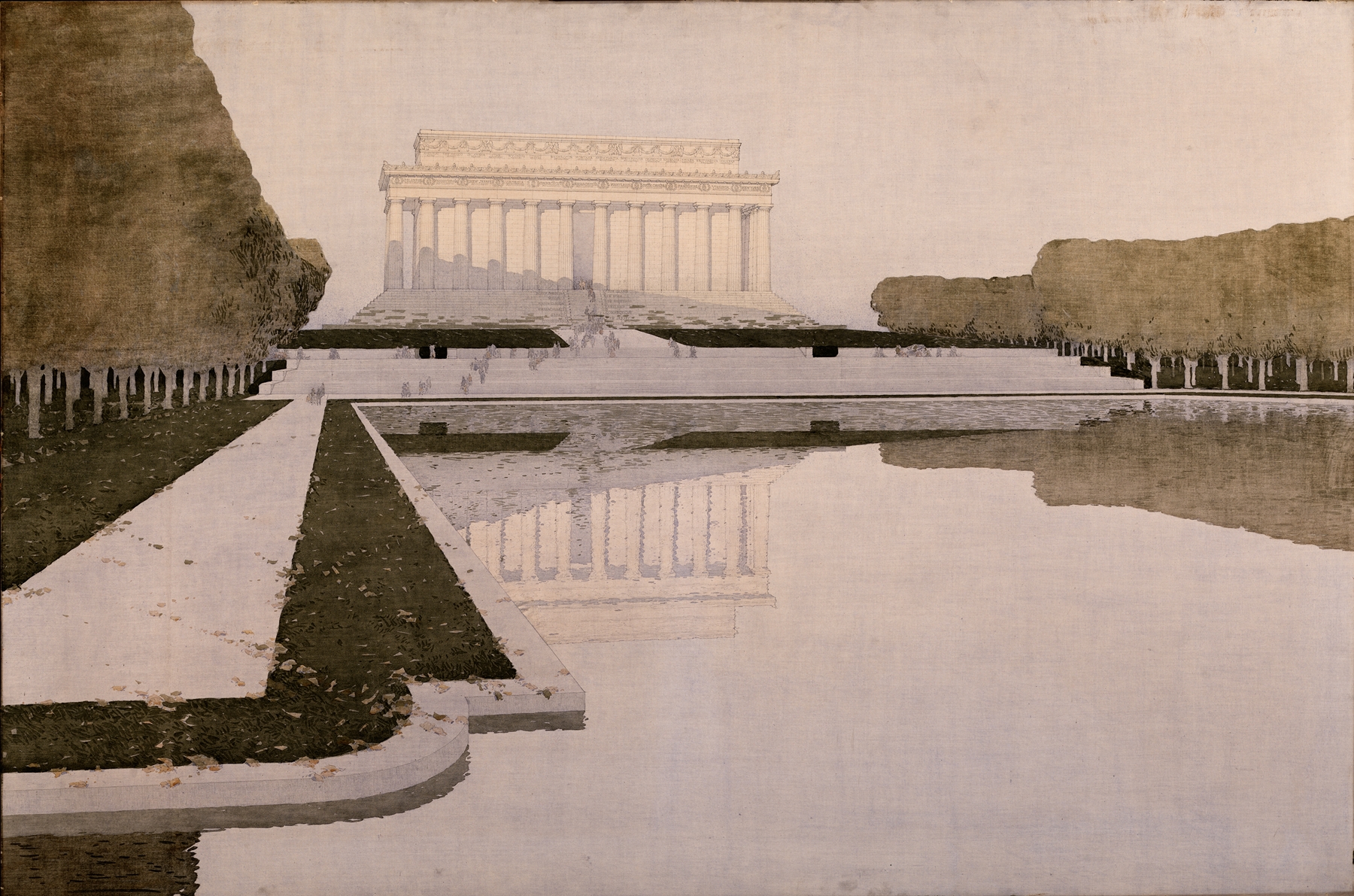
Lincoln Memorial
Henry Bacon
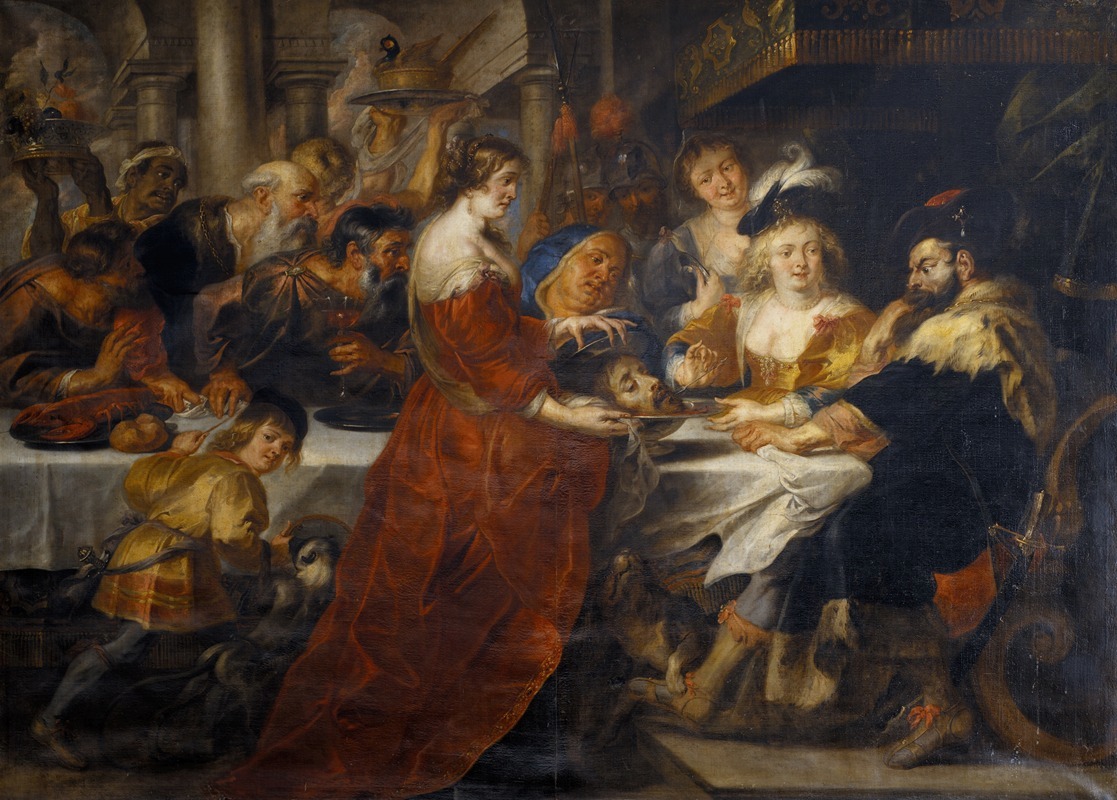
The Feast of Herod. Salome Bringing the Head of St John the Baptist on a Charger
Peter Paul Rubens
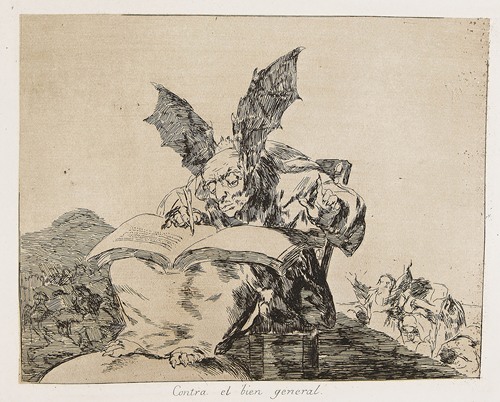
Los desastres de la guerra
Francisco de Goya
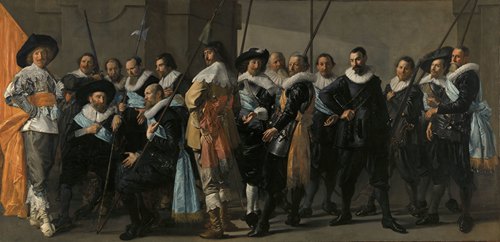
Militia Company of District XI under the Command of Captain Reynier Reael, Known as ‘The Meagre Company’
Frans Hals
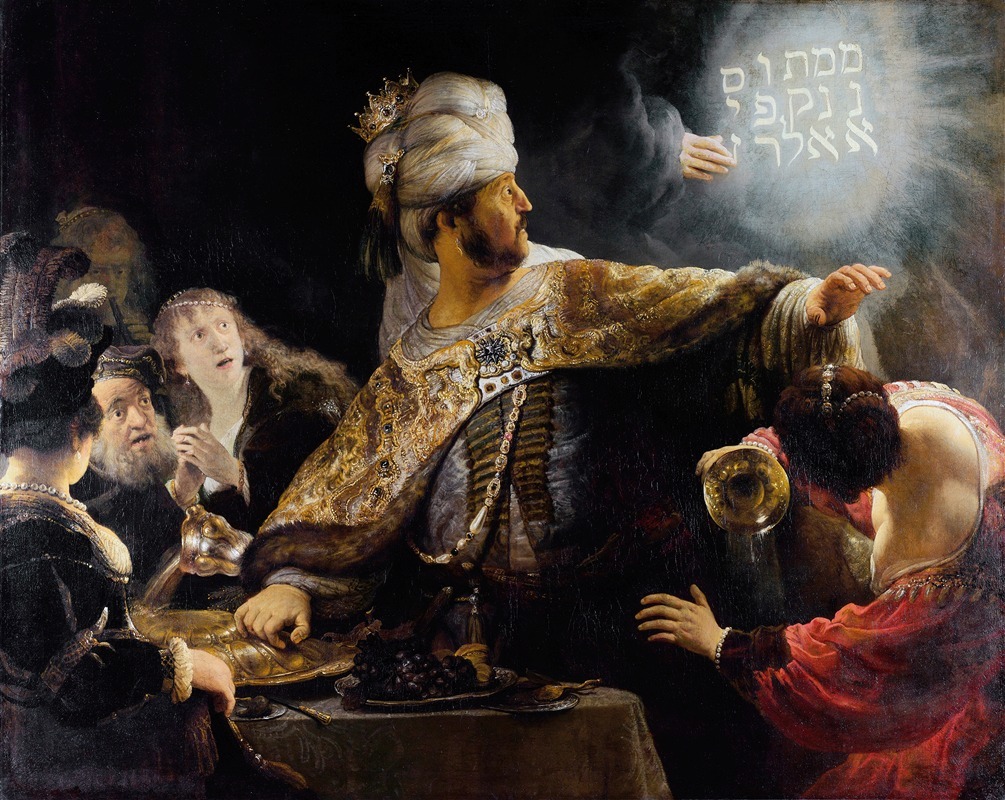
Belshazzar’s feast
Rembrandt van Rijn