
Shimada — History & Facts
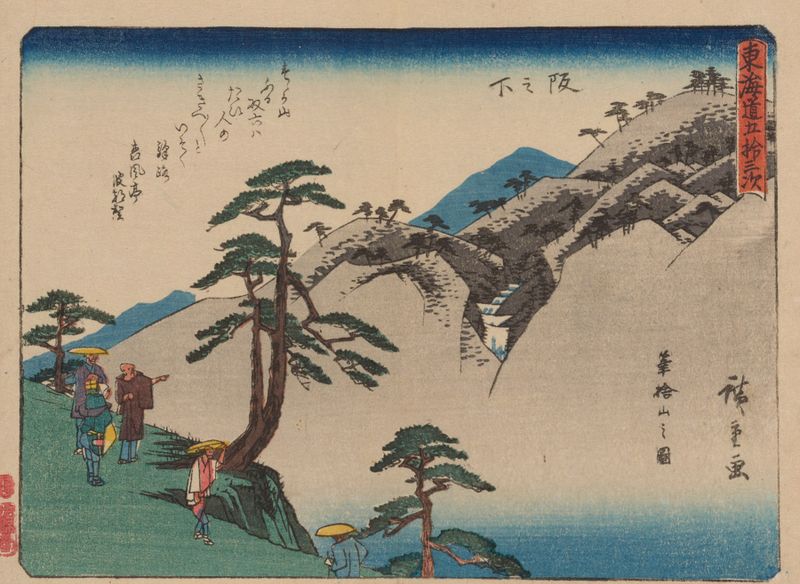
When did color learn to lie? In a world where hues whisper promises and dreams linger on the edges of reality, we find ourselves questioning the authenticity of hope. Look closely at the delicate twists of blue and green that envelop the landscape. The rolling hills and the serene waters invite the viewer's gaze across the canvas, leading us towards a distant horizon. Notice how the soft brushstrokes blend colors, creating a sense of movement, as if the wind itself is guiding the scene.
The subtle play of light upon the water’s surface hints at fleeting moments, illuminating the tranquillity yet underscoring the transience of beauty. Beneath the surface, contrasts emerge—between serenity and longing, nature and human endeavor. The muted tones of the figures engaged in their daily tasks reflect a quiet resilience, while the vivid colors of the sky evoke an otherworldly promise. These elements remind us that even amidst the ordinary, there lies an unseen power, a distant hope that bolsters the human spirit against the trials of life. Created between 1841 and 1842, this work reflects Utagawa Hiroshige’s deep immersion in the ukiyo-e tradition while exploring new techniques in color and composition.
At this time, Japan was experiencing a period of relative peace, allowing artists to focus on the beauty of nature and everyday life. Hiroshige’s innovations would greatly influence the ukiyo-e style and the world of printmaking, ushering in a new appreciation for the interplay of color and emotion.
More Artworks by Utagawa Hiroshige
Browse all →
Sudden Shower over Shin Ohashi Bridge and Atake (Ohashi Atake no yudachi), from the series "One Hundred Famous Views of Edo (Meisho Edo hyakkei)"
Utagawa Hiroshige
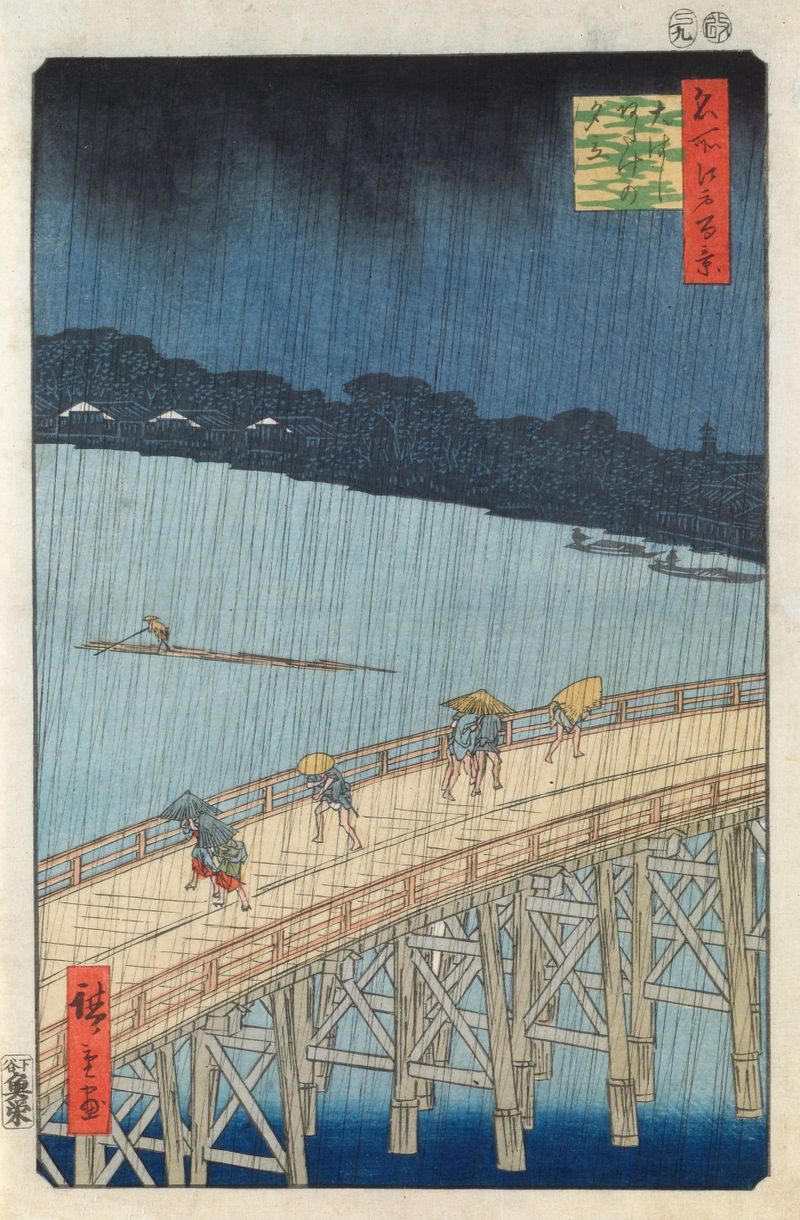
Sudden Shower Over Ohashi Bridge and Atake
Utagawa Hiroshige
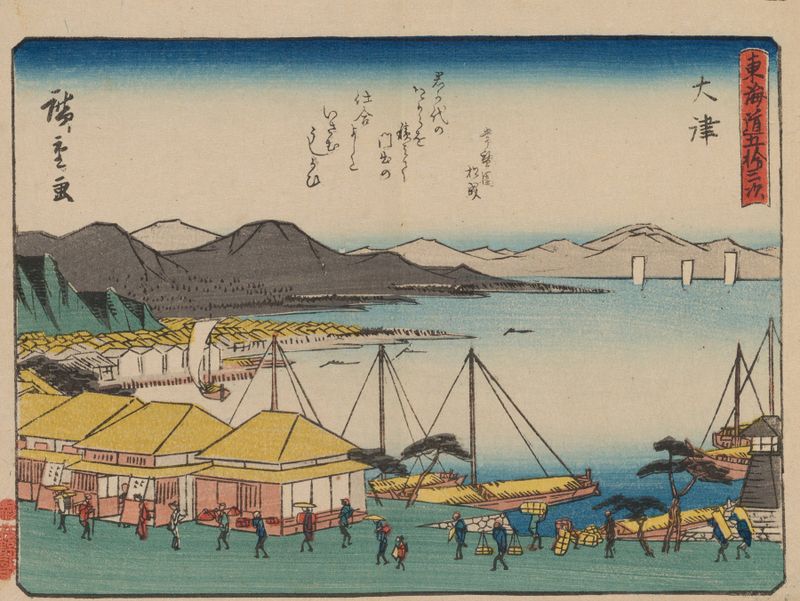
Tokaido gojusantsugi, Pl.54
Utagawa Hiroshige
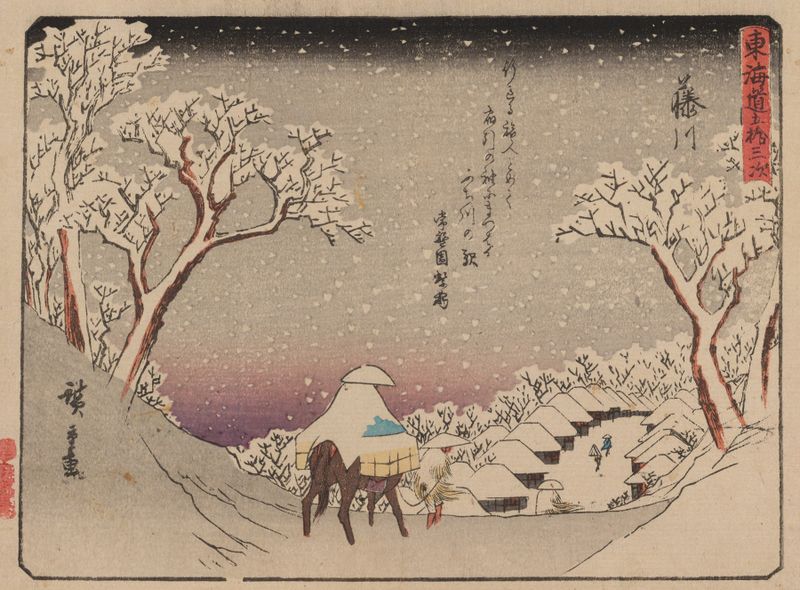
Tokaido gojusantsugi, Pl.38
Utagawa Hiroshige
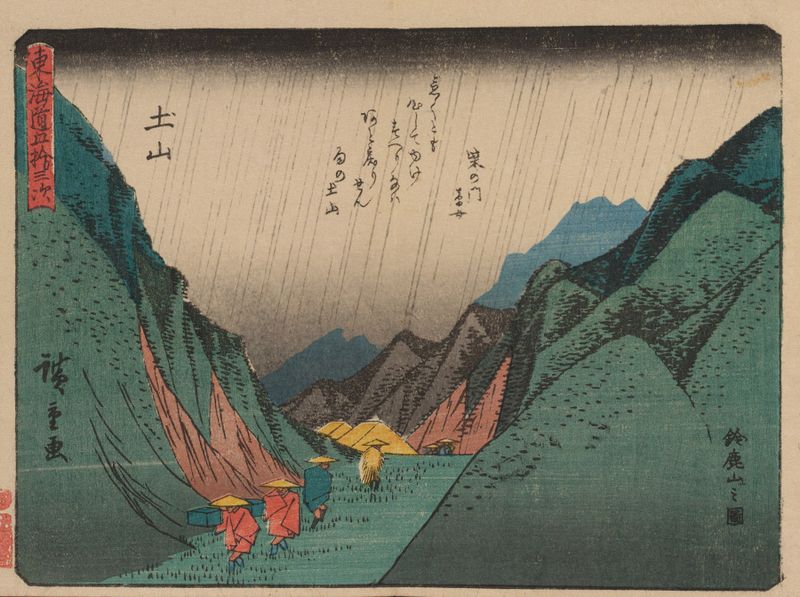
Tokaido gojusantsugi, Pl.50
Utagawa Hiroshige
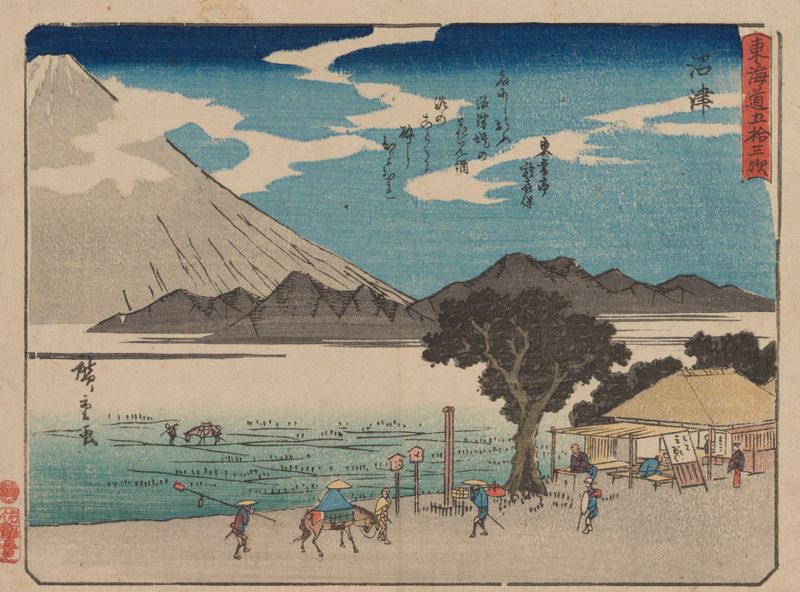
Tokaido gojusantsugi, Pl.13
Utagawa Hiroshige
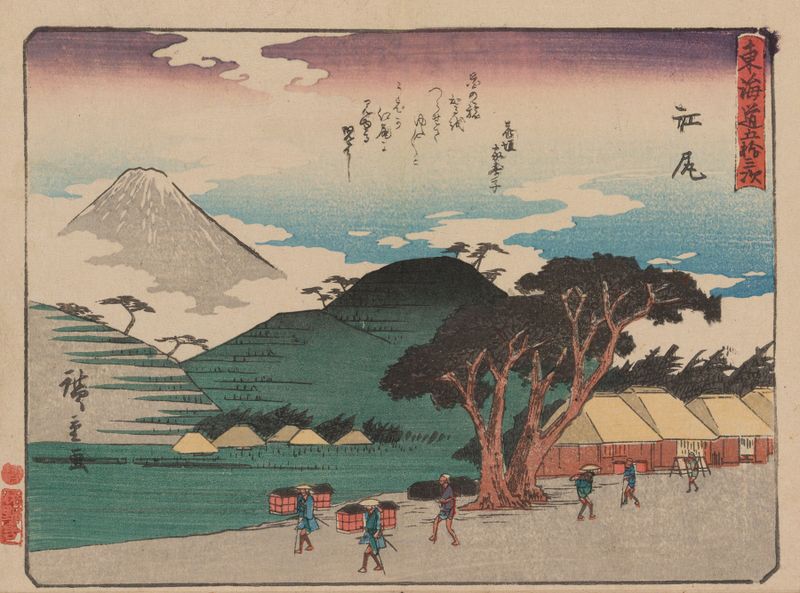
Tokaido gojusantsugi, Pl.19
Utagawa Hiroshige
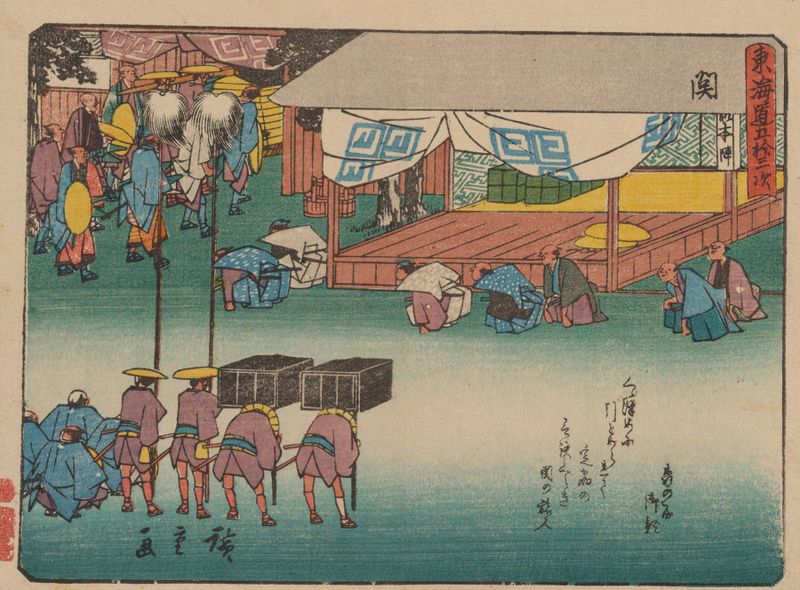
Tokaido gojusantsugi, Pl.48
Utagawa Hiroshige
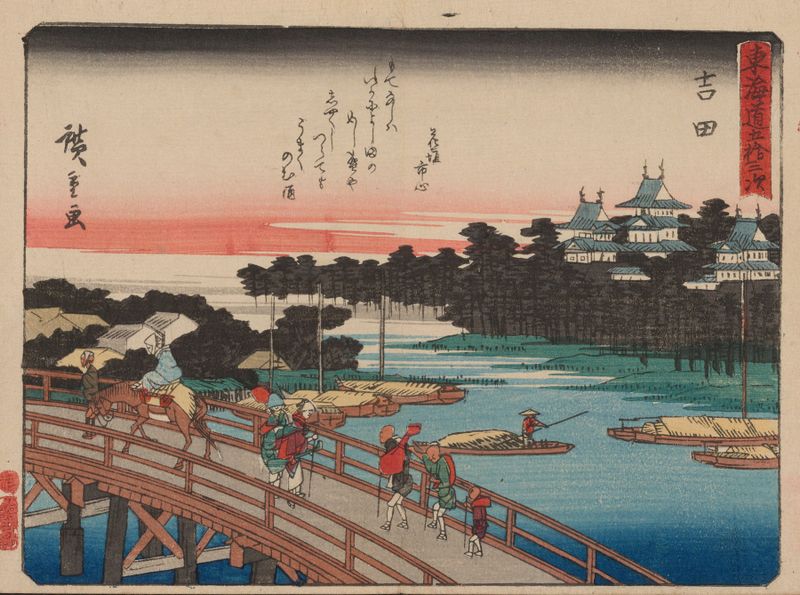
Tokaido gojusantsugi, Pl.35
Utagawa Hiroshige
Tokaido gojusantsugi, Pl.49
Utagawa Hiroshige





