Ships at Wharf with Passengers Disembarking — History & Facts
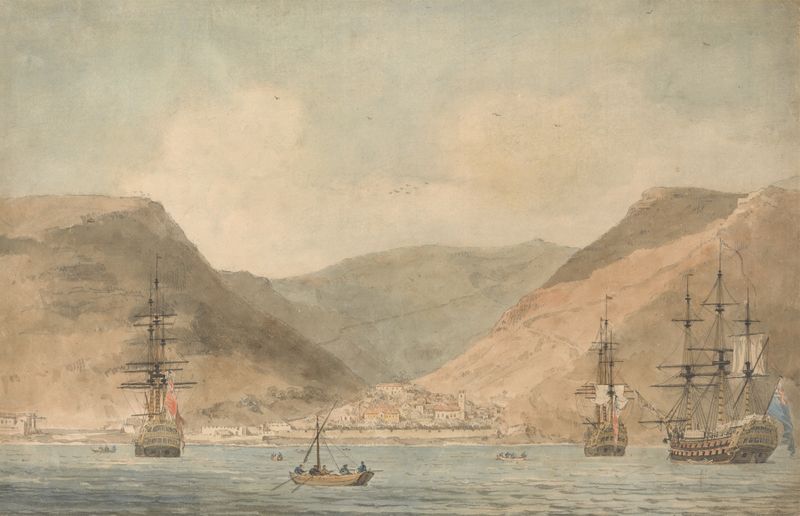
In the stillness of a moment captured, a legacy breathes quietly amidst the bustling echoes of human existence. Look to the foreground, where figures, laden with hope and weariness, converge at the edge of the wharf. Their silhouettes, both distinct and blurred, create a rhythm of movement, accentuated by the gentle sway of boats tethered nearby. The palette swells with muted earth tones, evoking a sense of nostalgia, while dappled sunlight filters through the canvas, illuminating the textures of weather-beaten wood and weathered faces.
Each brushstroke, deliberate yet spontaneous, beckons the viewer to journey alongside these passengers and ponder their unspoken stories. Beneath the surface, the painting resonates with themes of transition and identity. The tension between the calm water and the animated figures hints at the fragility of human experience; every arrival is also an departure from something left behind. The presence of the ships serves as a potent symbol of new beginnings, yet their stillness reminds us of the weight of history—a duality that speaks to the ephemeral nature of life itself.
The scene invites contemplation of the legacy we create as we navigate through the tides of our own journeys. Created in a period of artistic exploration, this piece emerged when Clennell was deeply engaged with the evolving landscape of 19th-century British art. It reflects a time of transition, both personally for the artist—who sought to solidify his own voice—and culturally, as England was rapidly embracing industrialization and maritime expansion. The artwork captures not just a moment in time but an enduring connection to the human experience, a testament to the legacy of those who came before us.