Ships by a Rocky Shore — History & Facts
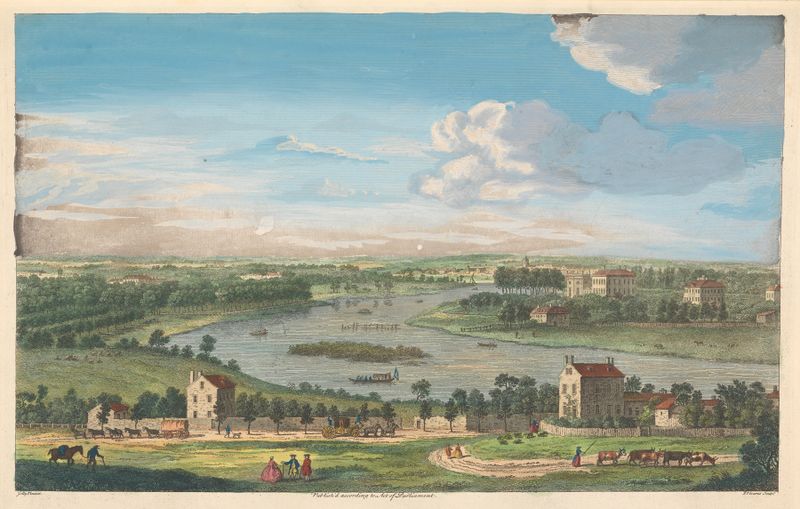
Who listens when art speaks of silence? In Ships by a Rocky Shore, the essence of a fleeting dream unfolds, capturing the stillness between the crashing waves and the distant horizon. Look to the foreground, where the jagged rocks jut defiantly from the canvas, their textures rendered with delicate precision. The ships, anchored yet restless, occupy the midground, their sails billowing softly, as if whispering secrets to the wind. Notice how the muted blues and grays of the sea contrast with the sun-dappled sky, creating an ethereal glow that bathes the scene in a soft, haunting light.
The interplay of shadow and illumination evokes a sense of tranquility, inviting the viewer to linger in this contemplative moment. Amidst the apparent calm, there lies a tension. The boats seem caught between the security of the shore and the allure of the vast, indifferent ocean. The rocky formations symbolize permanence, while the fluidity of water represents change and uncertainty — a juxtaposition ripe for introspection.
The artist invites us to ponder the dreams that simmer beneath the surface, as we witness the delicate balance between safety and adventure. Francois Vivares painted this piece during the 18th century, a period marked by a growing fascination with maritime themes in art. Living in England after emigrating from France, he found inspiration in the coastal landscapes, which resonated with a world undergoing transformation. This artwork reflects not only his technical prowess but also the broader artistic movement of his time, emphasizing the relationship between humanity and nature.