A View from Richmond Hill up the River — History & Facts
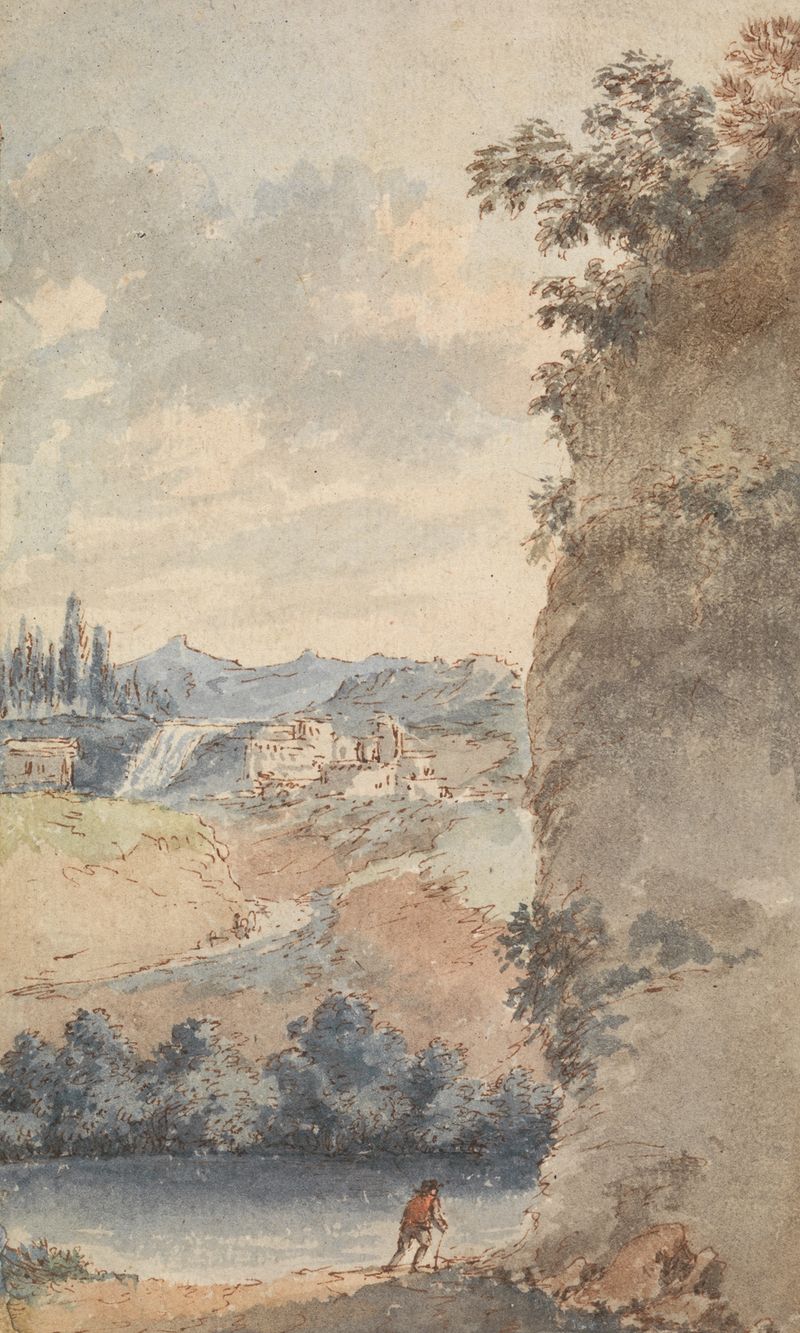
In the stillness of a dreamscape, we are invited to lose ourselves in a tranquil moment suspended between reality and imagination. The journey begins here, where the river whispers its secrets and the distant hills cradle the horizon with their gentle embrace. Look to the foreground, where the river weaves through the landscape like a shimmering ribbon of silver. Notice how the soft hues of blue and green blend seamlessly, evoking an ethereal sense of peace.
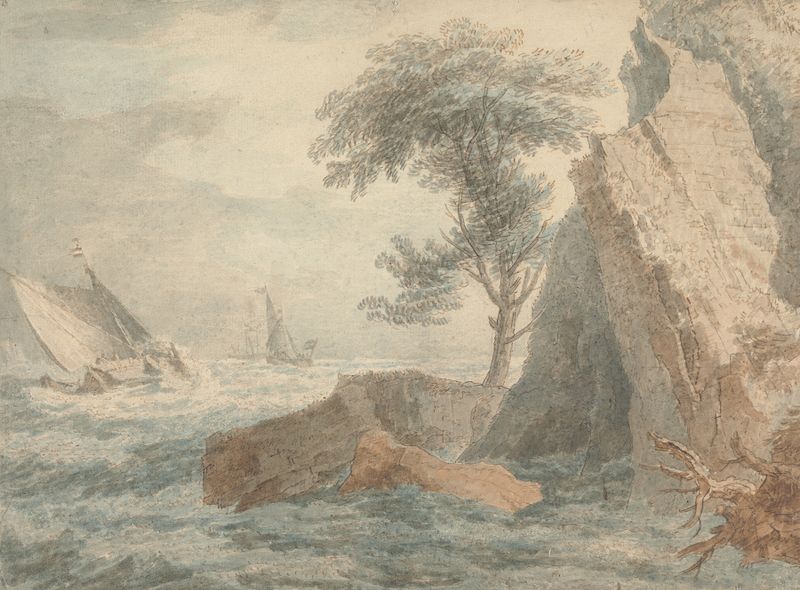
The light dances upon the water’s surface, illuminating small boats that seem to glide effortlessly, their sails capturing the tender breeze. The composition is balanced, drawing the eye toward the undulating hills that rise majestically in the background, creating a harmonious dialogue between earth and sky. As you let your gaze wander, consider the juxtaposition of the serene river life against the expansive backdrop. The calm waters reflect an idyllic world, yet hints of human presence—tiny figures enjoying the landscape—evoke a deeper connection to nature.
This tension between tranquility and the busy lives of those who inhabit the scene captures a fleeting moment, rich with emotion and layered experiences, where dreams and reality intersect. Francois Vivares created this work during a period when landscape painting was gaining prominence in the 18th century, particularly in England. The artist’s ability to render the sublime beauty of nature reflects his deep engagement with the natural world. Living in a time of artistic exploration, he utilized techniques that conveyed both detailed realism and romantic idealism, showcasing a rich, visual narrative that resonates even today.