Ships in the Thames Estuary near Sheerness — History & Facts
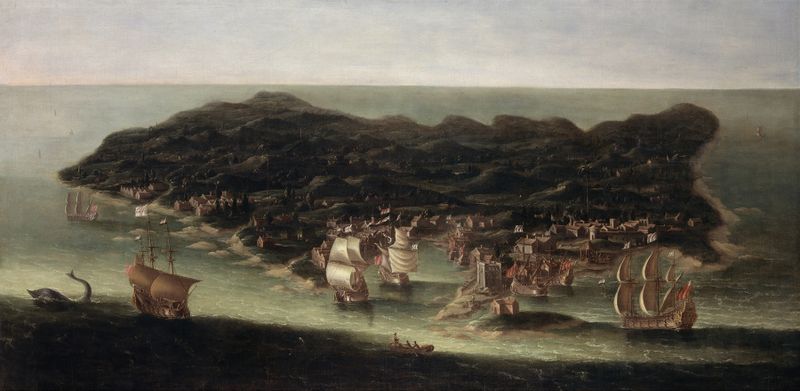
When did color learn to lie? The hues that fill the canvas may betray the bittersweet memories etched in the depths of time. Focus first on the imposing silhouettes of the ships, their hulls cutting through the expansive and reflective waters of the Thames Estuary. The calm blues juxtapose with the warm earth tones of the shore, guiding the eye across the composition. Notice how the gentle ripples of the water distort the colors, creating a dance of light and shadow that encapsulates the essence of movement and stillness.
Sailmaker’s deft brushwork invites viewers to sense the soft breeze and distant calls of seagulls, drawing us into this tranquil maritime moment. The painting resonates with deeper narratives hidden within its tranquil facade. The ships, laden with dreams or perhaps burdens, symbolize the passage of time and the human yearning for connection. The contrasting colors also evoke the fleeting nature of memory—how the mind can embellish or cloud experiences, much like the shifting light on the water.
These elements together suggest both a celebration of maritime strength and a reflection on the loneliness that can accompany such endeavors. Isaac Sailmaker created this work during a period when seafaring was a vital part of British life, likely in the 17th or 18th century. His background as a marine painter placed him at the heart of a rapidly evolving world, where commerce and exploration were expanding horizons. In this context, the artwork stands not just as a visual representation of ships but as a testament to an era defined by adventure, industry, and the memories that linger long after the ships have set sail.