
Shipwreck Victims On Icefloe — History & Facts
In the stillness of icy desolation, the haunting echoes of survival linger. What happens when hope freezes? This artwork captures the transformative edge of despair, posing profound questions about human resilience against nature’s indifference. Look to the center of the canvas, where a cluster of shipwrecked figures huddles on the stark white ice, their worn expressions betraying a mix of fear and determination. Notice the stark contrast between the dark, textured clothing of the survivors and the ethereal, cold landscape that surrounds them.
The muted color palette evokes a chilling atmosphere, emphasizing the starkness of their plight. Each brushstroke highlights the fragility of life as it intertwines with the unforgiving environment, inviting the viewer to experience their harrowing reality. Amidst this frozen tableau, each figure embodies a story of transformation; they are not merely victims but representations of the human spirit. The juxtaposition of their dark forms against the bright ice suggests a struggle between life and death, survival and surrender.
Look closely, and you’ll see the subtle details—the anguished expressions, the strained postures—that reveal a deeper emotional tension, reflecting the collective trauma of those cast adrift in a merciless world. François–Auguste Biard painted this scene between 1876 and 1877 during a period when the Romantic movement was waning, giving way to Realism. Biard was influenced by the explorations of the Arctic, capturing the intersection of adventure and tragedy in his work. Living in France at a time of industrial change, he was keenly aware of humanity's vulnerabilities, which resonated profoundly in this evocative portrayal of survival against the relentless cold.
More Historical Art
Browse all →
The Night Watch Militia Company of District II under the Command of Captain Frans Banninck Cocq
Rembrandt van Rijn
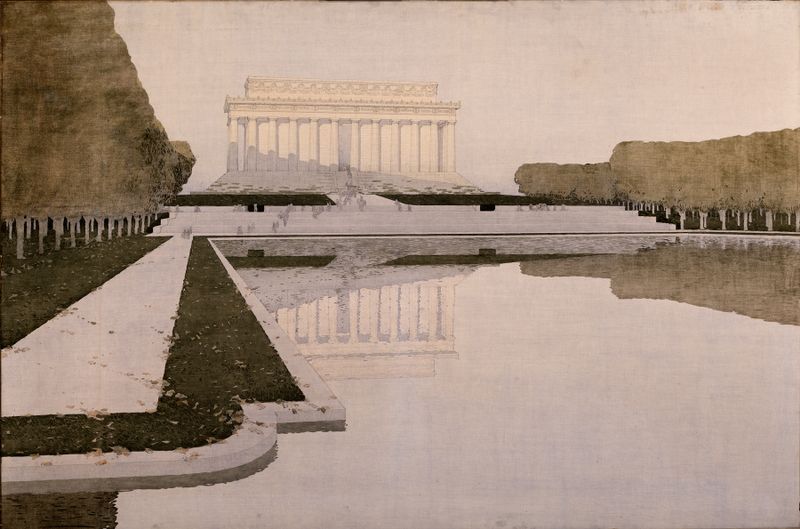
Lincoln Memorial
Henry Bacon
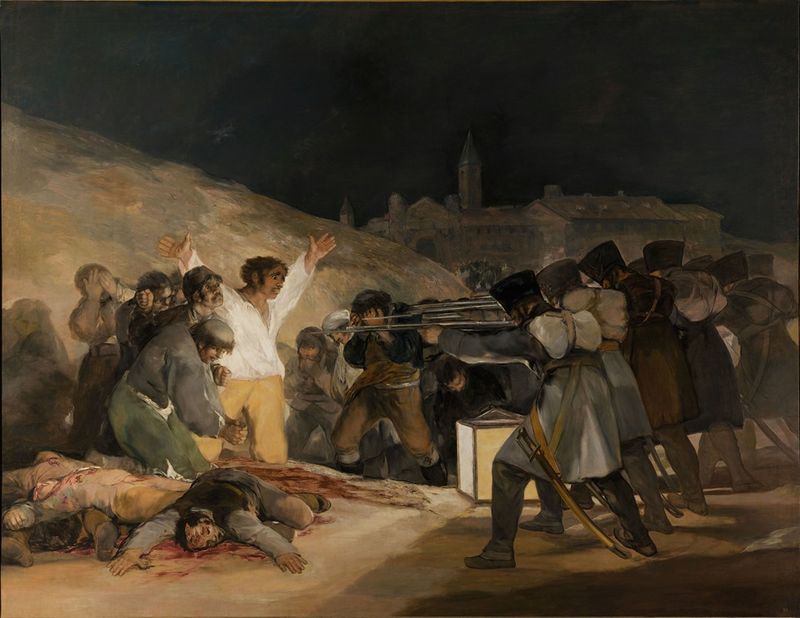
The Third of May 1808
Francisco de Goya

Isaac and Rebecca, Known as ‘The Jewish Bride’
Rembrandt van Rijn
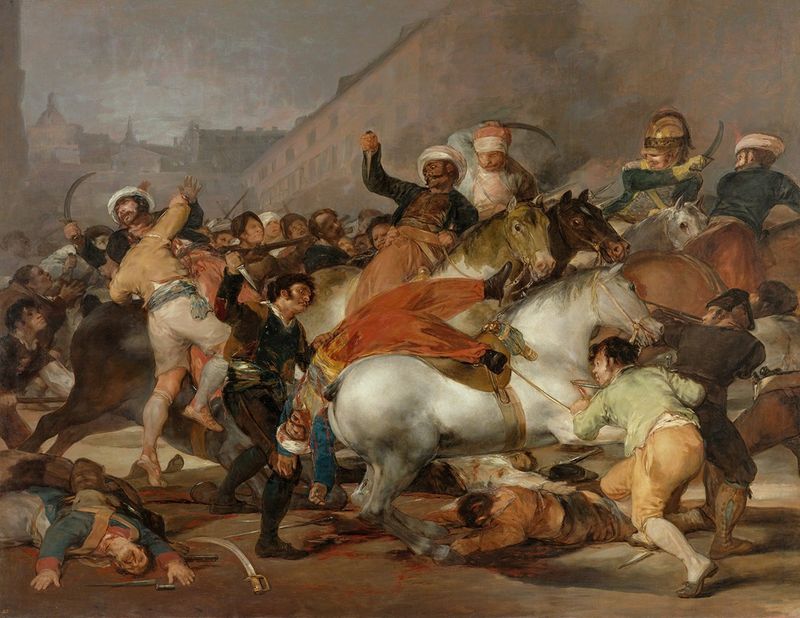
The Charge of the Mamelukes (1814)
Francisco de Goya

De vier ruiters van de apocalyps
Albrecht Dürer