
Signora sulla neve con cagnolino — History & Facts
When did color learn to lie? That question echoes in the silent void of Signora sulla neve con cagnolino, where the stark white expanse of snow envelops a woman and her small dog in an embrace of solitude. The vibrant hues that surround them seem to shout, yet the scene whispers of a deeper emptiness. Focus on the figure of the woman, draped in a deep crimson cloak that starkly contrasts the pristine white snow, drawing your eye with its unexpected warmth. Look closely at the intricate detailing of her attire, the delicate brushstrokes capturing the fabric's texture and the way it billows slightly in the winter breeze.
Notice the expressive gaze of her dog, its dark form a shadow against the brightness, creating a poignant relationship between companionship and isolation, a tension that subtly permeates the canvas. The interplay of color here speaks volumes of emotional tension—while the warmth of her cloak suggests a yearning for connection, the vastness of the snowy landscape hints at a profound solitude. This juxtaposition evokes feelings of longing, as the viewer senses the woman's stillness in contrast to the playful movement of her dog. The painting captures a moment frozen in time, eliciting a complex response to the juxtaposition of joy and melancholy. In 1875, De Nittis created this work during his time in Paris, where he was deeply influenced by the Impressionist movement.
At this point, the artist was navigating a burgeoning career, seeking to define his unique voice amidst the vibrant art scene of the 19th century. Surrounded by the innovations of color and light, he infused his work with a sense of modernity while simultaneously reflecting on themes of loneliness and human experience, making this painting a significant milestone in his artistic journey.
More Artworks by Giuseppe De Nittis
Browse all →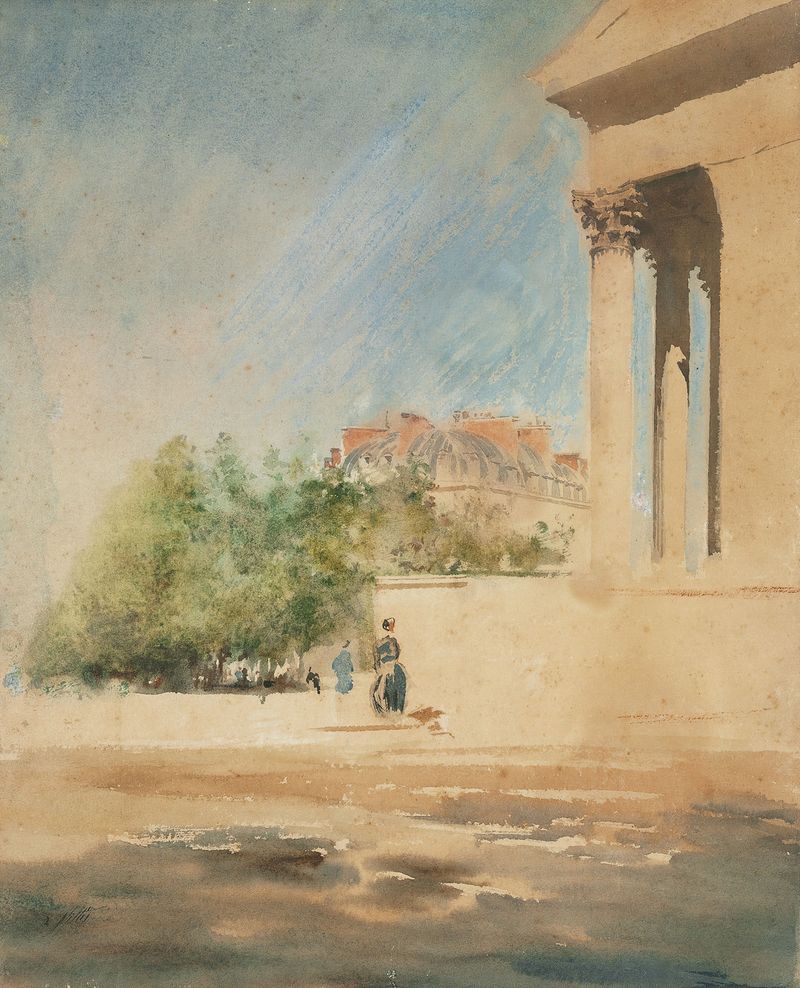
Place de la Madeleine
Giuseppe De Nittis
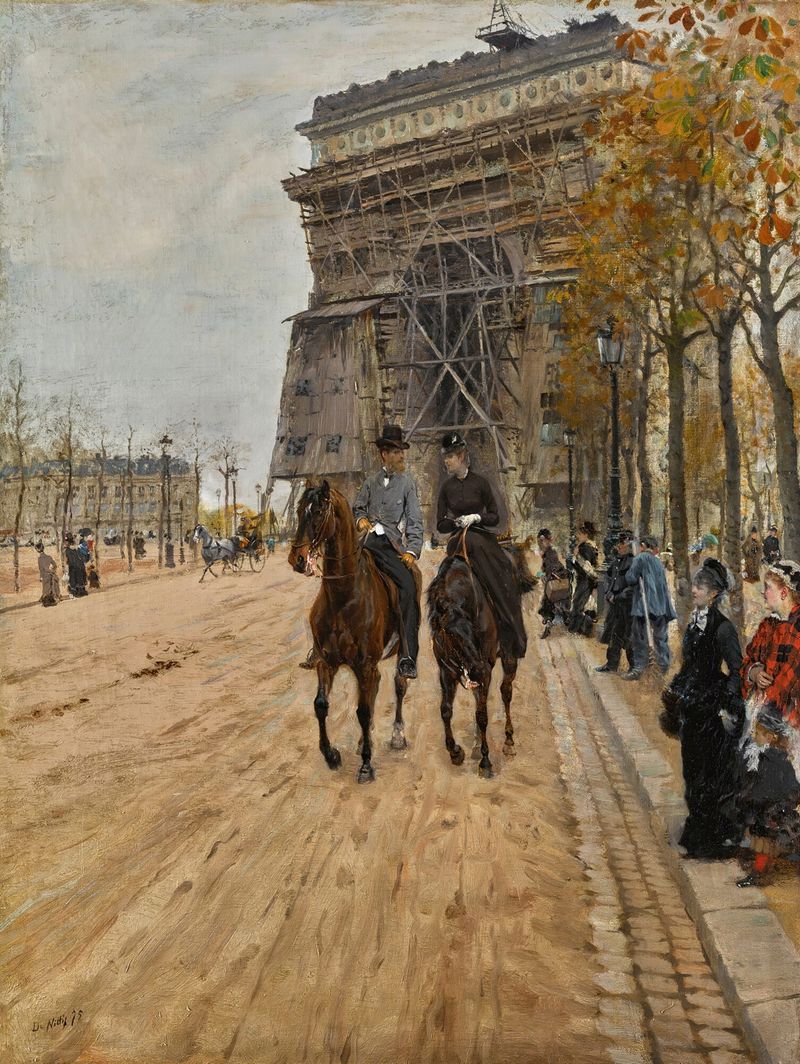
L’arc de Triomphe, Paris
Giuseppe De Nittis
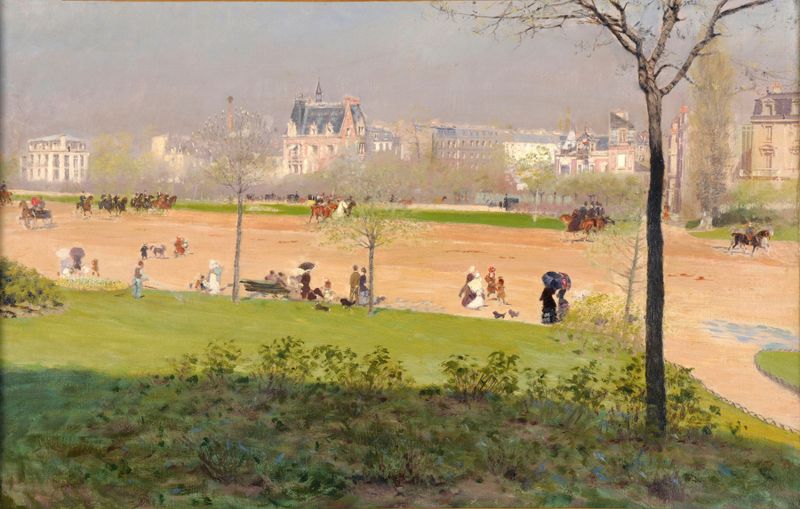
Avenue du Bois de Boulogne
Giuseppe De Nittis
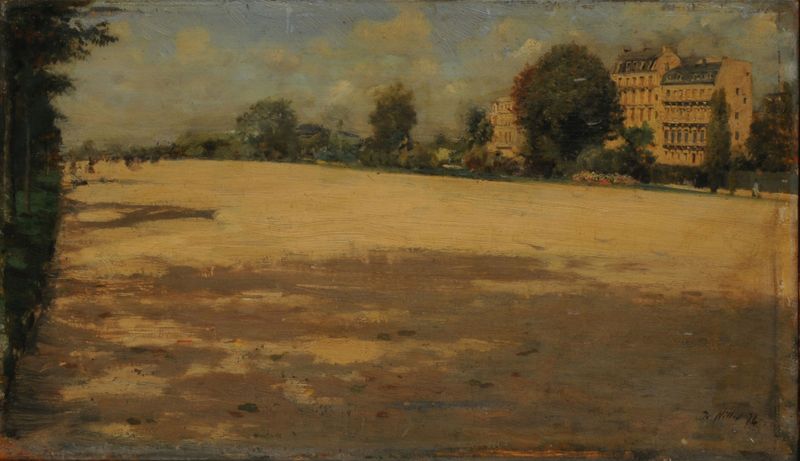
Paisaje (Avenue du Bois de Boulogne)
Giuseppe De Nittis
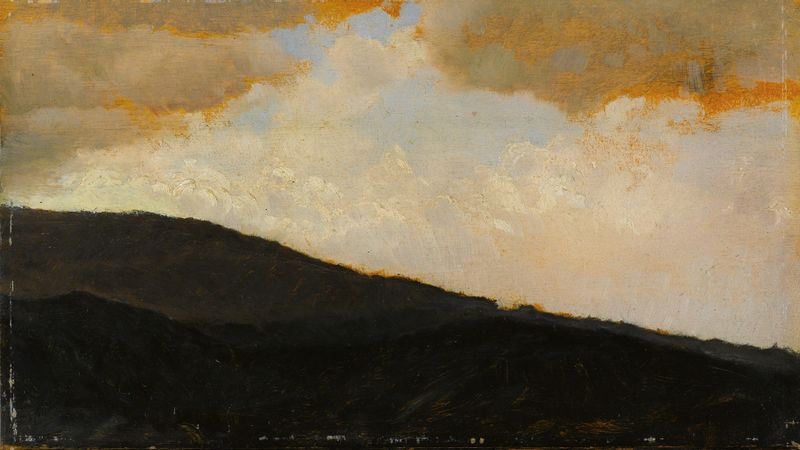
Veduta Del Vesuvio
Giuseppe De Nittis

Seelandschaft in der Umgebung von Neapel
Giuseppe De Nittis

Der Teich im Bois de Boulogne
Giuseppe De Nittis
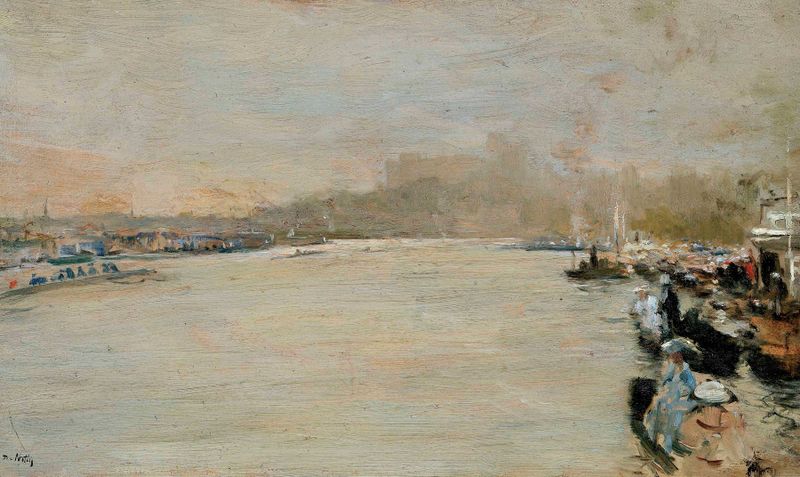
Le Regate sulla Senna
Giuseppe De Nittis
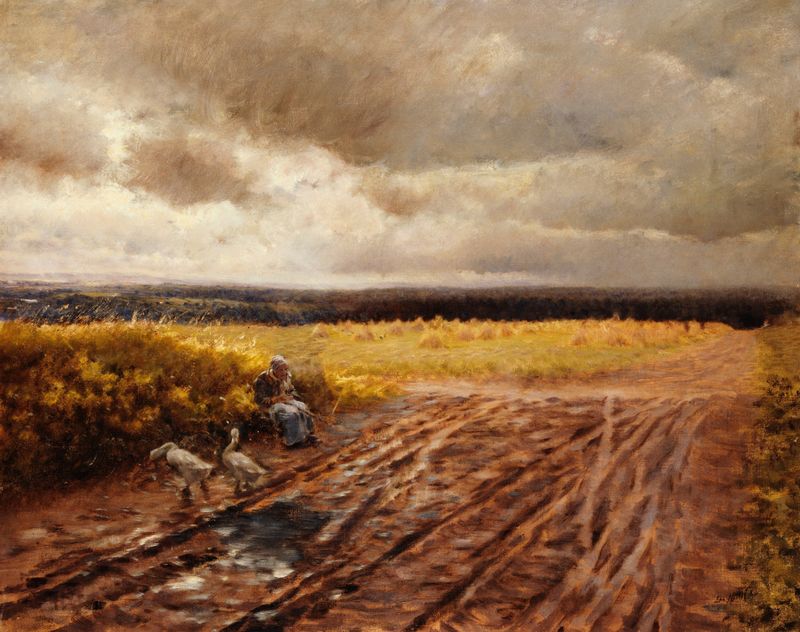
La gardeuse d’oies
Giuseppe De Nittis

Der Teich im Bois de Boulogne
Giuseppe De Nittis
More Portrait Art
Browse all →
Las meninas
Diego Velázquez

Self-portrait with a Bandaged Ear and Pipe
Unidentified artist

Girl with a Pearl Earring
Johannes Vermeer

The Sampling Officials of the Amsterdam Drapers’ Guild, Known as ‘The Syndics’
Rembrandt van Rijn

The Hundred Guilder Print: the man seen on the back in the lower left corner
Rembrandt van Rijn

Portrait of Dr Gachet
Vincent van Gogh