
Sir William Norris Bungalow, Penang — History & Facts
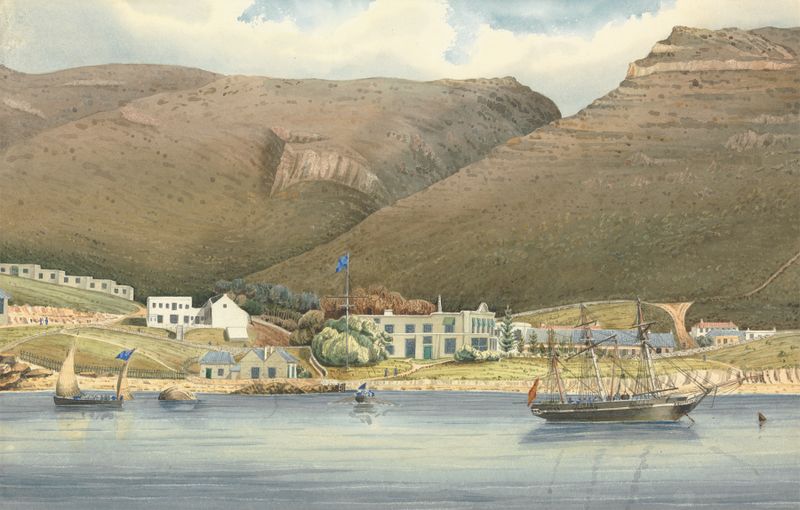
What secret hides in the quiet of the canvas? The stillness of Sir William Norris Bungalow, Penang invites viewers to sense the stories woven into its serene architecture. Focus on the gentle arch of the bungalow’s roof, where soft sunlight caresses the terracotta tiles, creating a warm glow that speaks of tropical afternoons. Notice the intricate details of the ironwork on the balcony, which contrast against the lush greenery that frames the structure. The artist employs a palette of earthy tones, allowing the scene to breathe, as if the very air around the bungalow holds whispers of the past. The composition reveals a harmonious interplay between nature and man-made beauty, suggesting a dialogue of peace and permanence.
The vibrant foliage encroaching upon the edges hints at the inevitable reclamation of land by the wild, embodying a tension between human aspiration and the relentless force of nature. Meanwhile, the stillness of the bungalow stands as a testament to colonial presence, yet it is accompanied by a subtle yearning for movement, a reminder that all things must change. Lt. Humphrey John Julian painted this work in 1844 while living in Penang, during a time when British colonial interests were expanding in Southeast Asia.
His paintings often captured the delicate balance between the exotic landscape and the architecture of colonial rule. This period was marked by a growing fascination with the East, as artists sought to document the beauty and complexity of their new surroundings in an era of exploration and expansion.
More Artworks by Lt. Humphrey John Julian
Browse all →
More Architecture Art
Browse all →
The statue of Liberty
Frédéric Auguste Bartholdi

View of Houses in Delft, Known as ‘The Little Street’
Johannes Vermeer

View of Houses in Delft, Known as ‘The Little Street’
Johannes Vermeer

The Cathedral in Rouen. The portal, Grey Weather
Claude Monet

The yellow house
Vincent van Gogh

The Church in Auvers-sur-Oise, View from the Chevet
Vincent van Gogh