Sky and sea — History & Facts
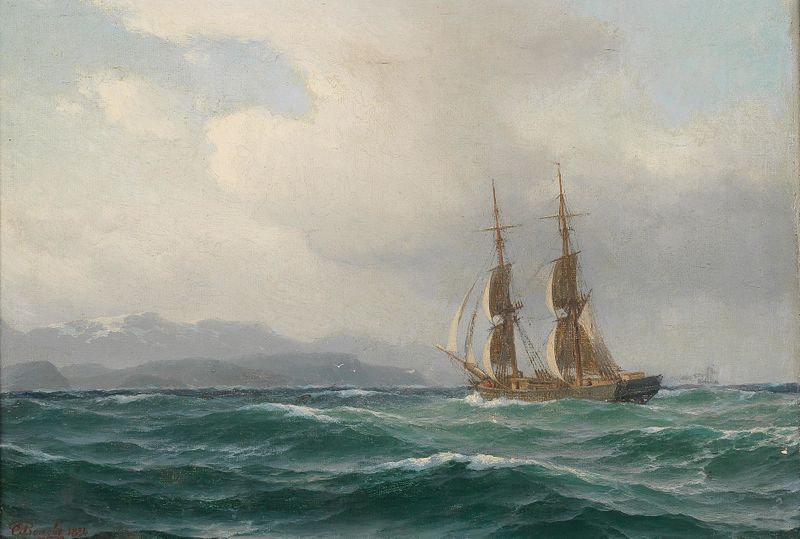
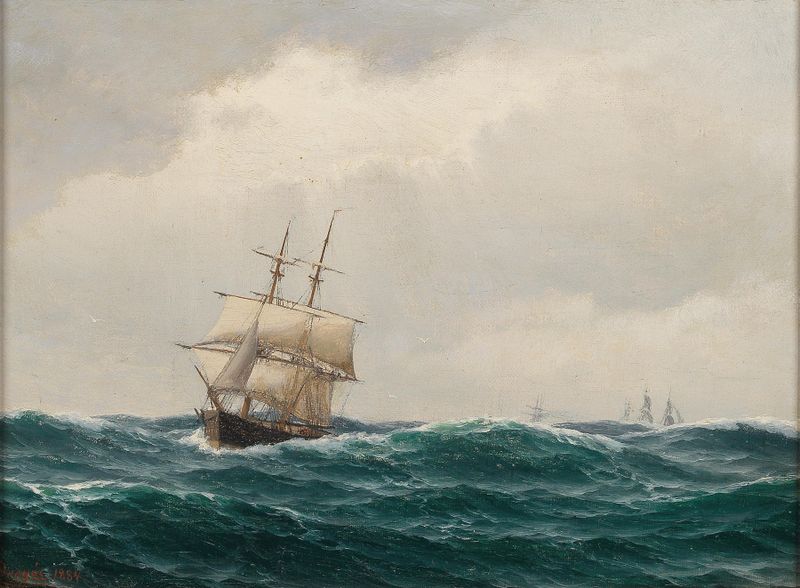
In a delicate dance between light and shadow, Sky and Sea invites us to peer into the depths of nature's emotional spectrum, capturing moments often overlooked. Look to the vast expanse of azure that dominates the canvas, stretching from the horizon to the upper frame. The painter’s brushwork creates a gentle gradient, merging shadows and light seamlessly. Focus on the stark contrast at the water’s edge, where the sea retreats, leaving an ephemeral shimmer that dances playfully with the sun’s rays.
The interplay of colors—a rich cobalt mingling with soft pastels—defines not just the landscape but the very mood of the piece. Beneath this tranquil surface, the painting reveals a deeper tension between freedom and confinement. The expansive sky, while inviting, creates a sense of distance that might evoke feelings of solitude. The shadows cast upon the water hint at unseen depths, suggesting emotions that linger just below the surface, waiting to be explored.
This duality of openness and mystery evokes a sense of longing, urging viewers to confront their own reflections. In 1854, Baagøe painted this work during a period of burgeoning Romanticism in art, where emotion and nature intertwined deeply with human experience. Living in Denmark, he was influenced by a cultural shift towards nature's power and beauty, while grappling with his own place in a changing world. This piece stands as a testament to that moment, encapsulating both the serenity and the shadowy complexities of existence.