
Skystudie — History & Facts
Where does light end, and longing begin? In Skystudie, the horizon stretches infinitely, inviting contemplation of the celestial dance, as if the very essence of creation is captured in a fleeting moment. Look to the upper portion of the canvas, where sweeping clouds blend effortlessly into soft hues of blue and pale gold. The artist's delicate brushwork conveys the ephemeral nature of the sky, with wisps that seem to float beyond the edges of reality. Notice how the light radiates from the horizon, illuminating the clouds and casting a serene glow that envelops the entire scene.
This interplay of light and shadow draws the eye toward the source of illumination, creating a visual journey that encourages the viewer to ponder the vastness above. Within this tranquil expanse, hidden tensions emerge. The tension between the earthbound and the ethereal, the solid and the transient, invites introspection. The clouds, while light and airy, seem to bear the weight of unexpressed emotions, mirroring the complexities of human experience.
This duality transforms the canvas into a metaphor for aspiration—a reminder of feelings that reach beyond the tangible, yearning to touch the sublime. Martinus Rørbye created Skystudie in 1832 during a pivotal moment in the burgeoning Romantic movement in Denmark. At this time, artists were increasingly exploring themes of nature, emotion, and the sublime, diverging from the rigid structures of Neoclassicism. As Rørbye captured the sky, he was also responding to a world on the cusp of change, where the interplay of light and nature would continue to shape artistic expression.
More Artworks by Martinus Rørbye
Browse all →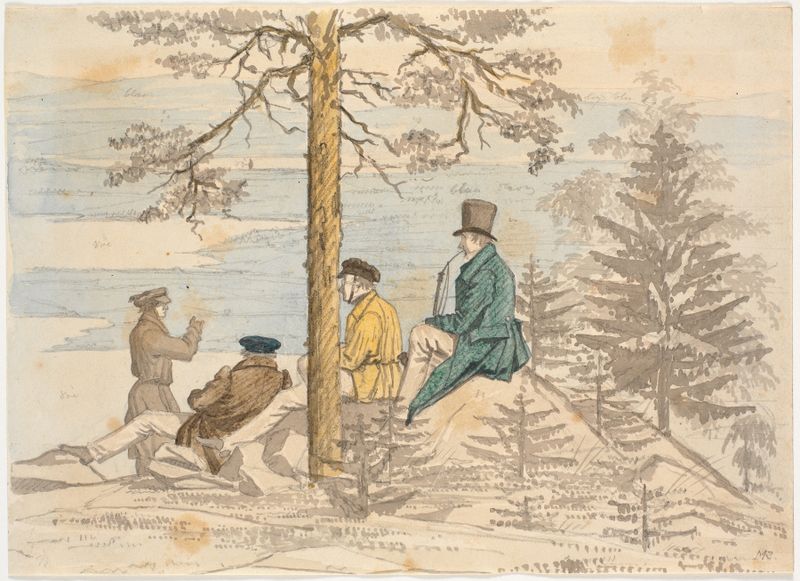
Fire mænd betragter udsigten fra Holmekollen
Martinus Rørbye
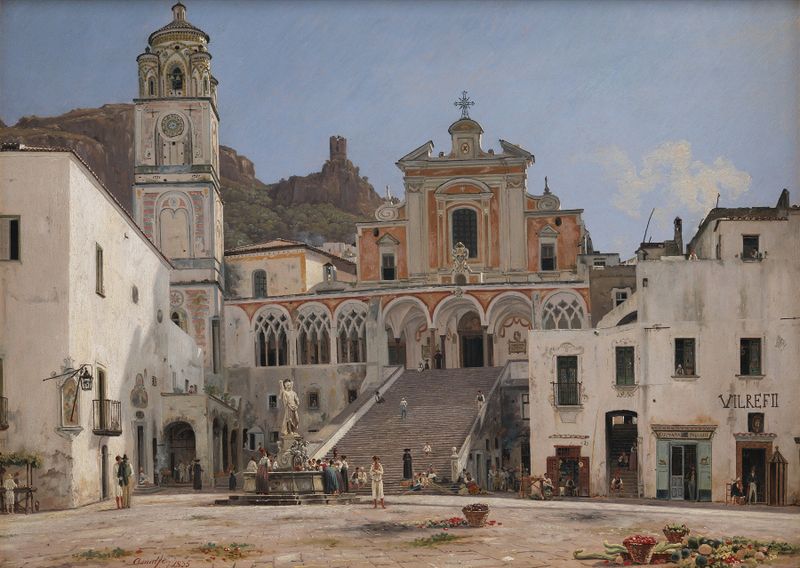
View of the Square in Amalfi
Martinus Rørbye
A Courtyard in Rome. Copy after Eckersberg
Martinus Rørbye
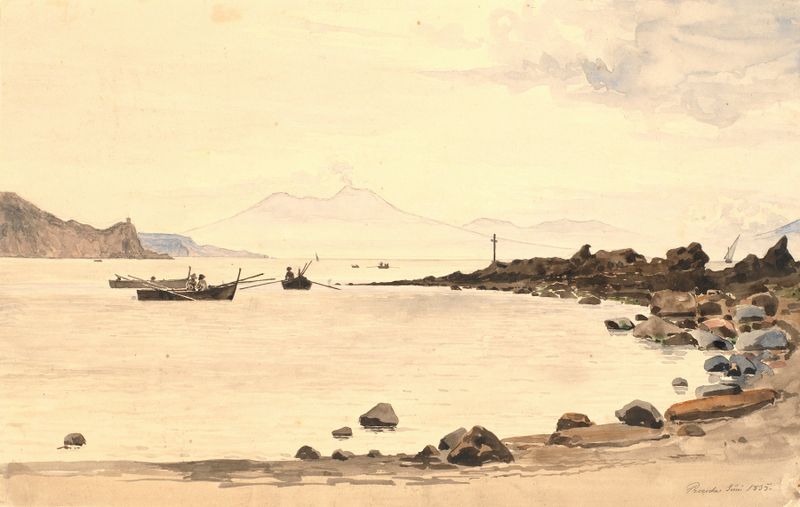
Udsigt mod Vesuv fra Procida
Martinus Rørbye
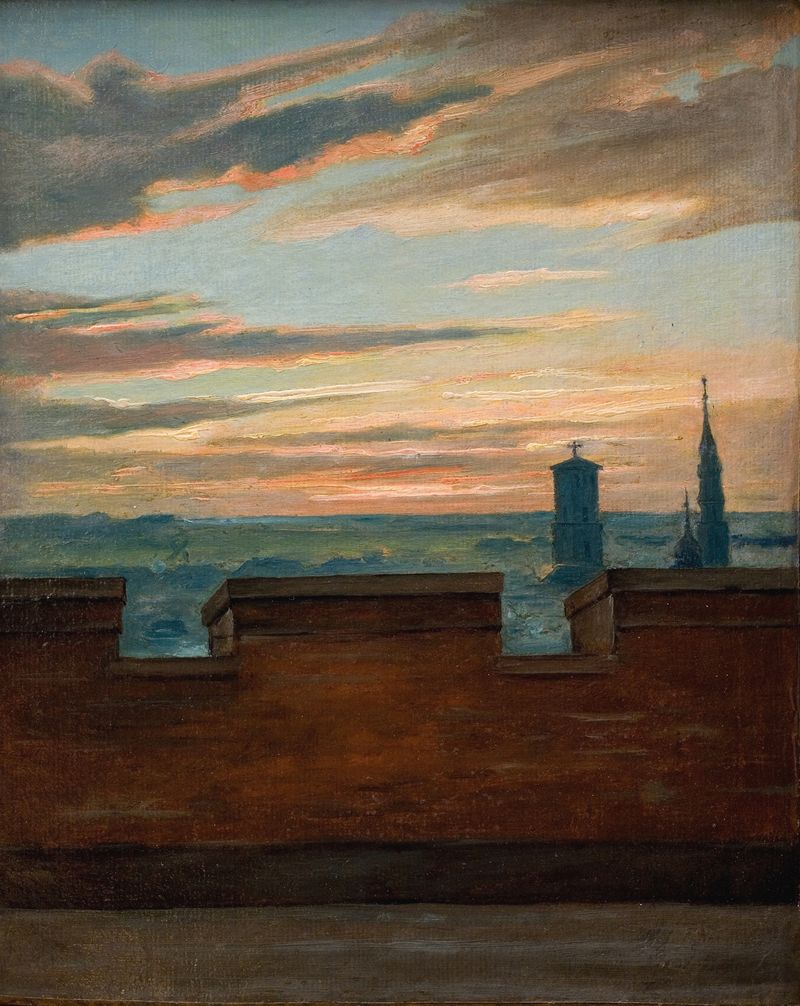
View of Copenhagen at Sunset
Martinus Rørbye
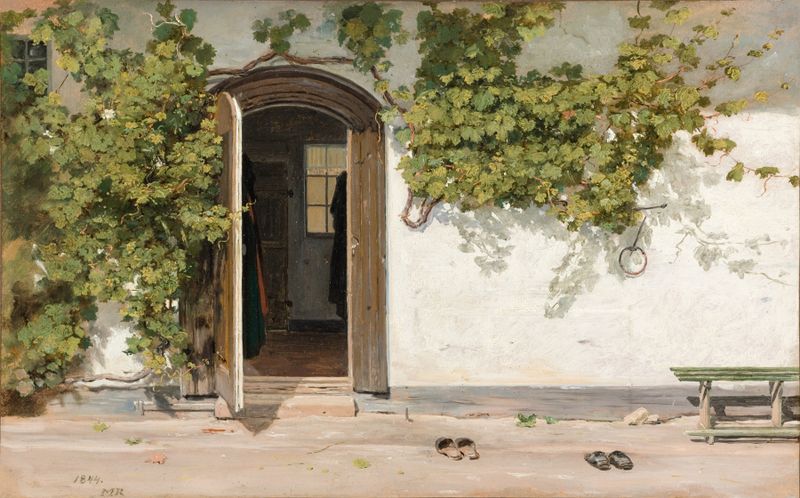
Entrance to an Inn in the Praestegarden at Hillested
Martinus Rørbye
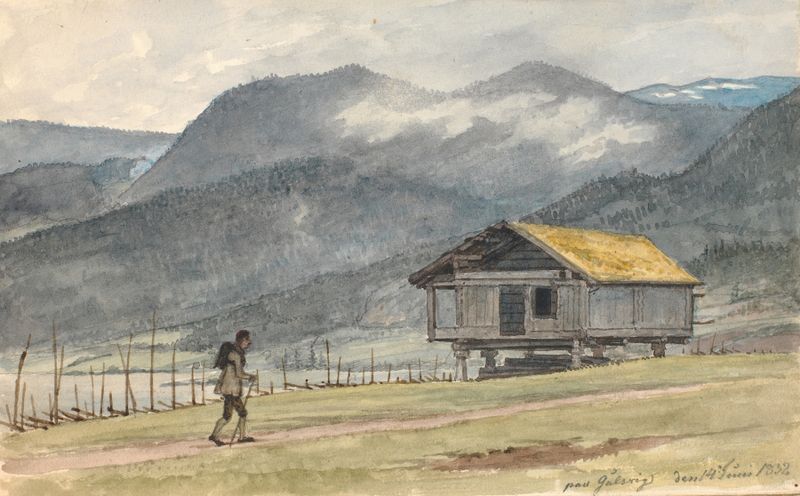
Fjeldlandskab med hytte og vandrer
Martinus Rørbye
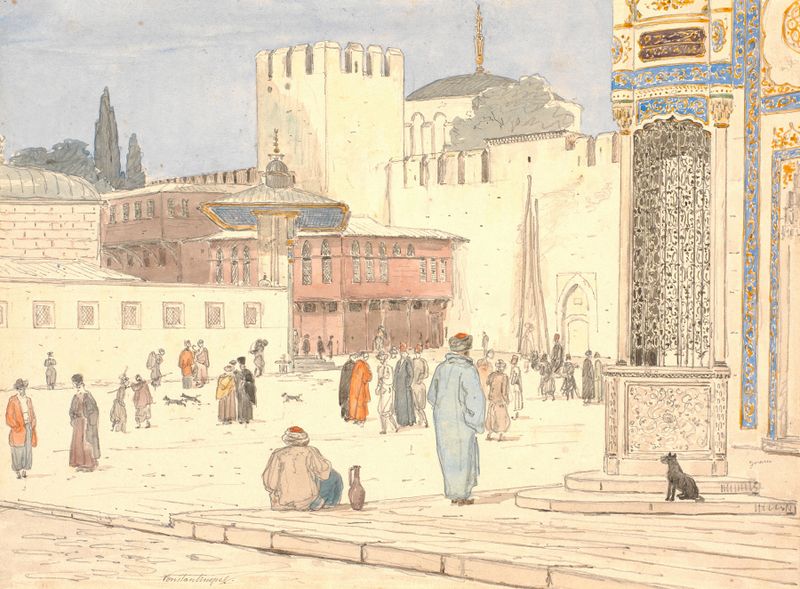
The Square in Front of Bab-i-Hümayan in Constantinople
Martinus Rørbye
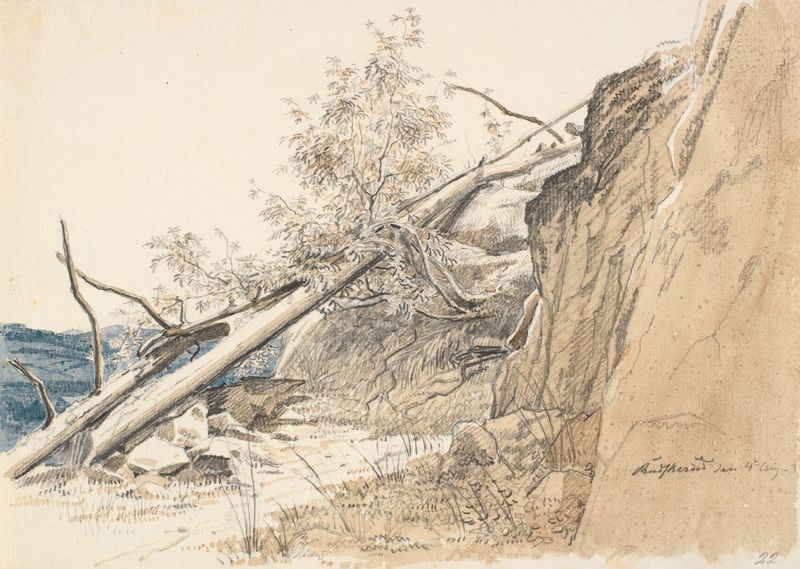
Tree Trunk Leaning Against a Rock. Norway
Martinus Rørbye
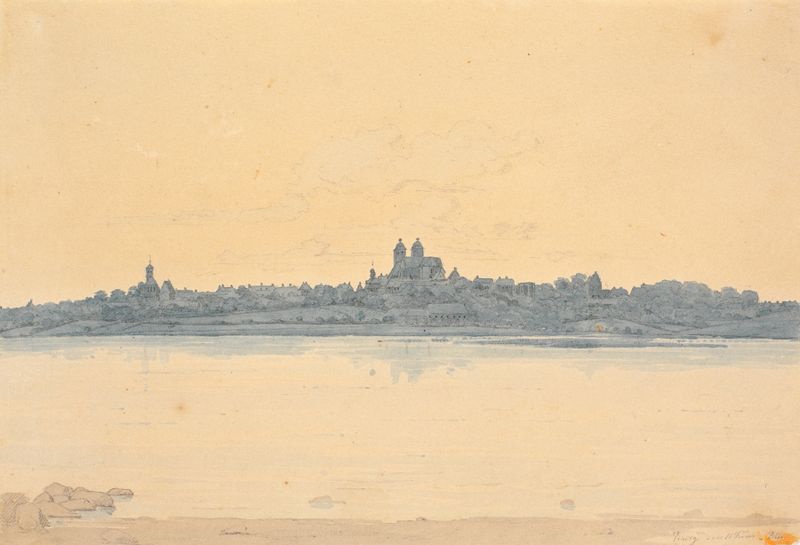
Viborg Seen from Asmild Klosterhave near Søndersø
Martinus Rørbye





