
Slapende naakte vrouw als de Nacht (Nux) — History & Facts
In a world caught between tradition and transformation, the act of painting defies the constraints of time, inviting viewers to witness a revolution of form and thought. Focus first on the languid figure reclined against the dark backdrop, her skin a soft contrast to the rich hues that envelop her. Notice how the delicate contours of her body curve gently, the artist’s meticulous attention to light illuminating the gentle rise of her shoulder and the soft dip of her waist. The chiaroscuro technique creates an intimate ambiance, drawing our gaze deeper into the serene yet potent presence of the sleeping nude, as if she transcends the confines of mere mortality. Yet, beyond the serene exterior lies an undercurrent of tension.
The figure's vulnerability juxtaposes the strength of her natural form, symbolizing both the fragility and resilience of femininity in a period of societal upheaval. The darkness surrounding her may evoke a sense of isolation, yet it also speaks to the revolutionary spirit of the era—a challenge to the conventions of art and the role of women. This painting becomes more than just a depiction; it morphs into a manifesto that questions the status quo with each delicate stroke. In 1548, Hans Sebald Beham, an artist influenced by the shifts of the Northern Renaissance, crafted this piece amidst a Europe grappling with the tension between religious reform and artistic freedom.
Living in Nuremberg, Beham emerged as a pivotal figure in a time of innovation, turning away from the strictures of traditional representations to embrace a more personal and expressive style. This painting reflects not only his mastery but also the broader cultural revolution that redefined the artistic landscape of his time.
More Artworks by Hans Sebald Beham
Browse all →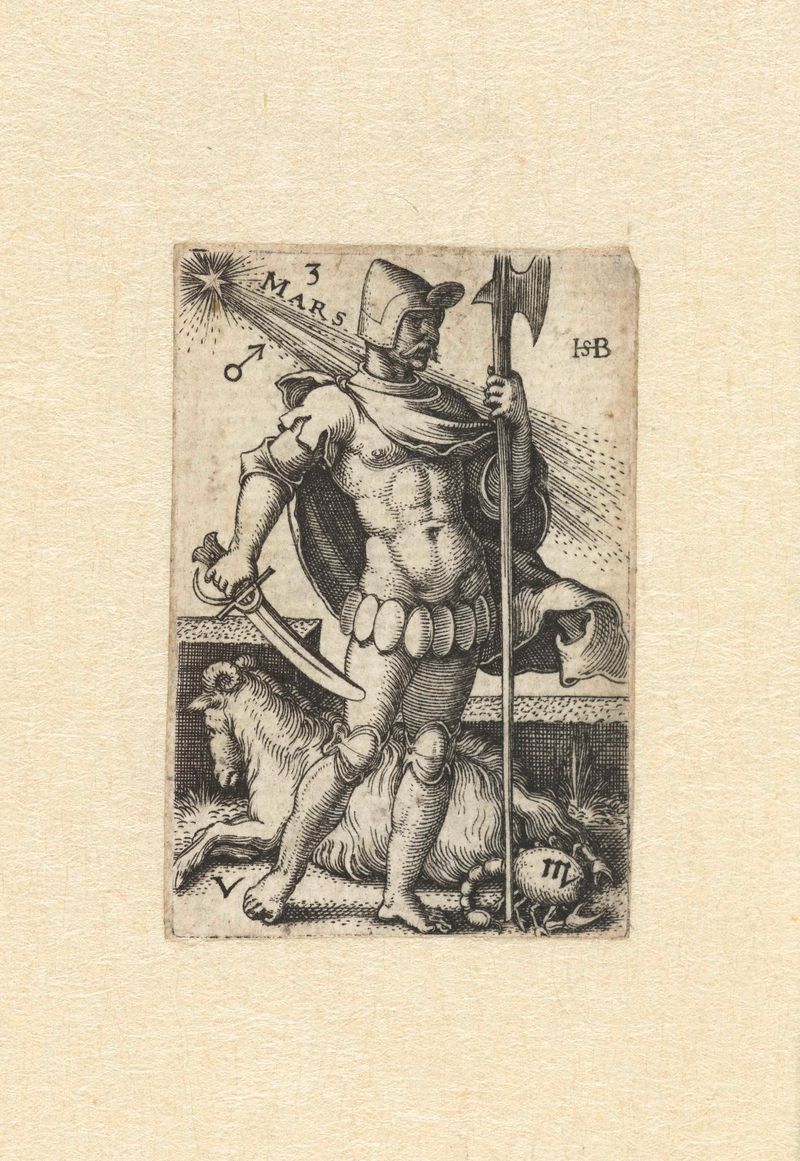
Mars met sterrenbeelden Ram en Schorpioen
Hans Sebald Beham

Achilles in gevecht met Hector
Hans Sebald Beham
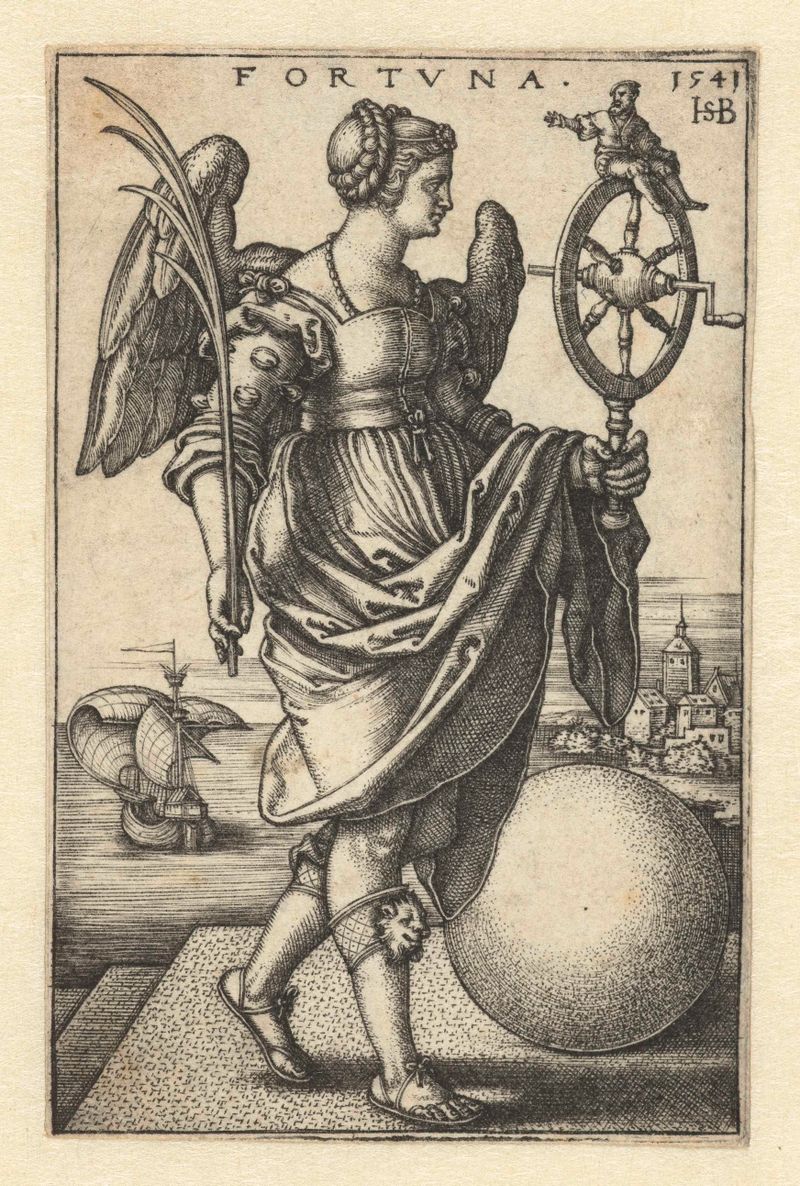
Fortuna
Hans Sebald Beham

Hercules worstelt met Antaeus
Hans Sebald Beham

Twee muzikanten met schalmey en doedelzak
Hans Sebald Beham

Voorzichtigheid (Prudentia)
Hans Sebald Beham

Hercules in gevecht met de Trojanen
Hans Sebald Beham
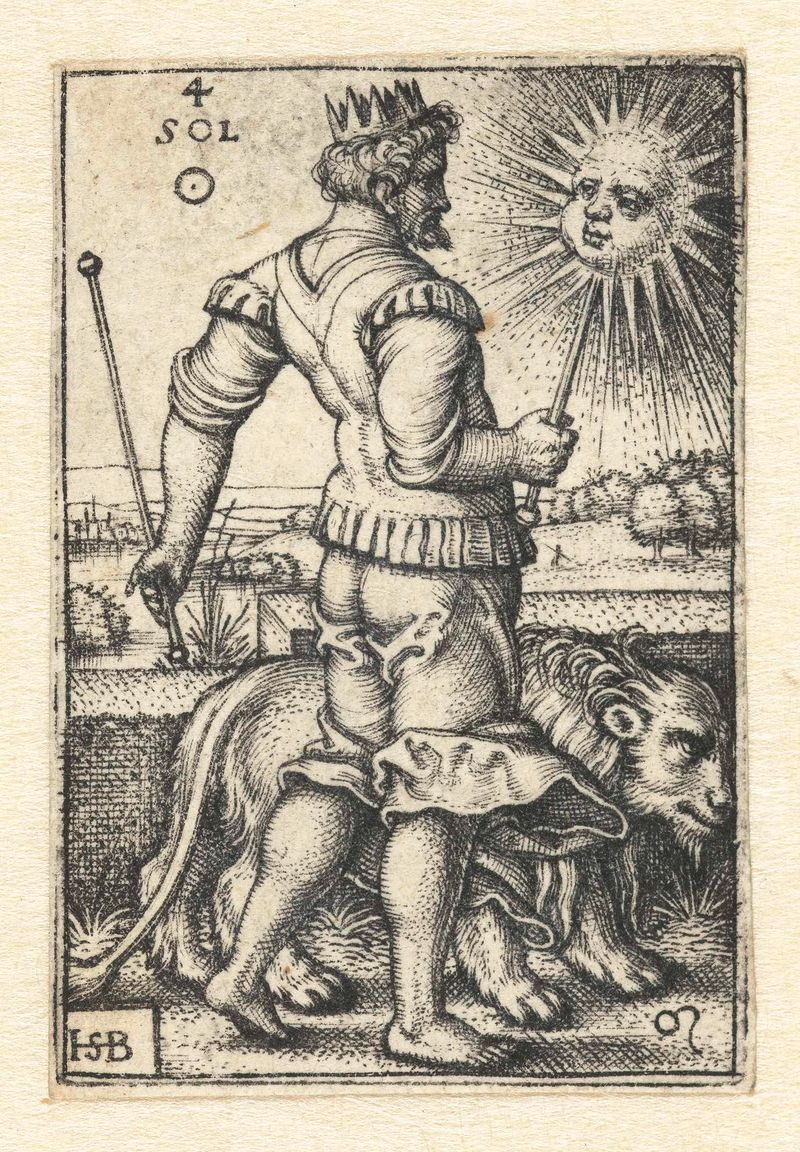
Apollo (Sol) met sterrenbeeld Leeuw
Hans Sebald Beham
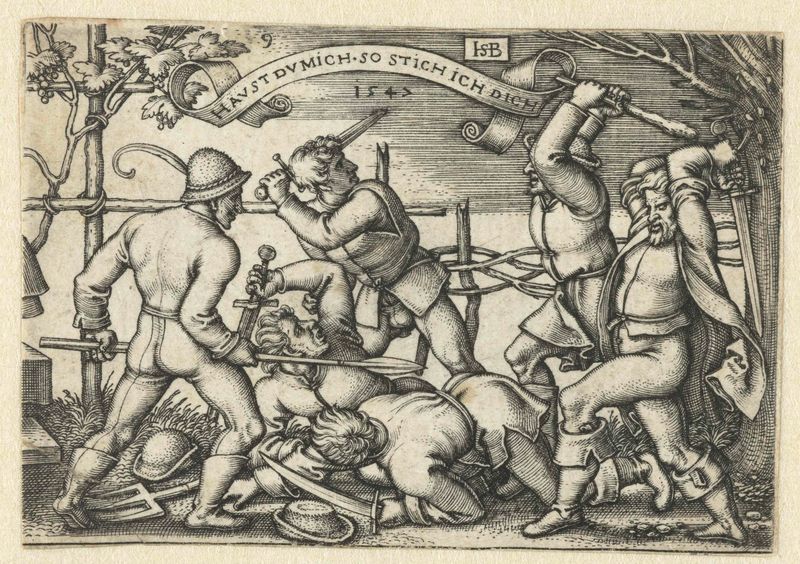
Vechtende boeren met zwaarden
Hans Sebald Beham
Hercules in gevecht met centaurs
Hans Sebald Beham





