Slavic sacred site — History & Facts
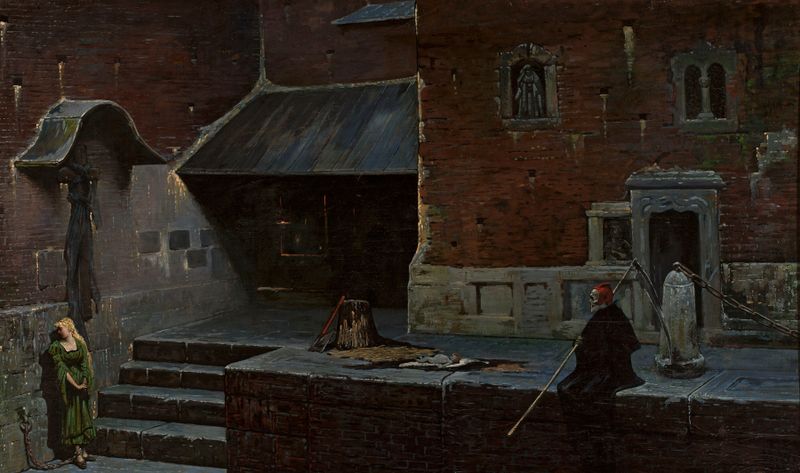
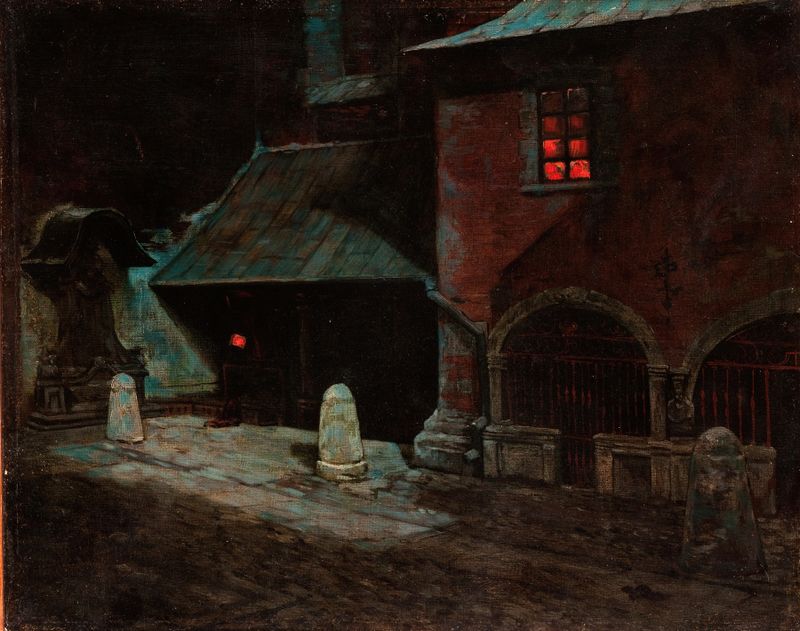
What if beauty was never meant to be finished? The unyielding chaos of creation and the madness of the sacred intertwine in a harmonious dance, inviting us to explore depths beyond the surface. Look to the foreground, where striking forms emerge from a tumultuous background. The color palette shifts from deep, earthen tones to vibrant flashes of gold and azure, creating a sense of transcendence within the chaos. Notice how the heavy brushstrokes evoke a raw energy, drawing the eye into the intricate details of the sacred site with its abstract architecture, where each turn and twist appears to defy gravity.
The interplay of light and shadows casts a mystical aura, urging the viewer to linger on the contrasts that embody both struggle and reverence. Delve deeper into the swirling layers, where hints of figures can be perceived, perhaps representing the lost souls or deities that once inhabited this sacred space. The tension between the organic and the constructed speaks to a yearning for connection and understanding, blurring the lines between the material and the spiritual. Here, beauty is not an endpoint but an ongoing journey, with madness woven into the fabric of existence—capturing both the fragility and the relentless strength of life. Marian Wawrzeniecki created this work during an era marked by artistic exploration and a surge of interest in the spiritual and the ethereal.
Although the exact date of this piece remains unknown, this period saw many artists grappling with the complexities of modernity and the search for meaning. Wawrzeniecki's work reflects a profound engagement with themes of place and identity, mirroring the societal currents of his time while diving into personal and collective madness.