Finale — History & Facts
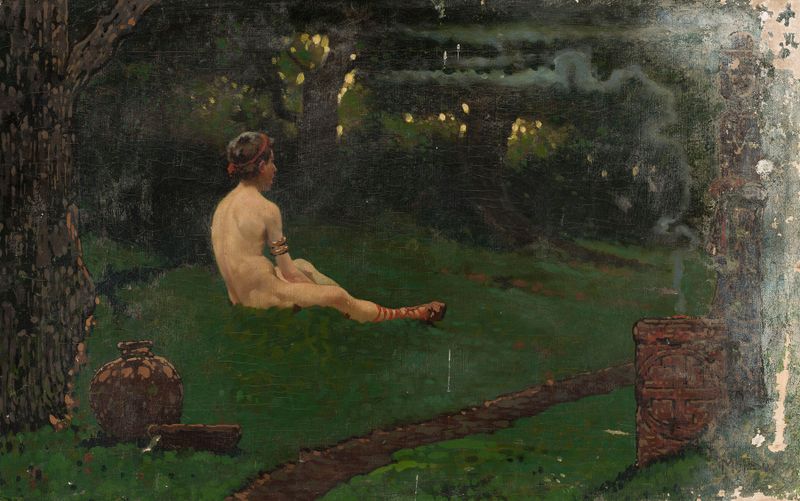
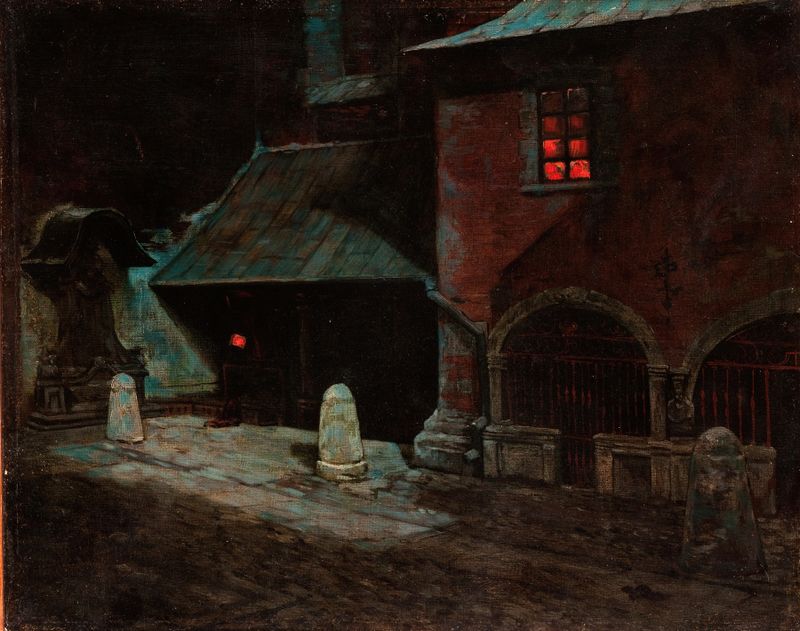
In Finale, the essence of longing pulses through the canvas, a visual elegy that echoes the ache of moments lost. It serves as a poignant reminder of the emotions that linger long after the moment has passed. Look to the center of the piece, where a solitary figure stands poised, surrounded by a swirling mass of color that suggests movement and transition. The dynamic strokes of rich reds and deep blues create an atmosphere thick with emotion, while soft highlights illuminate the edges of the figure, leading the eye to its contemplative expression.
Notice the way shadows dance around the edges, revealing the tension between presence and absence, as if the figure is on the brink of departing, or perhaps already lost in thought. This artwork holds layers of meaning; the contrast between the vivid colors and the muted tones symbolizes the heart's struggle between joy and sorrow. The figure, caught in a moment of introspection, embodies the universal experience of yearning for something just out of reach. The flowing brushstrokes not only capture the dynamic energy of the scene but also evoke a sense of nostalgia, inviting the viewer to reflect on their own bittersweet memories. Created in 1895, during a period of significant artistic transition, Wawrzeniecki was part of a burgeoning movement that sought to express deeper human emotions through innovative techniques.
His work during this time was marked by a growing interest in emotional expression, reflecting both his personal struggles and the societal changes surrounding him. The piece captures this essence, standing as a testament to both his artistic vision and the universal themes of longing that resonate across time.