Snow at Tsukahara, Sado Island, 1271 — History & Facts
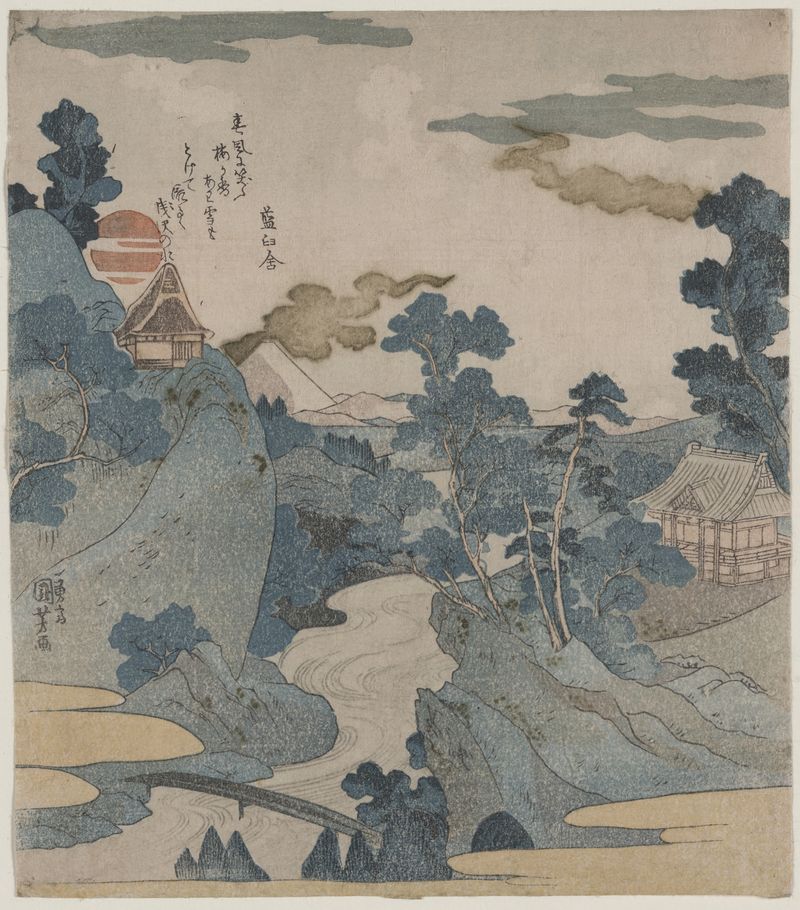
In the striking calm of Snow at Tsukahara, Sado Island, the viewer confronts a serene yet poignant landscape that speaks to the delicate tension between tranquility and turmoil. Look to the foreground, where muted tones of gray and soft whites form a blanket of snow, enveloping the scene in a hushed embrace. Notice the intricate details of the trees, their dark branches bowing under the weight of winter’s touch, each line a testament to the artist's meticulous technique. The subtle interplay of light, especially how it glimmers on the snow, suggests both warmth and chill—a visual embodiment of the balance found within nature's cycles. As the eye moves deeper into the composition, the layering of mountains in the background creates a stark contrast between the tranquil foreground and the rugged, imposing peaks.
This duality mirrors the emotional landscape of existence; the beauty of the idyllic scene is undercut by the knowledge of nature’s indifference. The gold accents in the sky serve as a reminder of fleeting moments of joy amidst the hardships that life invariably brings. Created in 1835, the work emerged during a significant period in Japanese art history, as the ukiyo-e movement was flourishing. Utagawa Kuniyoshi, known for his dynamic imagery and evocative storytelling, was influenced by the shifting socio-political landscape of Japan, marking a time when traditional and modern elements began to intertwine.
This piece encapsulates not only the artist's mastery but also the broader cultural currents of his time.