
Snow, Boulevard de Clichy, Paris — History & Facts
In a world often clad in vibrant hues and boisterous sounds, moments of stillness can echo the loudest of emotions. Loss lingers in the air, waiting to be acknowledged, as if time itself has paused to mourn what once was. Look to the foreground at the delicate play of white snowflakes blanketing the cobblestone streets, their soft edges juxtaposed against the solid forms of the buildings looming in the background. The artist employs a nuanced palette of blues and grays, each stroke reflecting both the chill of winter and a haunting melancholy.
Observe how the figures—wrapped in heavy coats—move with a purposeful detachment, their bodies almost blending into the landscape, as if they too are caught in a reverie of remembrance. Beneath the tranquil surface lies a profound tension between the fleeting nature of beauty and the inevitable passage of time. The stark contrast between the pristine snow and the darkened buildings speaks to the coexistence of hope and despair. Each blurred figure evokes an ephemeral connection, suggesting that even in life’s quietest moments, we grapple with the ghosts of absence and longing. In 1886, Paul Signac painted this work amidst the rise of Impressionism, a movement that sought to capture modern life with an emphasis on light and color.
Living in Paris, he was influenced by both the bustling urban environment and the shifting dynamics of artistic expression. The moment he encapsulated on canvas reflects not only the charm of a winter’s day but also the undercurrents of change shaping the world around him—an intimate portrayal of a city grappling with its own identity.
More Artworks by Paul Signac
Browse all →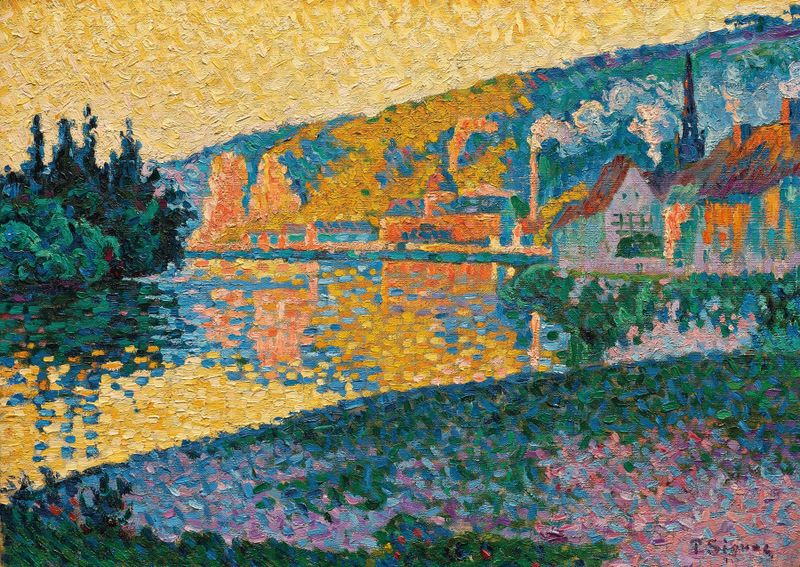
Les Andelys. Soleil couchant
Paul Signac
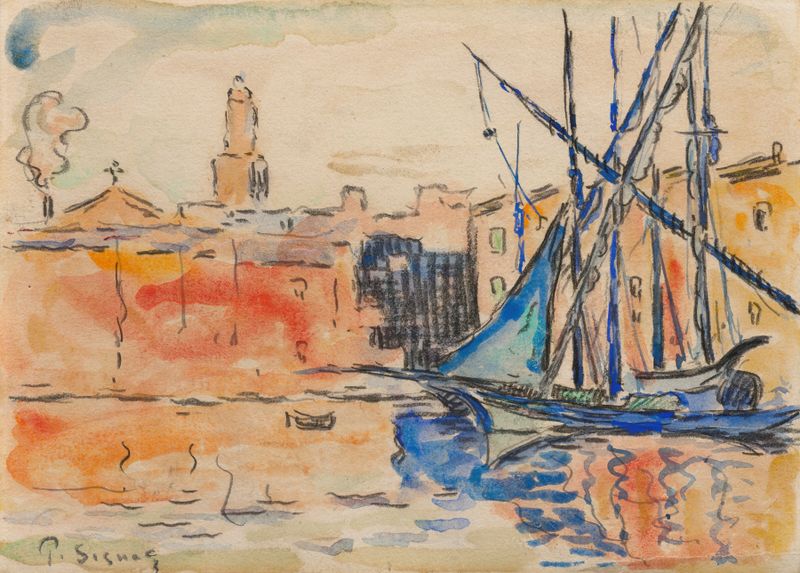
Saint-Tropez, le port
Paul Signac
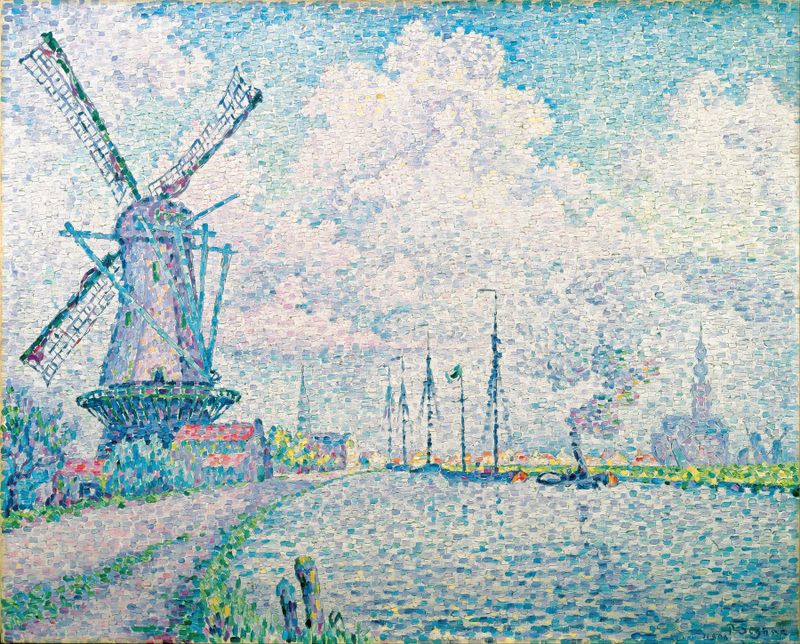
Canal of Overschie
Paul Signac
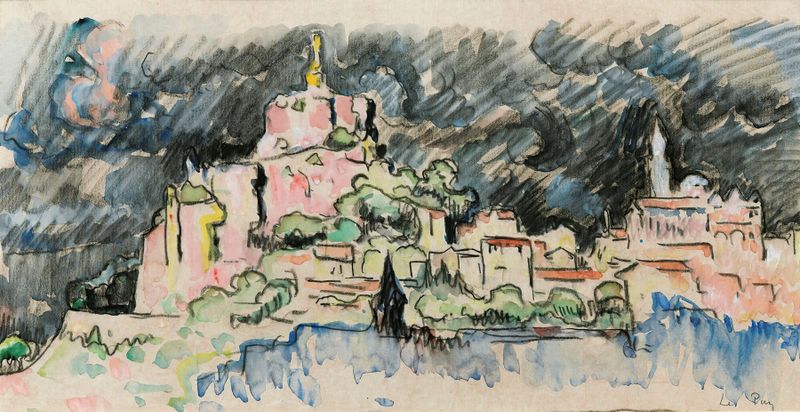
Le Puy-En-Velay, Ciel D’orage
Paul Signac
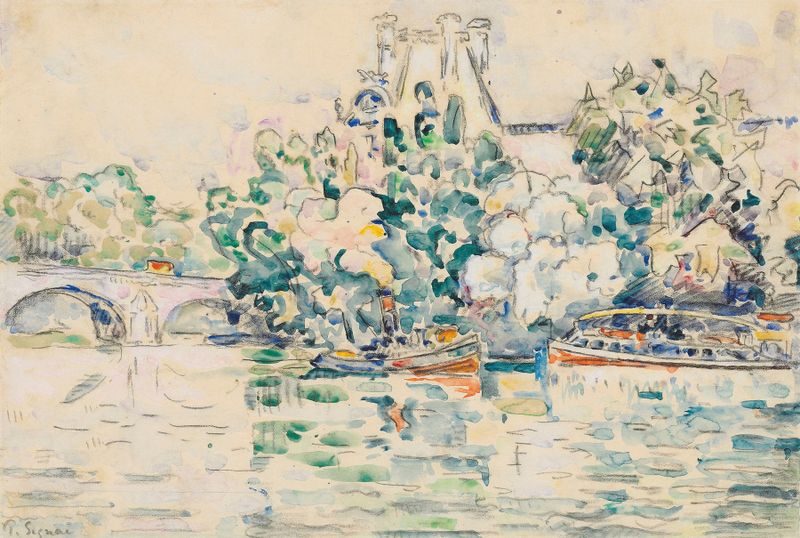
Paris, La Seine au Pont-Royal
Paul Signac
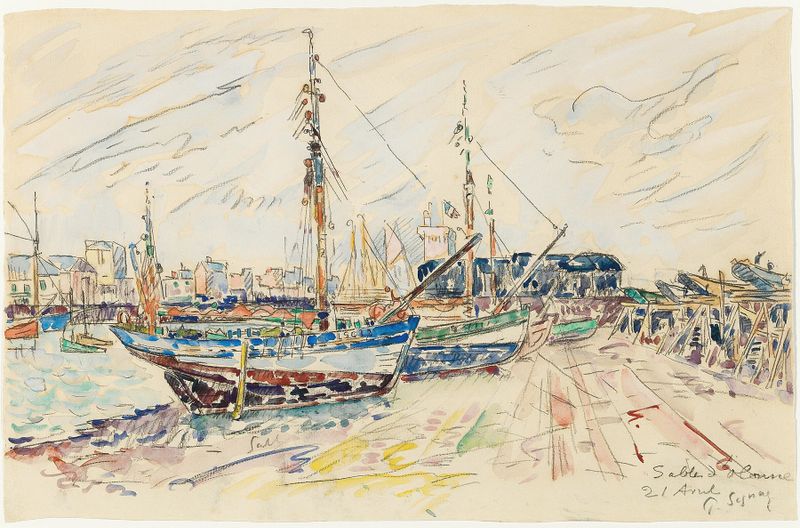
Sables d’Olonne
Paul Signac
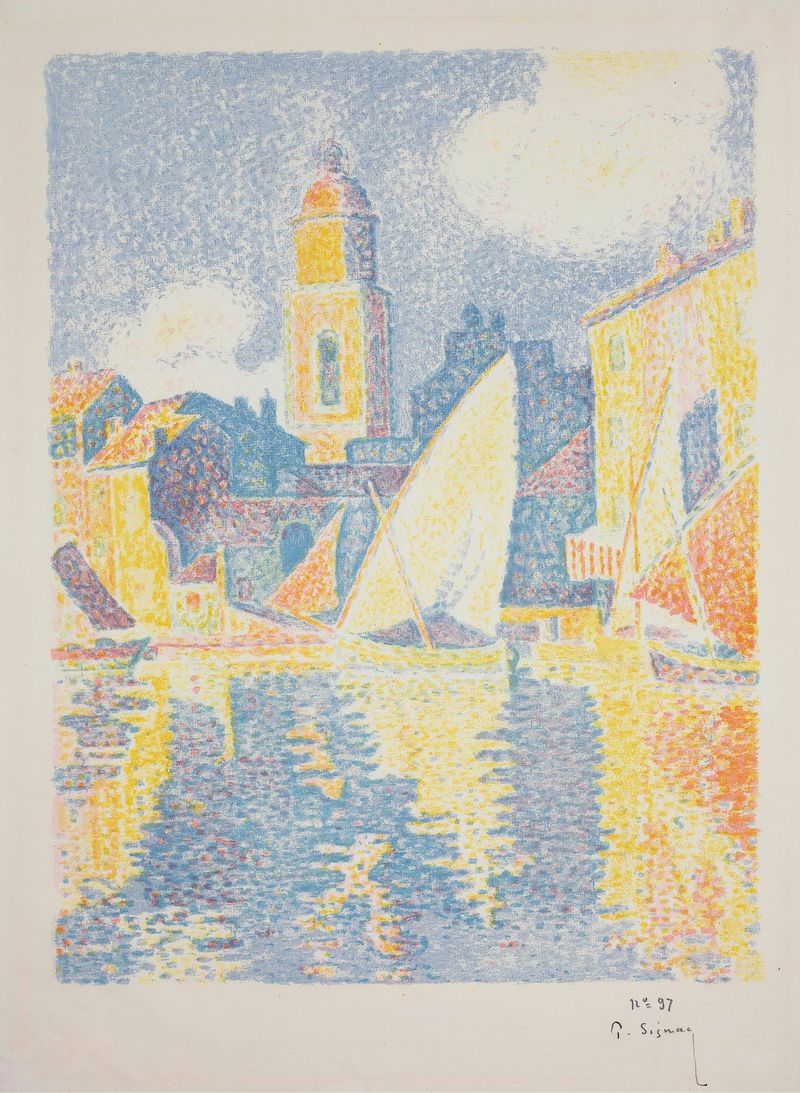
The Port of St. Tropez
Paul Signac
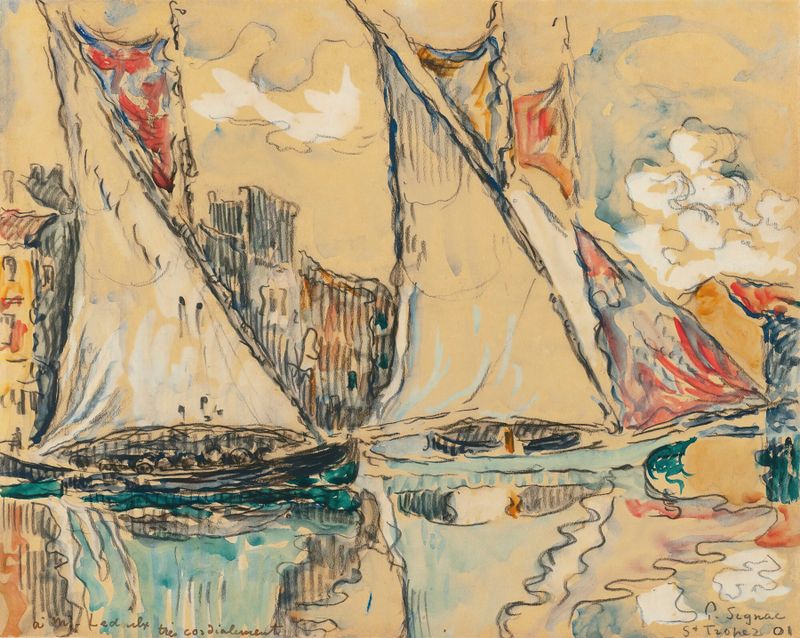
Saint-Tropez, Voiles Au Sec
Paul Signac
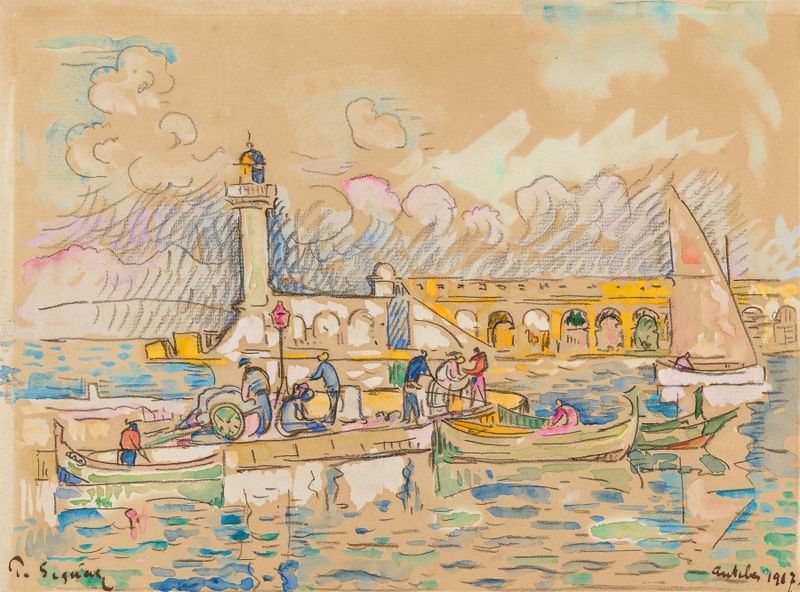
Antibes
Paul Signac

Saint-Tropez
Paul Signac





